In the ever-evolving technological landscape, mobile applications transform businesses, enhance user experiences, and drive innovation across various industries. Whether it's a sleek e-commerce platform, a robust productivity tool, or a captivating gaming experienhe demand for high-quality mobile apps remains relentless.
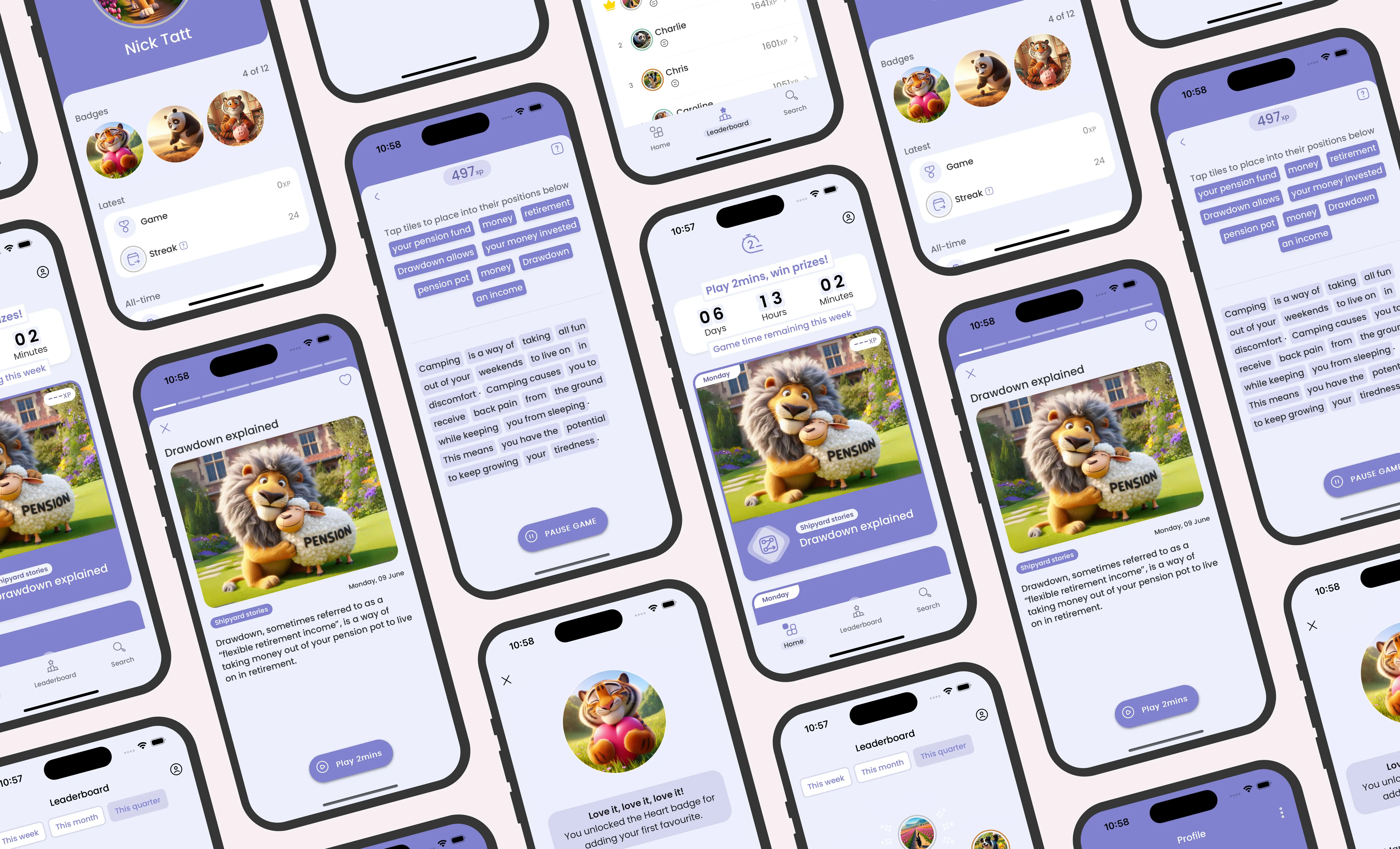
For the "2mins" gamified financial education app, we engineered a rapid-launch MVP that focused on high-engagement features within a controlled budget. This strategic approach allowed the client to validate their pedagogical model and secure further investment without the overhead of a fully-featured version 1. View the full case study: 2mins
However, one of the most common questions businesses and entrepreneurs encounter is: How much does it cost to design and build a mobile app in the United Kingdom in 2024?
Understanding the cost factors involved in app development is crucial for budget planning, resource allocation, and, ultimately, the project's success. While pinpointing an exact figure can be challenging due to the diverse nature of app requirements and the industry's dynamic nature, we can provide insights into the key factors influencing app development costs in the UK.
Scope and complexity: The scope and complexity of the app represent the cornerstone of cost estimation. A simple informational app with basic functionalities will naturally incur lower development costs than a feature-rich, multi-platform application requiring high-stakes mobile app engineering with complex integrations, advanced animations, and custom functionalities.
Platform: Another crucial factor influencing app development costs is the platform(s) choice. Developing a native app for iOS and Android platforms separately typically incurs higher expenses than opting for hybrid app development frameworks like React Native or Flutter, which allow for code sharing across multiple platforms, thereby reducing development time and costs.
Design requirements: Design plays a significant role in shaping the app's user experience and brand identity. Costs can vary based on the level of customization required, such as UI/UX design, graphic design, and animation effects. Factors like app icon design, branding elements, and compatibility with various screen sizes and resolutions contribute to overall design costs.
Backend infrastructure: The backend infrastructure of an app encompasses servers, databases, APIs, and other components necessary for data storage, retrieval, and communication between the app and external services. The complexity of backend requirements, such as scalability, security, and real-time capabilities, can significantly impact development costs.
Integration and third-party services: Integrating third-party services and APIs, such as payment gateways, social media platforms, mapping services, or analytics tools, add functionality to the app and incurs additional costs. Licensing fees, API usage charges, and customization efforts for seamless integration should be factored into the overall budget.
Testing and quality assurance: Ensuring the quality and reliability of the app through comprehensive testing is essential for delivering a seamless user experience. Testing efforts, including functional, performance, security, and compatibility testing across devices and operating systems, contribute to development costs but are indispensable for a successful app launch.
Post-launch support and maintenance: Beyond the initial development phase, ongoing support and maintenance are crucial for addressing bugs, implementing updates, and optimizing performance based on user feedback. Budgeting for post-launch support ensures the long-term sustainability and competitiveness of the app in the market.
Considering these factors, designing and building a mobile app in the UK in 2024 can range from several thousand pounds for more straightforward projects to hundreds or even millions for complex, enterprise-level applications.
For businesses looking to minimise initial investment while validating their app concept, an MVP (Minimum Viable Product) approach can significantly reduce costs. By focusing on core features first, you can test market demand before committing to a full-scale development. Our specialised mvp app development service helps businesses launch faster and more cost-effectively.
- Simple app: £5,000 - £10,000
- Medium complexity app: £20,000 - £40,000
- Complex app: £50,000 - £100,000
- High-end app: £150,000+
It's important to note that these figures are approximate and can vary based on factors unique to each project, such as specific requirements, desired quality standards. Engaging with experienced app development agencies or freelancers, conducting thorough project planning, and clearly defining requirements can help obtain accurate cost estimates and ensure a successful app development journey.
While the costs of app design and development in the UK in 2024 can vary significantly based on project specifications and requirements, understanding the above critical cost factors can empower businesses and entrepreneurs to make informed decisions, allocate resources efficiently, and confidently embark on their app development endeavours. We're here at Tinderhouse to help guide you through the options, so get in touch to find out how much your app might cost in 2024.
Need an app or website?
Get in touch to discuss how we can help create an app of your own or find out how our Fractional Product Team can support your development journey from MVP through to scale.