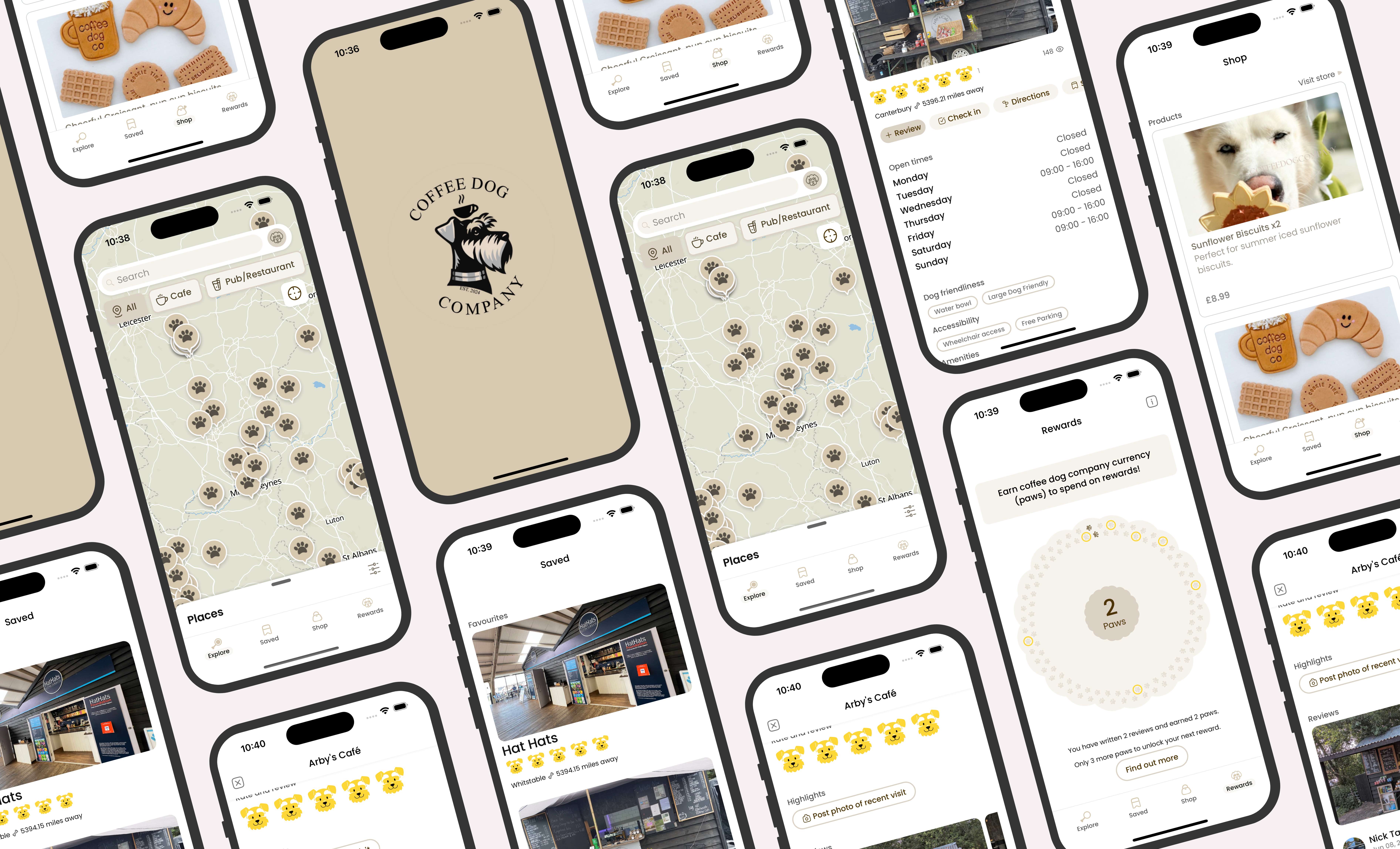
High-performance mobile applications built for the diverse and evolving Android ecosystem
Our Android app development services help UK businesses turn complex requirements into high-performance mobile products. With over 20 years of experience in mobile and web development, we focus on creating secure, scalable applications that work across the vast range of modern Android devices. We prioritise technical excellence and user-centric design to ensure your product delivers measurable business value from day one.
Success on Android requires more than just code. It demands a deep understanding of how users interact with a diverse range of hardware, ensuring the experience remains consistent regardless of the device.
Our app and website design and development areas of expertise
AI integration specialists
Web service connections
Back-end database integration
Innovative UX/UI design
Our app and website solutions are helping businesses grow, be more efficient and sell more. Let's talk about your project. Call us on +44 (0)1227 811771 or send us an email.
Why Android App Development Matters in 2026
Android remains the most widely used mobile operating system globally. For UK founders and product leads, android app development is a strategic necessity to reach a comprehensive audience. As of 2026, the platform has matured significantly, offering sophisticated tools for building deeply integrated business solutions.
The platform provides a level of flexibility that is often required for specialised hardware integrations or custom security protocols. We have seen this first-hand with projects like the Verenigma app, which uses voice recording analysis to monitor stress and anxiety. For such sensitive health data, the Android environment allows for robust encryption and precise control over system resources.
Choosing to invest in professional development ensures your application is not just a port of an iOS app, but a native experience. This involves adhering to Material Design, which is Google's specific language for visual and interactive design. Proper implementation ensures your users feel at home within the interface, reducing friction and increasing long-term engagement.
What is Android App Development?
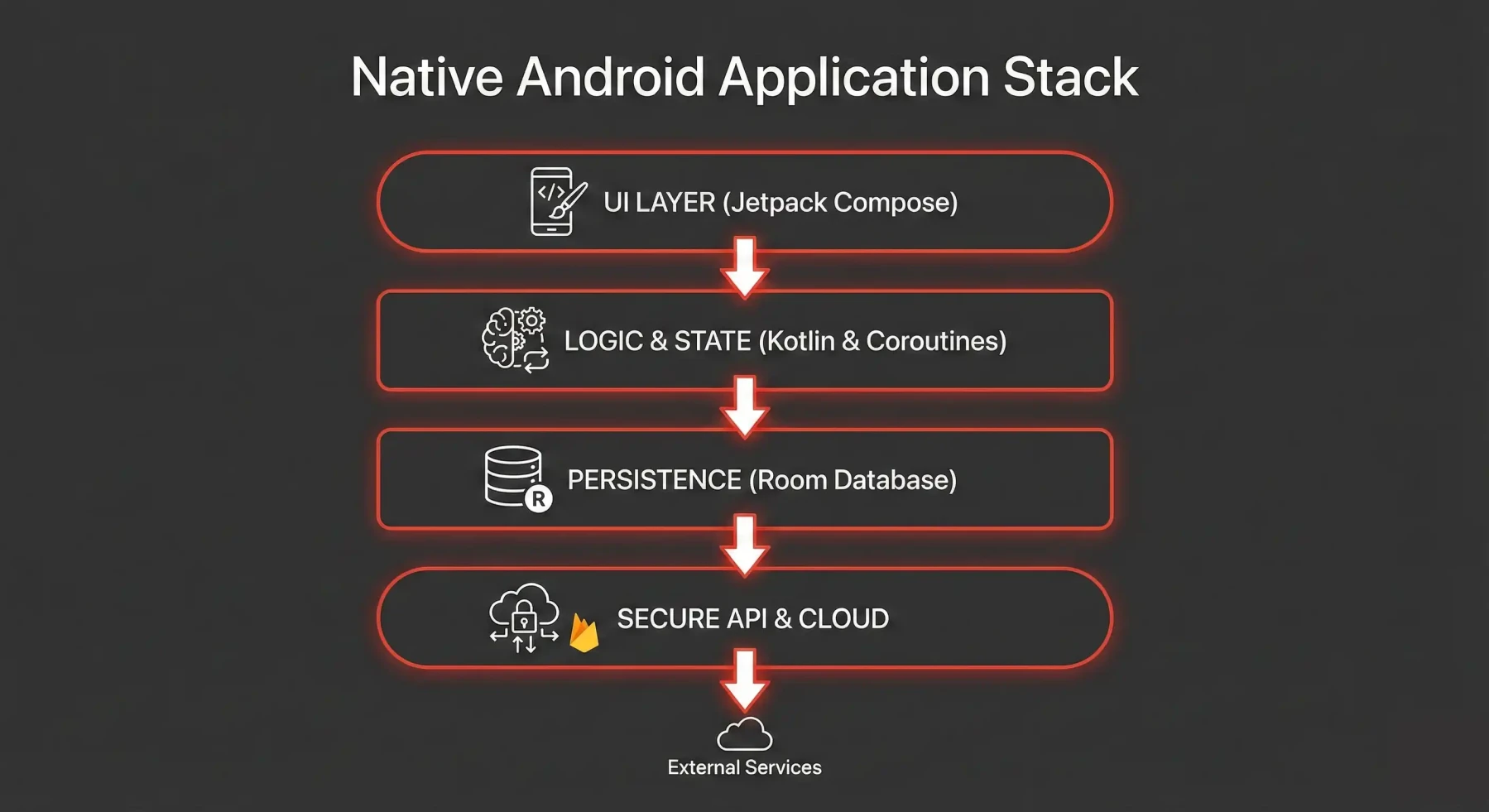
Engineering for Scalability: Our Android architecture prioritises modern declarative UI and robust background processing to ensure high performance across the diverse device ecosystem.
Android app development is the process of creating software specifically for devices running the Android operating system. Unlike "cross-platform" approaches that use a single codebase for multiple systems, we focus on native development. This means writing code specifically for the Android platform to achieve the highest possible performance and reliability.
A common comparison is Native vs. Hybrid development. While hybrid apps can be faster to deploy initially, native Android apps provide better access to device hardware and smoother animations. We utilise Kotlin, the modern, statically typed programming language that Google recommends for Android. Using Kotlin allows us to write more concise, safer code, which ultimately reduces the likelihood of app crashes.
To ensure the app remains maintainable, we implement Jetpack Compose. This is Android's modern toolkit for building native user interfaces. It simplifies UI development by using a declarative approach, meaning we describe what the UI should look like for a given state, and the system handles the updates. This reduces technical debt, which is the long-term cost of taking shortcuts in code quality.
Android Development in the Age of Agentic AI
"Modern Android applications are evolving from static tools into proactive partners. We specialise in integrating Agentic AI and on-device machine learning directly into the Android ecosystem. By utilizing Kotlin-first architectures, we enable apps to execute complex reasoning tasks and autonomous workflows while maintaining the strict data sovereignty required by UK enterprises."
Why Businesses Choose Android App Development
Organisations choose Android when they require reach, flexibility, and deep integration. Because the Android ecosystem spans everything from budget-friendly handsets to high-end tablets and wearables, it allows businesses to target specific demographics or equip a diverse workforce.
Market Penetration: Android allows you to reach a global user base exceeding one billion people.
Hardware Integration: The platform excels at communicating with external sensors, Bluetooth devices, and custom hardware.
Customisation: Android offers more freedom for "under-the-hood" customisations that enterprise tools often require.
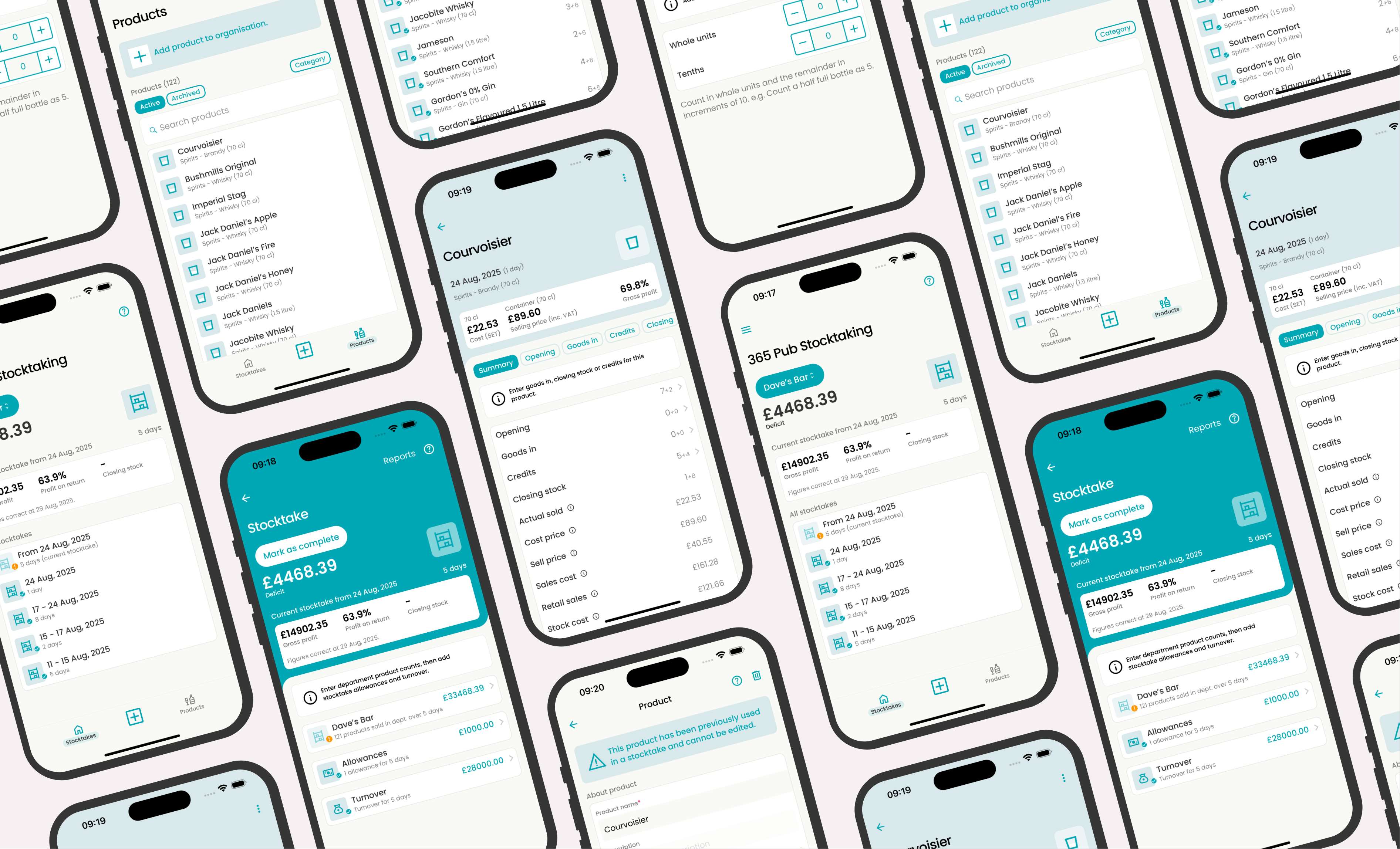
We applied these benefits when developing a field worker app for a client focused on health and safety compliance. By leveraging Android's robust background processing, we ensured that safety data was synced even in areas with poor connectivity. This streamlined the compliance process and reduced manual reporting errors for the entire organisation.
The Android App Development Process
Our process is designed to move from concept to deployment with clarity and technical rigour. We follow Agile methodology. These are short development cycles that let us adapt as you learn about your users and their needs. Our approach to every project is built on a proven mvp app development framework, where we use a rigorous technical discovery phase to turn complex ideas into high performance, market ready applications.
Discovery and Architecture
We begin by defining the technical requirements and the API-first architecture. This involves designing the data layer before the interface. By doing this, we ensure your mobile app and any future web dashboards speak the same language. We also plan for scalability, the ability of the system to handle a growing amount of work or users without losing performance.
UI/UX Design and Prototyping
Design for Android follows Material Design principles. We create high-fidelity prototypes to test user flows before a single line of production code is written. This stage is critical for our healthcare app development projects, where clarity of information can impact patient outcomes.
Native Development
Our engineers write the core logic using Kotlin. During this phase, we integrate RESTful APIs (standardised ways for the app to talk to a server) to ensure data moves securely and efficiently. We also implement role-based access control if the app requires different levels of permission for different users, a feature we utilised heavily for the Hansard Society web portal.
Testing and Quality Assurance
Testing is not a final step; it is continuous. We use CI/CD pipelines, which are automated testing and deployment systems. These catch bugs early and allow us to release updates safely. We often use TestFlight or Google Play beta testing to gather real-world feedback before a full public launch.
Common Mistakes in Android Development
In our 20 years of experience, we have seen several recurring pitfalls that can derail a project. Being aware of these early can save significant time and budget.
One major mistake is ignoring device fragmentation. This is the challenge of ensuring an app works on thousands of different device models and screen sizes. Without a clear strategy for testing across various hardware, apps often fail for a large portion of the target audience.
Another error is accumulating too much technical debt. This is the long-term cost of shortcuts. While a "quick fix" might help you hit a deadline, it creates maintenance work later. We manage this by documenting trade-offs and planning regular intervals to address code quality. This approach was vital for My Lost Account, a banking portal used daily by every major bank in the UK, where stability and security are non-negotiable.
Lastly, many developers fail to optimise for battery and data usage. Android users are sensitive to apps that drain their battery or consume excessive mobile data. We use efficient data polling and background task management to ensure your app remains a "good citizen" on the user's device.
Cost and Timeline for Android Projects
The cost of bespoke app development is influenced by three primary factors: functional complexity, the number of integrations required, and the level of security compliance needed. A simple MVP might be ready for testing in 8 weeks, whereas a complex enterprise system can take several months.
For example, our MVP financial education app was launched within 8 weeks to validate the core product idea quickly. In contrast, the NHS app for new mothers required a longer timeline due to the rigorous educational content and accessibility requirements. We provide realistic ranges based on your specific requirements rather than "one-size-fits-all" pricing.
Ongoing support is provided across all projects to ensure the app remains compatible with new Android OS releases. This long-term view helps protect your initial investment and ensures the software does not become obsolete as Google updates its platform.
Is Android App Development Right For You?
Android app development works well if you:
Need to reach a broad, global audience across various device types.
Require deep integration with device hardware or third-party peripherals.
Are building an enterprise tool for a workforce using diverse handsets.
This may not be right if:
Your target audience is exclusively using iOS devices (in which case, see our iOS development).
You have a extremely limited budget that only allows for a very basic web-based presence.
How Tinderhouse Works
Based at the Innovation Centre in Canterbury and in London, we operate as a conversational peer to your internal technical teams. We are a mobile app company with a focus on practical, high-quality execution. Our team consists of senior developers who speak directly to our clients. We do not use account managers as layers of separation; you talk to the people building your product.
We utilise microservices where appropriate. This is an architectural style that structures an application as a collection of small, independent services. This makes the system easier to maintain and scale over time. We also emphasise data encryption, ensuring that all sensitive user information is protected both at rest and during transmission.
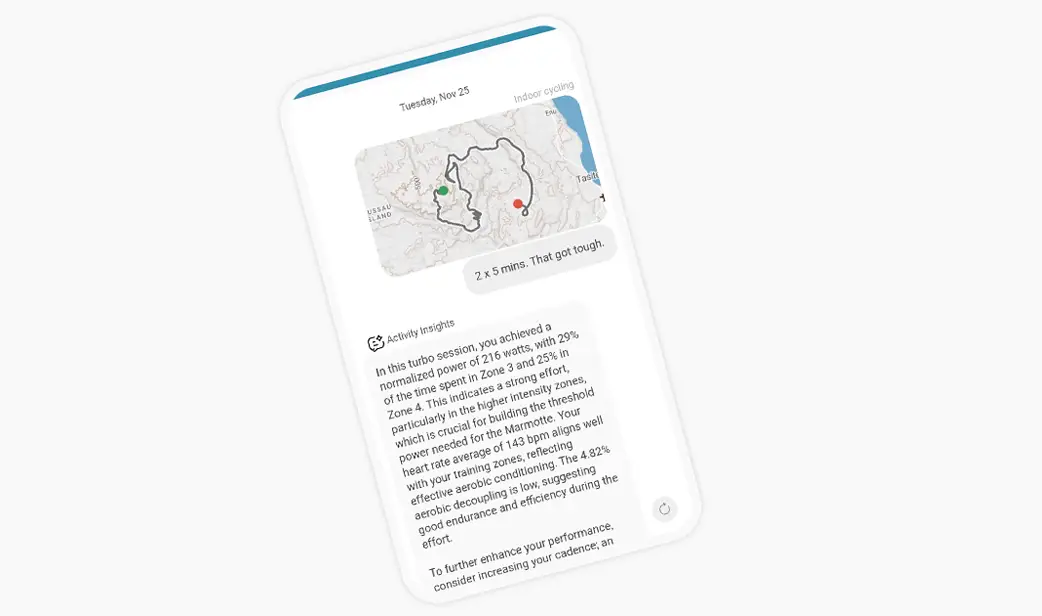
Our work on Map My Tracks, which ranked #1 in the App Store Fitness category with over 1 million users, demonstrates our ability to handle massive scale. We apply the same level of technical rigour to every project, whether it is a PWA for a property company or a complex banking portal.
Ready to Discuss Your Project?
We've helped businesses across the UK turn technical challenges into working solutions. Whether you're at the planning stage or ready to start development, we're here to provide honest advice and clear guidance.
Call us on +44 (0)1227 811771 to discuss your project, or send us an email using our contact form.
Build, test, and validate your product idea in weeks, not months
Explore more →
Frequently asked questions
Everything you need to know about working with Tinderhouse, from costs and timelines to our process and expertise.
We were commissioned by BSkyB (Sky Corporation) to serve as Official Technology Partner to Team Sky from 2010-2015, delivering GPS tracking solutions for professional riders and building the official fan app with live pro rider tracking. This five-year engagement demonstrated our capability to deliver both professional-grade systems and consumer applications at scale for a major broadcasting and media corporation.
We use responsive design principles and Android's native layout tools to ensure the UI adapts. By following Material Design guidelines and testing on a wide range of physical devices and emulators, we ensure the experience is consistent. This is a core part of our progressive web app development and native projects alike.
Google now prioritises Kotlin, and so do we. It is more concise and reduces common programming errors like null pointer exceptions. While we can maintain legacy Java code, we recommend Kotlin for all new SaaS development and mobile projects for better long-term stability.
Yes. We manage the entire submission process, ensuring your app meets all of Google's latest policy requirements. We also assist with setting up Google Play beta testing to gather user feedback before the official launch, ensuring a smoother release.
Security is integrated from the start. We use role-based access control (restricting system access to authorised users) and ensure all data is handled via encrypted connections. Our experience with the NHS and major UK banks means we understand the high stakes of data protection.
We provide ongoing support across all projects. Android updates its operating system annually, and we ensure your app stays compatible with these changes. This includes monitoring for bugs and ensuring that third-party APIs continue to function correctly as they evolve.
An MVP (Minimum Viable Product) focuses on the core features needed to satisfy early adopters and validate a business idea. We often build these in 8 weeks. A full app includes a more comprehensive feature set and deeper optimisations based on user data gathered during the MVP phase.
We always recommend beginning with a technical discovery phase. By focusing on mvp app development as the first milestone, we can validate your core features and architecture before committing to a full scale rollout. This lean methodology reduces risk and ensures your product is engineered to scale from day one.
Every project we launch comes with a 90-day post-launch warranty. At Tinderhouse, we believe execution doesn't end at 'Go-Live.' For the first three months after launch, our UK-based team handles any technical issues, bug fixes, or performance refinements within the original project budget. This ensures your software or AI system is fully stable in a real-world environment before transitioning to long-term support, protecting your investment and ensuring a seamless experience for your users.