Why Native App Development Matters in 2026
The gap between "good enough" and "excellent" mobile experiences is defined by responsiveness and deep system integration. Native app development involves writing code in languages specific to the operating system, such as Swift for iOS or Kotlin for Android. This ensures the application can communicate directly with the device hardware without an intermediary layer.
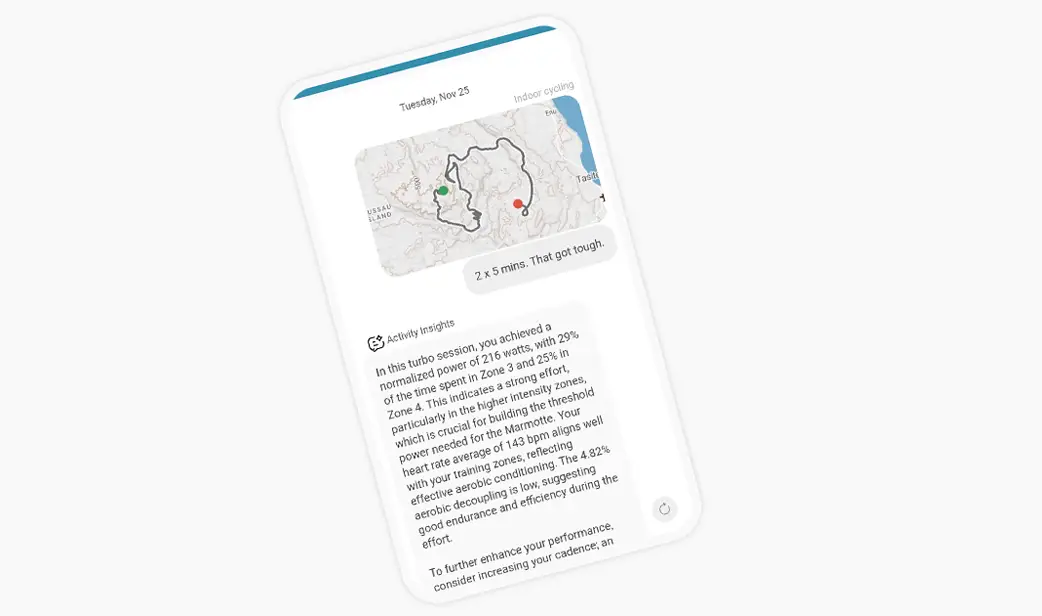
In our two decades of building digital products, we have seen that technical performance directly correlates with user retention. For example, our work on Map My Tracks, which reached the #1 spot in the App Store Fitness category, required the high-precision GPS tracking and background processing that only native development can reliably provide. By choosing a native approach, you avoid the lag and "uncanny valley" feel often associated with cross-platform frameworks.
What is Native App Development?
Native app development is the creation of software designed to run on a specific mobile operating system. Unlike hybrid or web-based apps, native apps are compiled into machine code that the device understands natively.
A common comparison is Native vs. Progressive Web Apps (PWAs). While we have successfully built PWAs for property companies to manage staff tasks, a native app is the superior choice for products requiring offline-first functionality or access to complex hardware like the accelerometer and Bluetooth.
We focus on two primary entities in this space:
- iOS development: Built using Swift or Objective-C, following Apple’s Human Interface Guidelines.
- Android development: Built using Kotlin or Java, adhering to Google’s Material Design standards.
Why Businesses Choose Native Solutions
Founders and technical leads often prioritise native development for three reasons: performance, security, and the user experience.
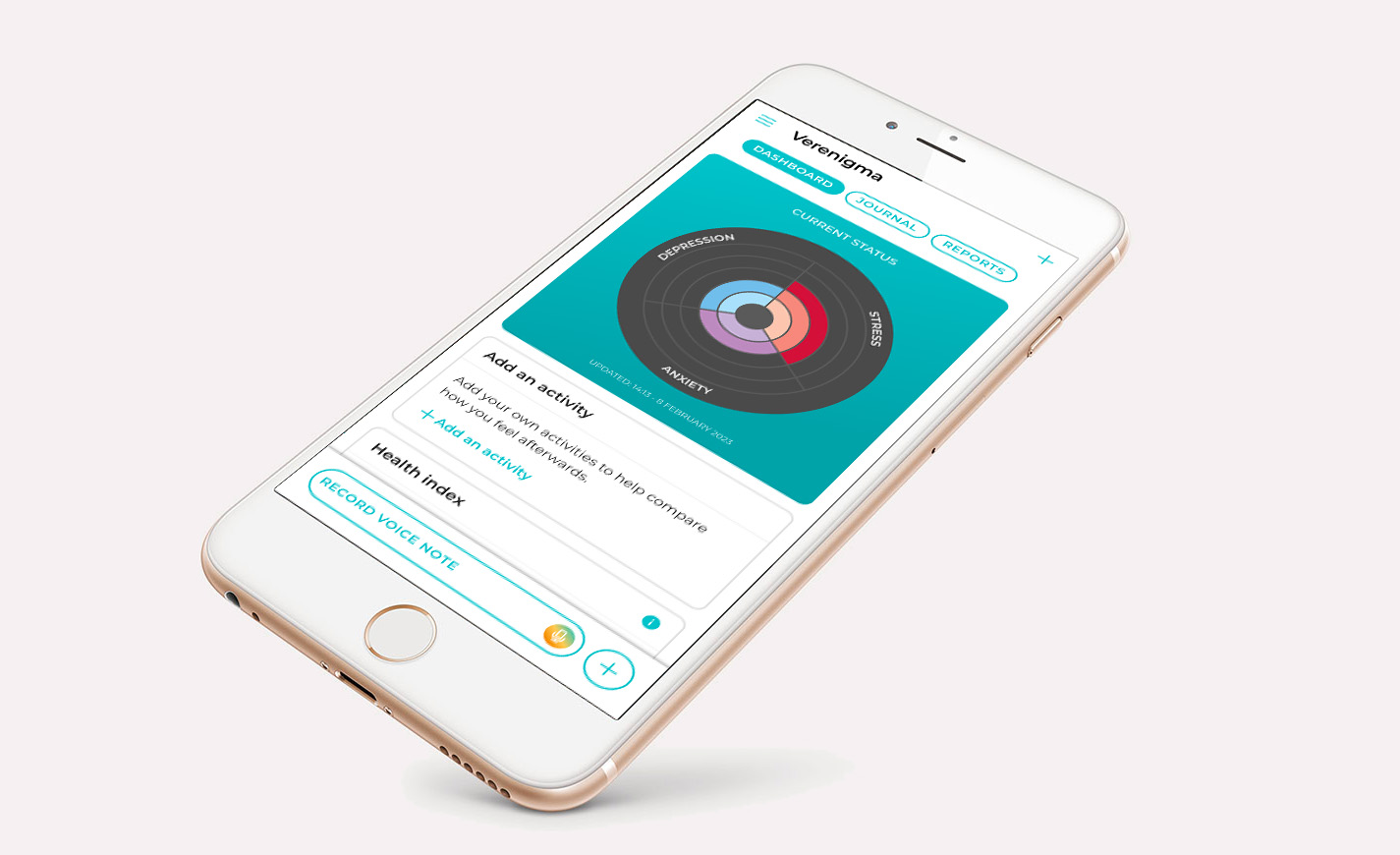
- Superior Performance: Because there is no abstraction layer, native apps are faster and more fluid. This was critical for the Verenigma app, where we analysed voice recordings for stress and anxiety. The processing power required for such analysis demands the efficiency of native code.
- Platform-Specific Features: Native development allows us to integrate the latest OS features, such as Apple HealthKit or Android’s advanced notification system, the moment they are released.
- Enhanced Security: Native environments provide more robust tools for data encryption (the process of encoding information so only authorised parties can read it). For our work on a banking portal used by every major UK bank, security was a non-negotiable requirement.
The Native App Development Process
Our process is designed to manage complexity while maintaining speed to market. Our approach to every project is built on a proven mvp app development framework, where we use a rigorous technical discovery phase to turn complex ideas into high performance, market ready applications.
Discovery and Technical Architecture
We begin by defining the technical architecture, which is the structural design of your software system. This includes choosing between iOS app development services or Android app development services based on your target audience.
Agile Development Sprints
We follow Agile methodology. These are short development cycles that let us adapt as you learn about your users. Within this, we use Scrum practices: two-week sprints with clear deliverables and regular check-ins.
Quality Assurance and Beta Testing
Before any release, we use TestFlight (Apple’s platform for beta testing) and the Google Play Console to distribute the app to a closed group of testers. This catches bugs in real-world environments before the public launch.
Deployment and Support
Launching the app is only the start. We provide ongoing support across all projects to ensure compatibility with new OS updates. For an NHS educational app we developed for new mothers, this ongoing reliability was essential for maintaining user trust.
Common Mistakes to Avoid
In our experience, many projects struggle because of avoidable technical and strategic errors.
- Underestimating Technical Debt: This is the long-term cost of taking shortcuts in code quality. If you rush a native build by ignoring platform-specific guidelines, you will face higher maintenance costs later.
- Feature Creep: Trying to launch with too many features often delays the MVP app development process. We recommend launching a focused product and iterating based on data.
- Ignoring Platform Differences: An iOS app should not look like an Android app. Users expect specific navigation patterns, such as the "back" button behaviour, which differs significantly between the two.
Cost and Timeline
The cost of native development is influenced by the number of platforms, the complexity of the API-first architecture, and the level of custom design required.
A typical project can take anywhere from three to nine months. For example, we launched a financial education app in just 8 weeks by focusing on core functionality, whereas a complex enterprise app development project for a global organisation will naturally take longer.
Is This Right For You?
Native app development works well if you require the highest possible performance, need access to specific device hardware, or are building a product where the user experience is a primary competitive advantage.
It may not be right if you have a very limited budget and only need a basic informational app that does not require deep system integration. In those cases, we might suggest progressive web app development as a more cost-effective alternative.
How Tinderhouse Works
We are mobile app development specialists based in Kent and London. Our approach is grounded in technical excellence and practical logic.
We use CI/CD pipelines (automated testing and deployment systems) that catch bugs early and let us release updates safely. This was instrumental in managing the Hansard Society web portal, where monitoring Parliamentary activity required frequent, stable updates.
We also prioritise API-first architecture, which involves designing the data layer before the interface. This means your native app and any future web dashboards all speak the same language from day one.