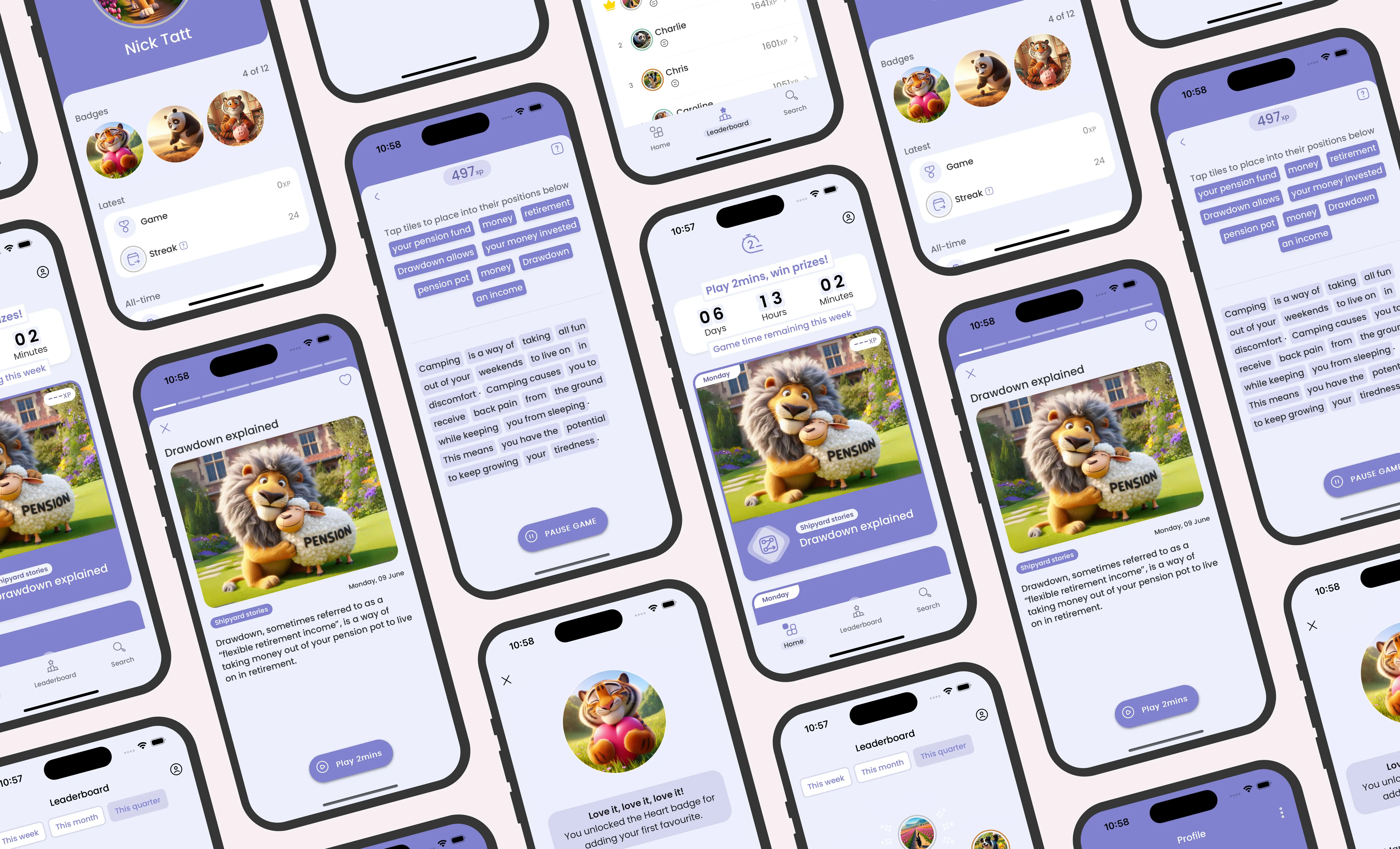
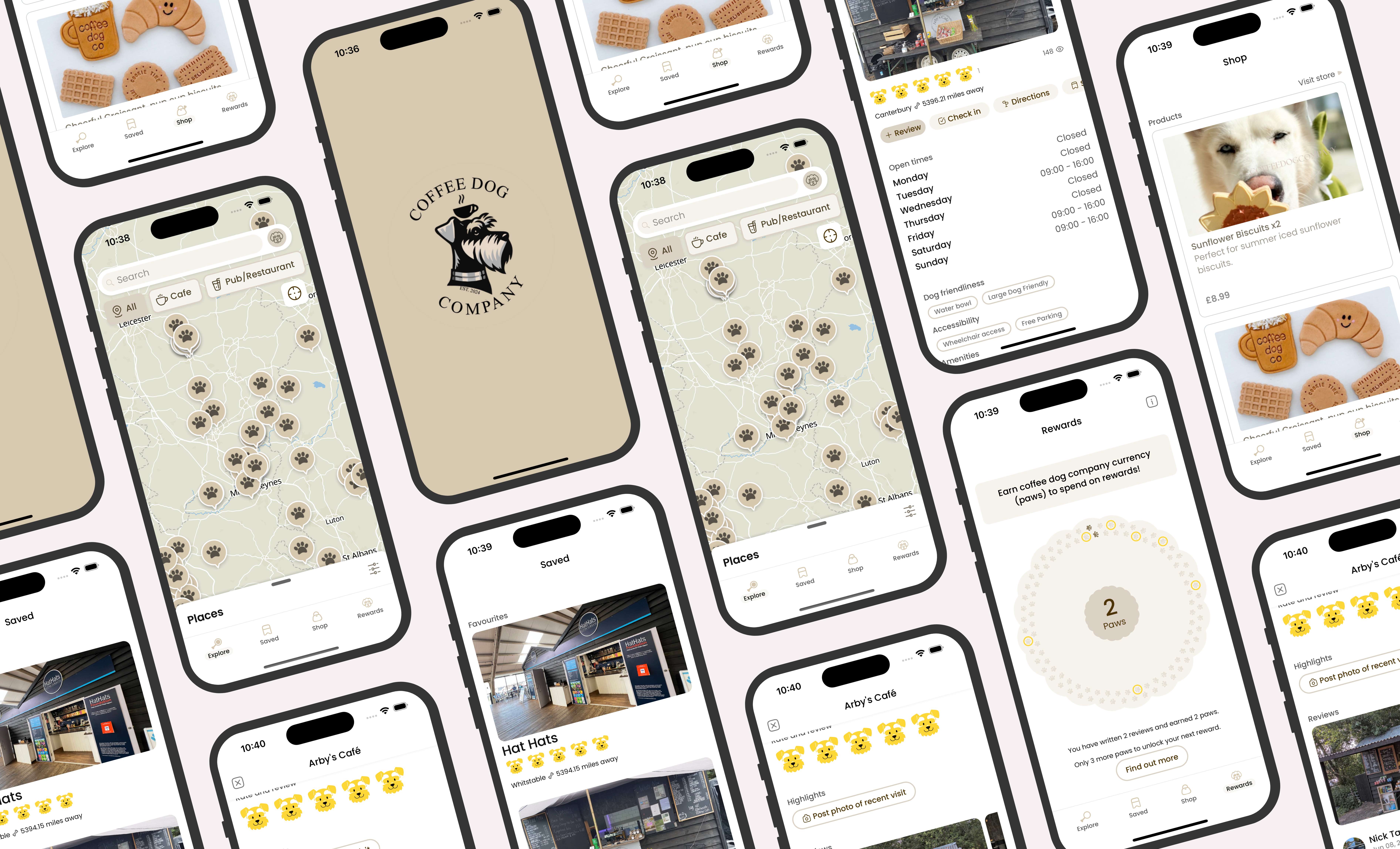
High-performance cross-platform applications built for speed, scalability, and cost-efficiency
Hybrid app development allows businesses to reach both iOS and Android users from a single codebase. At Tinderhouse, we combine web technologies with native capabilities to create applications that feel intuitive, perform reliably, and reduce long-term maintenance overhead. Our approach ensures your product remains flexible as your user base grows.
The value of a hybrid app isn't just in the lower initial cost. It is in the ability to iterate across all platforms simultaneously, ensuring your entire user base receives updates at the same time.
Our app and website design and development areas of expertise
AI integration specialists
Web service connections
Back-end database integration
Innovative UX/UI design
Our app and website solutions are helping businesses grow, be more efficient and sell more. Let's talk about your project. Call us on +44 (0)1227 811771 or send us an email.
Why Hybrid App Development Matters for Modern Business
Hybrid app development, the process of creating a single application that runs on multiple operating systems, has become the standard for companies seeking rapid market entry. By using a shared codebase (a single set of programming instructions used for different platforms), we help founders and product leads avoid the doubling of costs associated with building separate native apps.
In the current landscape, the gap between hybrid and native performance has narrowed significantly. We focus on creating products that leverage the best of both worlds. This means your app can access hardware features like the camera or GPS while benefiting from the speed of web-based deployment. Across our two decades of experience, we have found that this balance is often the most pragmatic choice for startups and established enterprises alike.
What is Hybrid App Development?
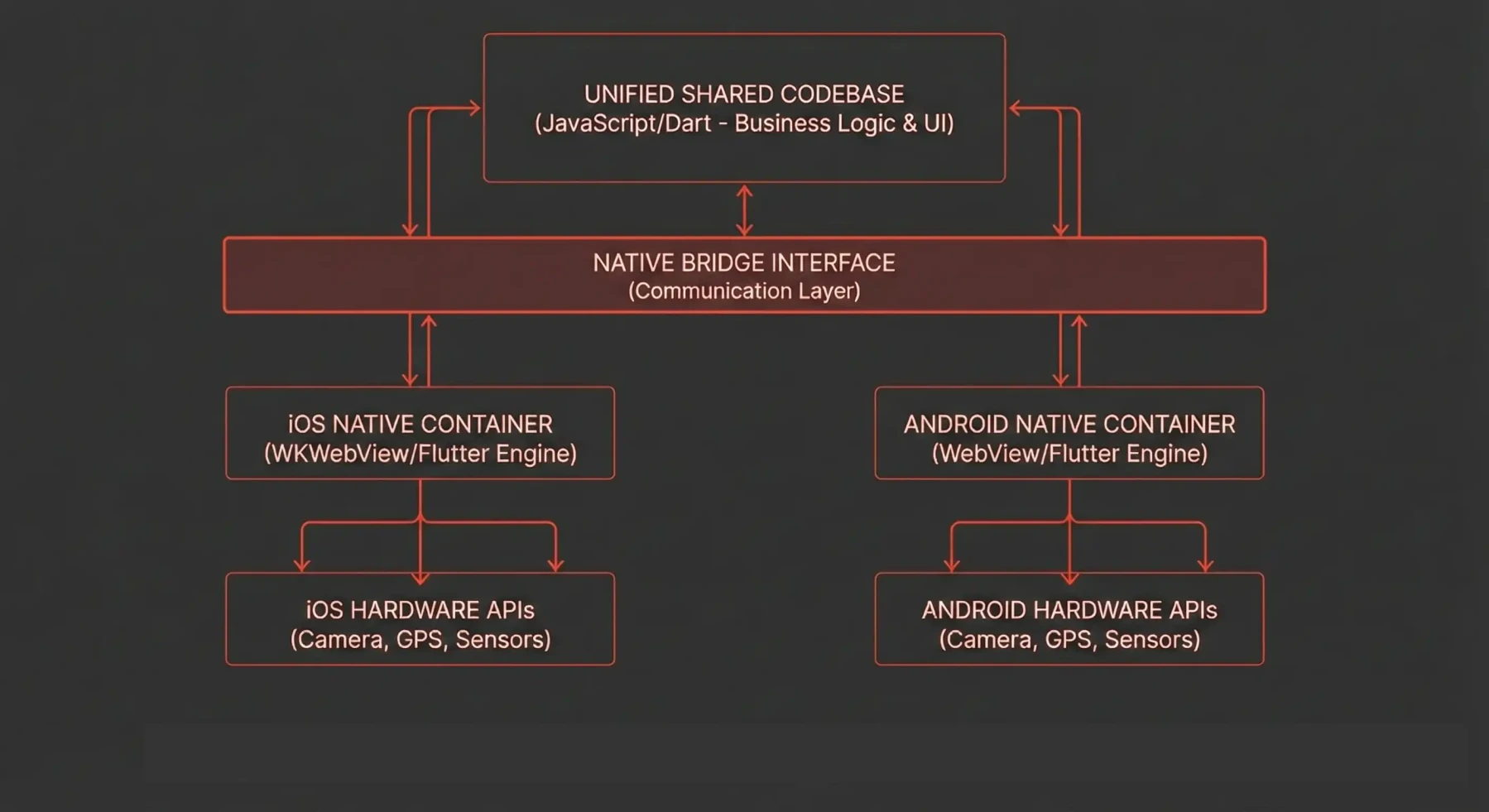
Code Efficiency & Performance: Our hybrid architecture utilises a unified logic layer that interfaces through high-performance native bridges, ensuring your app enjoys 95% code sharing while maintaining full access to iOS and Android device sensors.
Hybrid development is a methodology where we write code using web-standard languages, such as JavaScript or Dart, and wrap it in a native container. This allows the application to be installed via the App Store or Google Play Store just like any other app. It differs significantly from a mobile-optimised website, as it lives on the device and can access platform-specific features.
A common comparison our clients ask for is hybrid versus native development. While native apps are built specifically for one platform (like Swift for iOS), hybrid apps use a bridge architecture. This is a communication layer that allows the shared code to "talk" to the device's hardware. For most business applications, this bridge is so efficient that users cannot tell the difference between a hybrid and a native experience.
Why Businesses Choose the Hybrid Approach
The primary driver for choosing a hybrid model is efficiency. When you build once for two platforms, you significantly reduce your time-to-market (the period from initial concept to public launch). This was a critical factor for our work on a financial education app, which we successfully launched within an eight-week window.
Lower Maintenance Costs: Updates only need to be written once, reducing the labour required for long-term support.
Consistent User Experience: Features and logic remain identical across iOS and Android, preventing "feature parity" issues.
Unified Team: You only need one team of developers who understand the shared codebase, rather than two separate specialised teams.
The Hybrid App Development Process
Our process is designed to eliminate the risks often associated with cross-platform projects. We focus on architectural integrity to ensure your app is as performant as a native one. Our approach to every project is built on a proven mvp app development framework, where we use a rigorous technical discovery phase to turn complex ideas into high performance, market ready applications.
1. Discovery and Feature Prioritisation
We begin by identifying which features are critical for your MVP. We use a Lean Startup approach, focusing on the minimum viable product (the simplest version of your idea that solves a core problem) to validate your concept with real users quickly.
2. Architecture and Technical Design
During this stage, we define the API-first architecture. This means we design the data layer before the interface, ensuring that your mobile app, web dashboard, and any future integrations all speak the same language. We also plan for technical debt, the long-term cost of taking shortcuts, by documenting every architectural decision.
3. Iterative Development
We follow Agile methodology. These are short development cycles that let us adapt as you learn about your users. We use CI/CD pipelines (automated testing and deployment systems) that catch bugs early and allow us to release updates safely and frequently.
4. Native Integration and Testing
While the core logic is shared, we spend time on platform-specific optimisations. This includes testing on physical devices to ensure the webview components (the containers that display content) are responsive and fluid. Our work on the Verenigma app required deep integration with voice recording analysis, proving that hybrid apps can handle complex technical requirements.
Common Mistakes to Avoid
In our 20 years of experience, we have seen many projects struggle because they ignored the nuances of hybrid development.
One major pitfall is ignoring platform-specific UI patterns. Users on Android expect different navigation behaviours than those on iOS. A "one size fits all" design often feels alien to both. We avoid this by using framework-specific components that adapt their appearance based on the device.
Another mistake is failing to account for offline-first architecture. This is a design pattern that ensures the app remains functional even without an internet connection. If your app relies entirely on a live connection, it will feel sluggish and unreliable in areas with poor signal.
Finally, teams often overlook the accumulation of technical debt. This happens when developers use too many third-party plugins that eventually become deprecated. We mitigate this by writing custom bridges for core functionality whenever possible, ensuring your app remains maintainable for years to come.
Cost and Timeline Expectations
The cost of hybrid development is generally 30% to 40% lower than building two separate native apps. However, price is influenced by the complexity of integrations and the level of custom animation required.
A standard hybrid project typically ranges from 12 to 24 weeks. For example, our work on the Hansard Society web portal and its associated mobile features required careful planning to monitor Parliamentary activity in real-time, which influenced the timeline due to the complexity of the data feeds. We provide transparent timelines after the initial discovery phase, so you know exactly when to expect your launch.
Is This Right For You?
Hybrid development works well if you:
Need to launch on both iOS and Android simultaneously on a restricted budget.
Are building a content-heavy or data-driven application (like a SaaS platform).
Want to iterate quickly based on user feedback.
This may not be right if:
Your app requires extremely high-intensity 3D graphics or complex AR features.
You are building for only one platform and have no plans to expand.
We implement Hot Reloading, a development feature that allows us to see code changes in real-time without restarting the app. This speeds up the feedback loop during design reviews. Furthermore, our background as ExpressionEngine specialists since version 1 means we understand how to manage complex backend data structures that power your mobile experience. We have applied these rigorous standards to global products like Map My Tracks, which serves over 1 million users globally.
Ready to Discuss Your Project?
We've helped businesses across the UK turn technical challenges into working solutions. Whether you're at the planning stage or ready to start development, we're here to provide honest advice and clear guidance.
Call us on +44 (0)1227 811771 to discuss your project, or send us an email using our contact form.
Build autonomous AI agents that handle specific business tasks and integrate seamlessly with your systems
Explore more →
Frequently asked questions
Everything you need to know about working with Tinderhouse, from costs and timelines to our process and expertise.
The performance difference is negligible for 95% of business use cases. By using efficient bridge architecture (the layer connecting code to hardware), we ensure your app feels fast and responsive. We only recommend native development for high-intensity gaming or specialised heavy processing tasks.
Yes. We build with an offline-first architecture. This means the app stores essential data locally on the device, allowing users to continue working without a connection. This was essential for our work on a field worker app for health and safety compliance, where connectivity was often unreliable.
Hybrid apps go through the exact same approval process as native apps. We follow all platform-specific guidelines from Apple and Google to ensure a smooth submission. Because we have been doing this for 20 years, we know how to avoid the common reasons for rejection.
While you cannot simply "convert" the code, a well-structured hybrid app uses an API-first architecture. This means the backend and data logic you've built can be reused entirely if you ever decide to move to a native codebase, protecting a large portion of your initial investment.
We aim for "brand consistency" rather than "identically." We respect the design language of each platform, such as how buttons look or how menus slide, to ensure users feel at home, while keeping your brand's colours and typography consistent across both.
We always recommend beginning with a technical discovery phase. By focusing on mvp app development as the first milestone, we can validate your core features and architecture before committing to a full scale rollout. This lean methodology reduces risk and ensures your product is engineered to scale from day one.
Every project we launch comes with a 90-day post-launch warranty. At Tinderhouse, we believe execution doesn't end at 'Go-Live.' For the first three months after launch, our UK-based team handles any technical issues, bug fixes, or performance refinements within the original project budget. This ensures your software or AI system is fully stable in a real-world environment before transitioning to long-term support, protecting your investment and ensuring a seamless experience for your users.