Why Business App Development Matters in 2026
As of 2026, business app development has shifted from a luxury to a core operational requirement. Companies now require sophisticated tools to manage remote teams, automate data collection, and provide instant service to customers. In our two decades of experience, we have seen how custom software provides a competitive advantage that off-the-shelf solutions cannot match.
Custom applications allow for complete control over the user journey and data security. For example, our work on the My Lost Account banking portal required a highly secure, reliable interface used daily by every major bank in the UK. This level of integration and security is only possible through bespoke development tailored to specific regulatory and operational needs.
What is Business App Development?
Business app development is the process of creating custom software specifically designed to perform tasks for an organisation. This differs from consumer "lifestyle" apps because the focus is strictly on ROI, efficiency, and integration with existing systems.
When we discuss this service, we often distinguish between two paths:
- Internal Operations Apps: Tools like our field worker app which streamlined health and safety compliance for staff on-site.
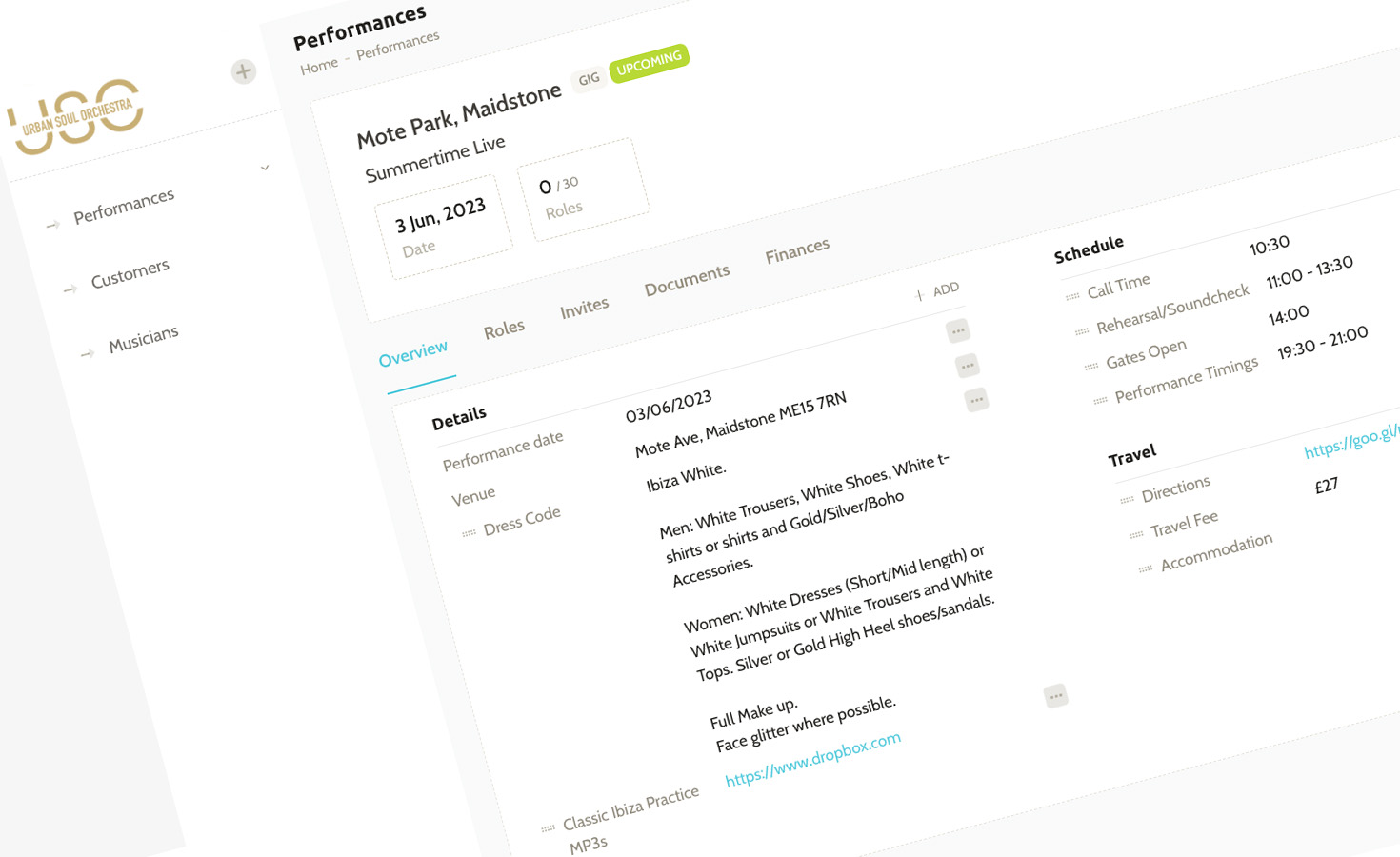
- Customer-Facing Portals: Platforms like our web portal for a commercial music producer which manages artist booking and planning.
We prioritise product-market fit, the degree to which a product satisfies a strong market demand. For internal tools, this "market" is your staff. We also carefully manage technical debt, the long-term cost of taking shortcuts in code quality, to ensure your app remains maintainable as your business grows.
Why Businesses Choose Bespoke Development
Smart decision-makers choose bespoke business app development to reduce long-term operational risks. While SaaS (Software as a Service) platforms offer quick starts, they often lead to "workaround" cultures where staff spend time fighting the software rather than using it.
Bespoke development offers:
- Scalability: The ability for the software to handle growth in users or data without a loss in performance.
- Flexibility: We build using Agile methodology, which consists of short development cycles that let us adapt as you learn from your users.
- Ownership: You own the intellectual property, avoiding per-user licensing fees that can make scaling prohibitively expensive.
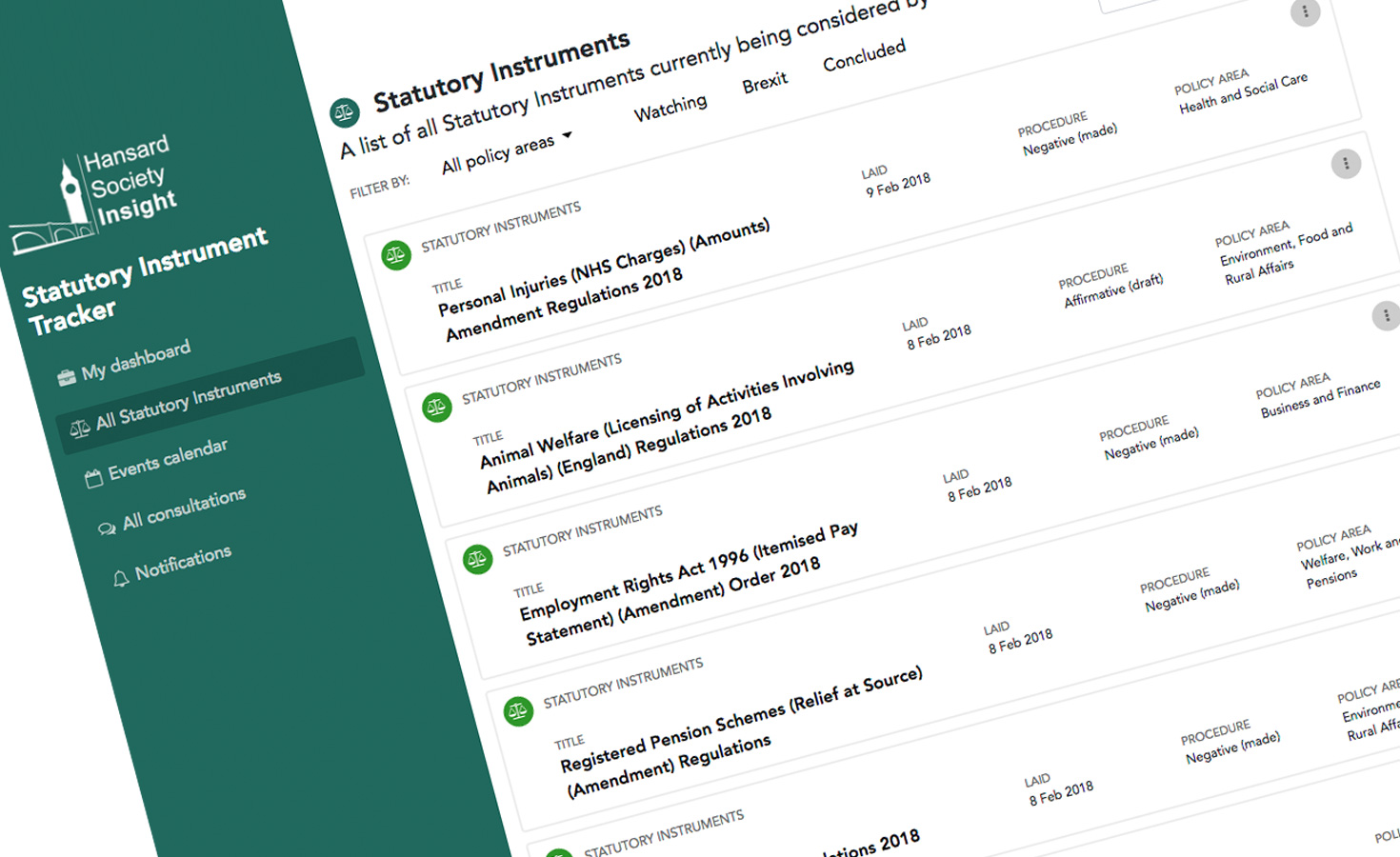
Our work on the Hansard Society web portal demonstrates this value. By building a custom tool to monitor Parliamentary activity, we provided a level of specific functionality that no generic CMS could offer.
The Business App Development Process
Our process is designed to be transparent and grounded in practical engineering. Our approach to every project is built on a proven mvp app development framework, where we use a rigorous technical discovery phase to turn complex ideas into high performance, market ready applications.
1. Discovery and Feature Prioritisation
We start by identifying the core problems your app must solve. This involves feature prioritisation, the process of deciding which functions are essential for the initial launch and which can be deferred. We often recommend starting with a Minimum Viable Product (MVP) to validate assumptions quickly. For one client, we launched an MVP Financial education app within just 8 weeks.
2. Architecture and API-first Design
We build with API-first architecture, which means designing the data layer before the interface. This ensures that your mobile app and web dashboard all speak the same language from day one. It also makes future integrations with third-party tools much simpler.
3. Iterative Development and CI/CD
We use CI/CD pipelines (automated testing and deployment systems) to catch bugs early. This allows our iOS app development services and Android app development teams to release updates safely and frequently.
4. Deployment and Ongoing Support
Deployment is not the end of the journey. Tinderhouse provides ongoing support across all projects to ensure the software evolves alongside your business.
Common Mistakes to Avoid
In our experience, most project failures stem from preventable strategic errors.
- Over-engineering the V1: Many founders try to build every feature at once. This increases time-to-market and obscures the core value of the tool.
- Ignoring Technical Debt: Taking shortcuts to meet a deadline creates a "debt" that must be paid back with interest later through difficult maintenance.
- Neglecting User Feedback: Building based on assumptions rather than observing how staff or customers actually use the software.
- Poor Platform Choice: Choosing a hybrid app development approach when a native development approach is required for performance, or vice versa.
Cost and Timeline Expectations
Business app development costs vary based on complexity, integration requirements, and the platforms supported. However, we focus on providing realistic ranges rather than "teaser" rates.
A focused business tool or MVP might take 8 to 12 weeks to launch. More complex enterprise app development projects, involving deep integrations or legacy data migration, may take 6 months or more. We use our experience with projects like the NHS app for new mothers to help clients understand where their budget is best spent to achieve the highest impact.
Is This Right For You?
Custom business app development is a significant investment in your company's infrastructure.
This works well if you:
- Have a unique business process that off-the-shelf software cannot handle.
- Need to consolidate multiple manual processes into a single, secure platform.
- Require a high level of data security and ownership.
This may not be right if:
- You have a very low budget and can solve your problem with a standard SaaS subscription.
- You are not prepared to involve a product owner in the weekly development process.
How Tinderhouse Works
We are a mobile app company based in Kent and London that prioritises logic over hype. We are ExpressionEngine specialists and have been since version 1, giving us a deep understanding of content-driven applications.
Our methodology is rooted in technical excellence:
- Microservices: We often use a microservices approach (breaking an app into small, independent services) to ensure that one part of the system can be updated without breaking the rest.
- Native Development: For mobile, we often favour native development (writing code specifically for iOS or Android) to ensure the best possible performance and user experience.
- Human-Centric Design: Our work on the Verenigma app involved voice recording analysis for stress and anxiety, requiring a high degree of empathy in the technical implementation.