Established 2003. Still delivering.

Our Core Capabilities

Specialist engineering and Fractional Product Teams for high-stakes digital products.

Tinderhouse: Specialist Our Core Capabilities UK for startups and enterprise teams

Tinderhouse is a multi-disciplinary engineering studio dedicated to building software that performs under pressure. We recognise that digital products are the engine room of modern business, requiring more than just functional code: they require technical foresight, architectural integrity, and long-term scalability. For over two decades, our UK-based team has delivered specialist services across the full software development lifecycle. Whether we are engineering high-concurrency mobile applications for millions of users or building complex AI-driven web systems for regulated industries, our approach is grounded in practical, resilient engineering. We offer these capabilities as individual projects or as a fully integrated Fractional Product Team on retainer. We partner with founders and enterprise leaders to turn technical challenges into competitive advantages through precision execution and a commitment to quality.

With over twenty years of engineering pedigree, we deliver the robust technical architecture required to handle rapid growth while maintaining total system stability.

Discuss your project
Our team is ready to begin new projects.
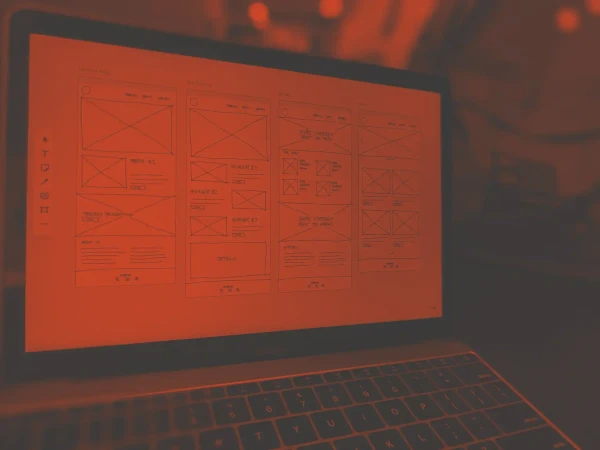
Tinderhouse: Specialist Mobile App Engineering apps and websites for UK startups and enterprise teams

Mobile App Engineering

High-performance native and cross-platform applications for iOS and Android.

We build resilient mobile experiences that perform under pressure, focusing on native pedigree and deep hardware integration to serve millions of users with total speed and reliability.

Explore more →
Tinderhouse: Specialist Bespoke Web Systems apps and websites for UK startups and enterprise teams

Bespoke Web Systems

Custom-engineered portals and infrastructure for mission-critical workflows.

We develop the 'brain' of your digital ecosystem, building high-load web systems and admin portals designed to handle vast datasets and complex business logic with total technical precision.

Explore more →
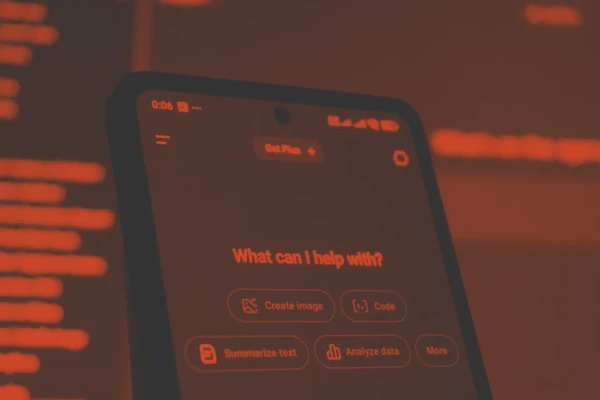
Tinderhouse: Specialist AI & Intelligent Automation apps and websites for UK startups and enterprise teams

AI & Intelligent Automation

Production-ready AI and LLM integration for regulated industries.

We bridge the gap between AI potential and practical application, engineering intelligent tools and automated workflows that handle sensitive data with total security and precision.

Explore more →
Tinderhouse: Specialist Fractional Product Team apps and websites for UK startups and enterprise teams

Fractional Product Team

An all-in-one Fractional Product Team that replaces your need for internal hiring of app and web developers

Whether you are a venture-backed startup or an established SME, our Elite Product Pods deliver high-seniority strategy and execution.

Explore more →

How your industry uses our engineering capabilities

Every sector has its own version of the same underlying challenge: software that needs to work under real conditions, not just in a demo. The way a fintech startup approaches mobile engineering is fundamentally different from how an NHS trust thinks about web systems or how a construction firm needs field operations tooling.

Financial services software carries a weight that most consumer apps do not. Regulatory expectations, data sensitivity, and the sheer cost of downtime mean that architectural decisions made in week one can define the product's viability for years. Tinderhouse has delivered production financial systems used daily by major UK banking institutions, giving us direct experience of what compliance-grade engineering actually demands.

Secure transaction platforms Building a payments or transaction platform in financial services is not primarily a UI challenge. The harder work sits in encryption protocols, audit trails, and ensuring that every data flow meets FCA expectations around record-keeping and client money handling. Our work on My Lost Account, the central banking portal used by all major UK banks for reuniting customers with lost assets, required exactly this kind of rigorous, security-first architecture. Every integration point had to be defensible under scrutiny.

Regulatory reporting dashboards Most financial firms still rely on manually assembled spreadsheets for regulatory reporting. A bespoke web system that pulls data from multiple internal sources, applies business logic, and presents it in auditable formats saves hours of senior staff time each reporting cycle. The key is getting the data model right from the start, because retrofitting compliance logic into a poorly structured system is expensive.

Customer onboarding and KYC flows Identity verification, document capture, and anti-money laundering checks need to feel simple on the front end whilst handling significant complexity behind it. A native mobile experience that guides users through onboarding without exposing them to the underlying compliance machinery is the difference between a 40% drop-off rate and a completed sign-up.

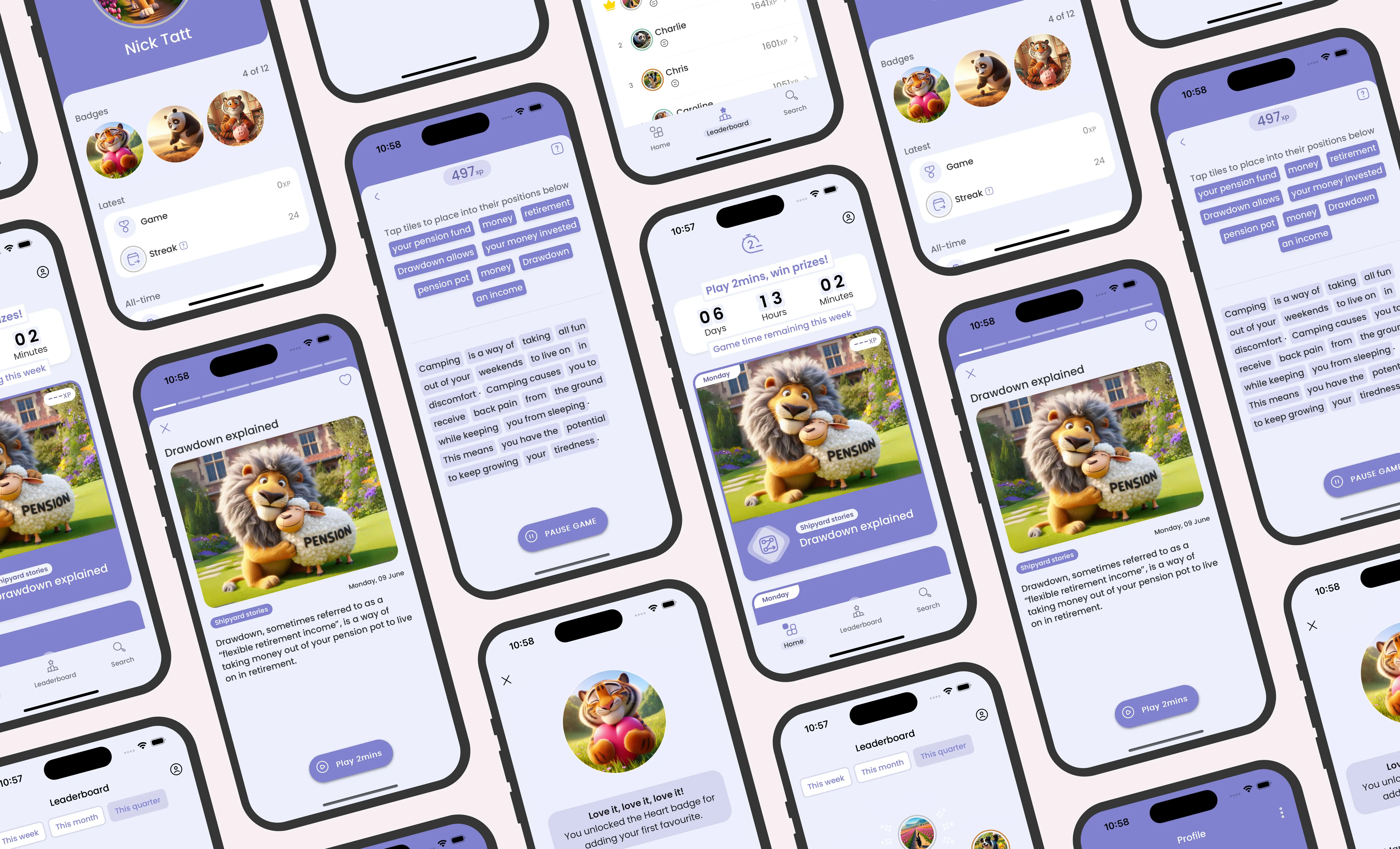
Gamified financial education Not all fintech is about transactions. Our work on 2mins, a cross-platform app that makes pensions and investment education engaging through bite-sized learning and competitive gameplay, showed that financial literacy products benefit from the same engineering discipline as trading platforms. The data still needs to be accurate, the user experience still needs to be polished, and the backend still needs to scale.

Portfolio and wealth management tools Wealth management firms increasingly need client-facing portals that display real-time portfolio data alongside advisory content. The engineering challenge is aggregating data from multiple custodians and fund managers into a single, coherent view without latency issues, all whilst maintaining the access controls that regulated advice requires.

Explore more →

Healthcare software operates under constraints that most industries never encounter. Patient data governance, clinical workflow integration, and the practical reality that end users are often time-pressured clinicians rather than willing technology adopters all shape the engineering decisions. Tinderhouse has delivered NHS-compliant platforms and understands that in this sector, a technically elegant system that clinicians cannot use in under 30 seconds is a failed system.

Clinical decision support tools Frontline clinicians need tools that surface the right information at the right moment without adding cognitive load. Our work on Health Help Now, an NHS urgent care triage platform, required building systems that guide patients through symptom assessment whilst ensuring the clinical logic underneath met NHS safety standards. The UX decisions mattered as much as the algorithmic ones.

Patient self-management apps Giving patients access to their own health data, appointment scheduling, and care plans through a mobile app reduces administrative burden on clinical teams. Our NHS Patients in Control project demonstrated that patient-facing digital tools need to accommodate a wide range of digital literacy, accessibility requirements, and device types. Designing for the least confident user is not a nice-to-have in healthcare.

AI-assisted clinical workflows Large language models and intelligent automation have genuine applications in healthcare, from summarising patient notes to flagging anomalies in diagnostic data. The critical factor is that any AI component must operate within clear governance boundaries, with human oversight built into the workflow rather than bolted on afterwards. Tinderhouse's experience in both AI engineering and healthcare compliance means we approach these projects with an understanding of where the regulatory lines sit.

Remote monitoring and wearable integration Wearable devices generate continuous health data that can support chronic disease management, post-operative recovery tracking, and early warning systems. The engineering challenge is less about collecting the data and more about processing it meaningfully: filtering noise, identifying clinically relevant patterns, and presenting actionable insights to care teams without overwhelming them.

Secure data interoperability Most NHS trusts and private healthcare providers run a patchwork of legacy systems that were never designed to communicate with each other. Building API layers and middleware that allow modern applications to exchange data with older clinical systems, without compromising IG Toolkit compliance, is a problem Tinderhouse has solved repeatedly.

Explore more →

Sports technology operates at the intersection of real-time data, user engagement, and hardware integration. Athletes and recreational users expect their apps to perform reliably in poor connectivity, track metrics with GPS-level precision, and present performance data in ways that are genuinely useful rather than just decorative. Tinderhouse built Map My Tracks, a GPS fitness platform with over a million users across 190 countries, and served as Official Technology Partner to Team Sky from 2010 to 2015.

Real-time performance tracking Live tracking during events requires architecture that can handle thousands of simultaneous GPS streams without degrading. During our work with Team Sky, we engineered systems that processed live bio-data and location data during professional cycling races, where even brief latency was unacceptable. The same architectural patterns apply to mass-participation events, endurance races, and team sport analytics platforms.

AI-powered coaching and insights Map My Tracks' Activity Insights feature uses large language model integration to deliver personalised coaching feedback after every activity. The engineering challenge was not simply connecting an LLM to activity data, but ensuring the feedback was contextually appropriate across different sports, fitness levels, and training goals. A recommendation that makes sense for an experienced ultra-distance cyclist is unhelpful for someone who has just started walking regularly.

Wearable and hardware integration Sports apps increasingly need to communicate with heart rate monitors, power meters, cadence sensors, and smartwatches. Our Bike Hub Apple Watch app required deep integration with Apple's health and location frameworks. Native development expertise matters here because cross-platform abstractions often cannot access the low-level hardware APIs that sports applications depend on.

Community and social features Engagement in fitness apps is driven by social mechanics: leaderboards, challenges, activity sharing, and club features. These need to scale without becoming a moderation headache or a performance bottleneck. Map My Tracks supports social features across a global user base, which means the backend architecture has to handle high-concurrency read and write operations during peak activity periods.

Event and race management Race organisers need platforms that handle registration, live tracking, results processing, and post-event analytics. These are high-concurrency scenarios where the system faces its heaviest load during a narrow time window. Engineering for that spike, rather than for average load, is what separates a reliable race platform from one that crashes when it matters most.

Explore more →

Construction and field service businesses operate in environments where connectivity is unreliable, users are wearing gloves, and the gap between office-based administration and on-site reality creates daily friction. Software for this sector needs to work offline, sync cleanly when connectivity returns, and present information in a way that a site foreman can use without training. Tinderhouse has built multiple field workforce platforms and understands the practical constraints that desktop-first thinking misses entirely.

Mobile workforce management Allocating jobs, tracking progress, and managing communication across dispersed teams is still handled by phone calls and WhatsApp in most construction firms. Our work on the D&D Carpentry project delivered a dedicated mobile platform that replaced ad hoc communication with structured job allocation, progress tracking, and administrative tools designed specifically for sub-contractors working across multiple sites.

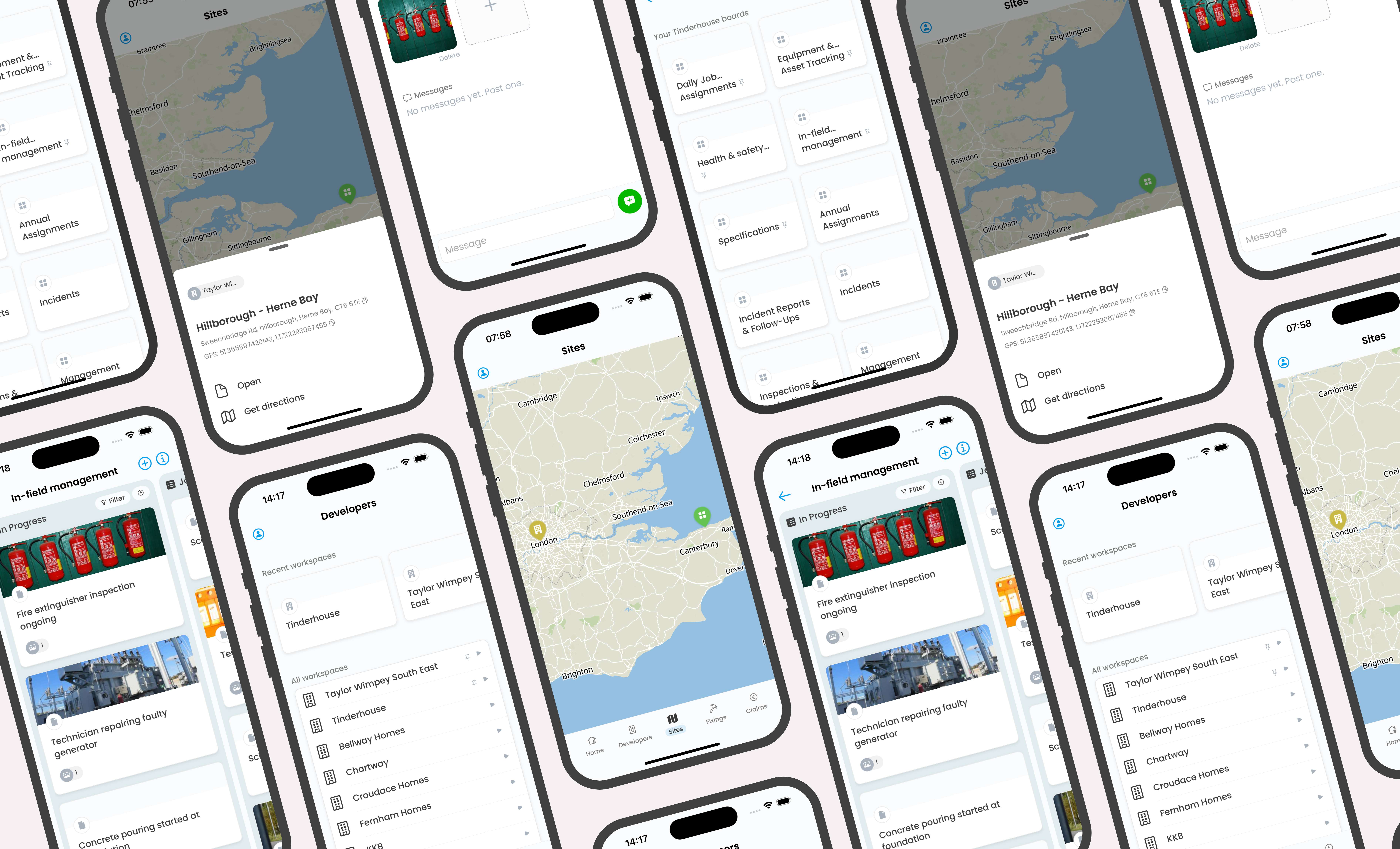
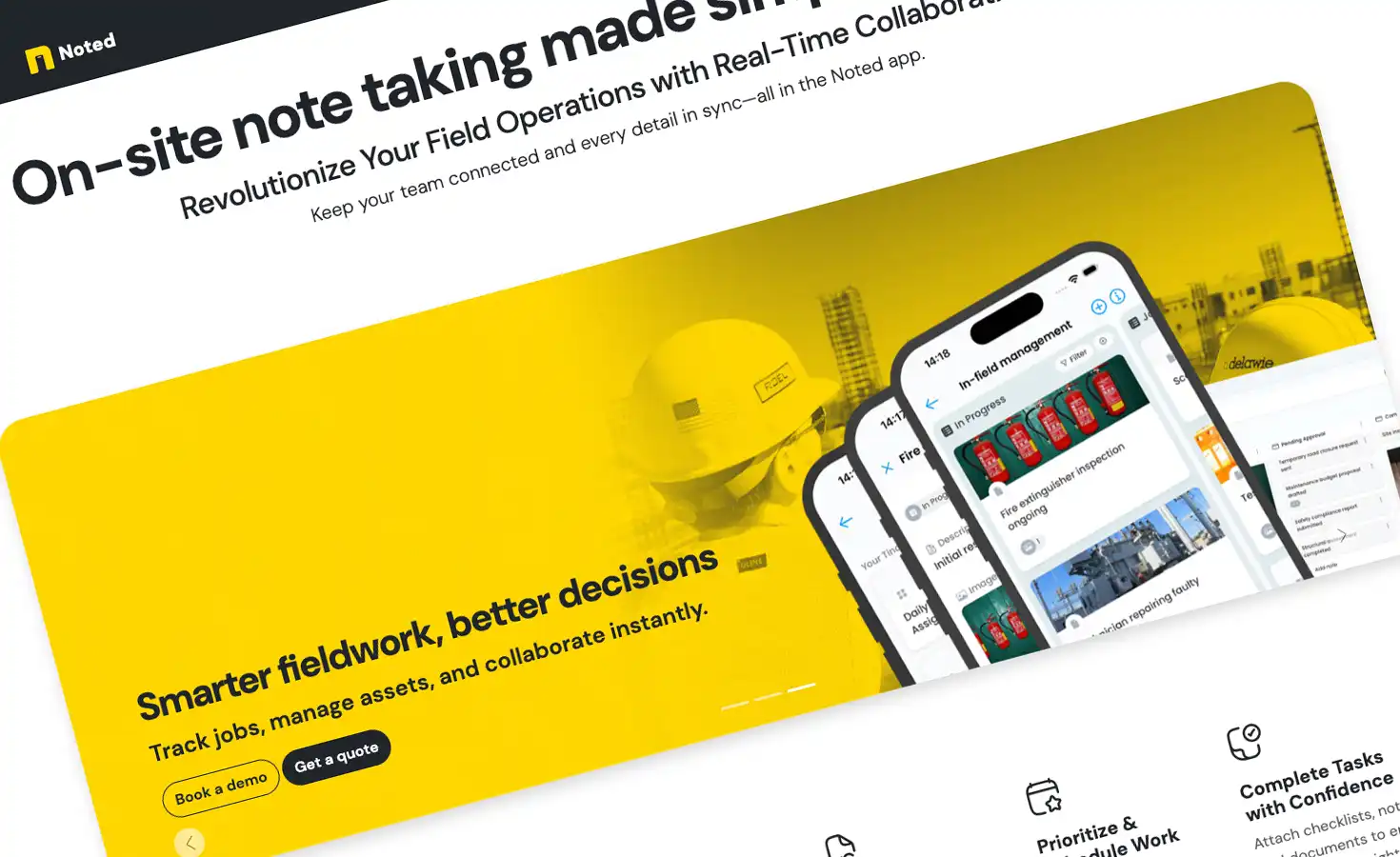
Field reporting and compliance Site inspections, safety audits, and compliance documentation are regulatory requirements that generate significant paperwork. A mobile app that allows field workers to complete inspections with photo evidence, GPS-tagged locations, and digital signatures, then syncs the data to a central admin portal, eliminates the delay between site visit and office processing. Our Noted SaaS platform was built precisely for this kind of workflow.

Offline-first architecture Many construction sites and remote field locations have limited or no mobile data coverage. Applications that fail without connectivity are useless in these environments. Tinderhouse engineers offline-first mobile apps that store data locally, queue actions, and synchronise automatically when a connection becomes available, without data conflicts or loss.

Asset and equipment tracking Knowing where plant equipment, tools, and materials are across multiple sites prevents theft, reduces hire costs, and improves project planning. Combining GPS tracking, QR code scanning, and a central asset register in a single mobile application gives operations managers visibility they currently lack.

SaaS platform delivery Several of our construction sector projects have evolved into multi-tenant SaaS platforms serving multiple client organisations. The Noted platform combines branded mobile apps with a web-based admin portal, enabling construction firms to deploy the system under their own brand whilst Tinderhouse manages the underlying infrastructure.

Explore more →

SaaS businesses live or die by their architecture. A platform that works for 50 users but buckles at 5,000 is a business risk, not a technical footnote. Tinderhouse has built SaaS products from initial concept through to scaled production, and we understand that the technical decisions made during the MVP phase have a direct impact on whether the platform can grow without a costly rebuild.

MVP development and validation Getting a software product to market quickly matters, but cutting the wrong corners during the MVP phase creates technical debt that compounds with every new feature. Tinderhouse builds MVPs with production-grade architecture underneath, so the codebase that proves the concept is also the codebase that scales. This is particularly important for founders seeking investment, where due diligence increasingly includes a technical review.

Multi-tenant architecture Most SaaS platforms need to serve multiple client organisations from a single codebase whilst keeping their data completely isolated. The architectural decisions around tenancy models, database partitioning, and access control need to be made early and made correctly. Retrofitting multi-tenancy into a system that was built for a single client is one of the most expensive mistakes in SaaS engineering.

Admin portal and dashboard engineering The admin-facing side of a SaaS platform often receives less design attention than the customer-facing product, but it is where the business actually operates. Reporting dashboards, user management, billing integration, and configuration tools need to be engineered with the same care as the front-end experience. Complex business logic expressed through a clumsy admin interface creates operational bottlenecks.

API design and third-party integration SaaS platforms rarely exist in isolation. They need to integrate with payment processors, CRM systems, communication tools, and industry-specific software. A well-designed API layer makes these integrations maintainable and extensible. A poorly designed one turns every new integration into a project of its own.

Scaling and infrastructure Auto-scaling cloud infrastructure, load balancing, and database optimisation are not afterthoughts for SaaS products. Tinderhouse's experience engineering systems that handle high-concurrency loads, from Map My Tracks' global user base to real-time data platforms for professional cycling, means we build for the traffic spike, not just the average day.

Explore more →

Public sector projects operate within procurement frameworks, accessibility standards, and governance requirements that commercial projects often do not encounter. The technology itself is rarely the hardest part. Navigating stakeholder complexity, meeting WCAG compliance, and building systems that serve diverse user populations with varying levels of digital confidence are the real challenges. Tinderhouse has delivered platforms for parliamentary institutions, local authorities, and university research groups.

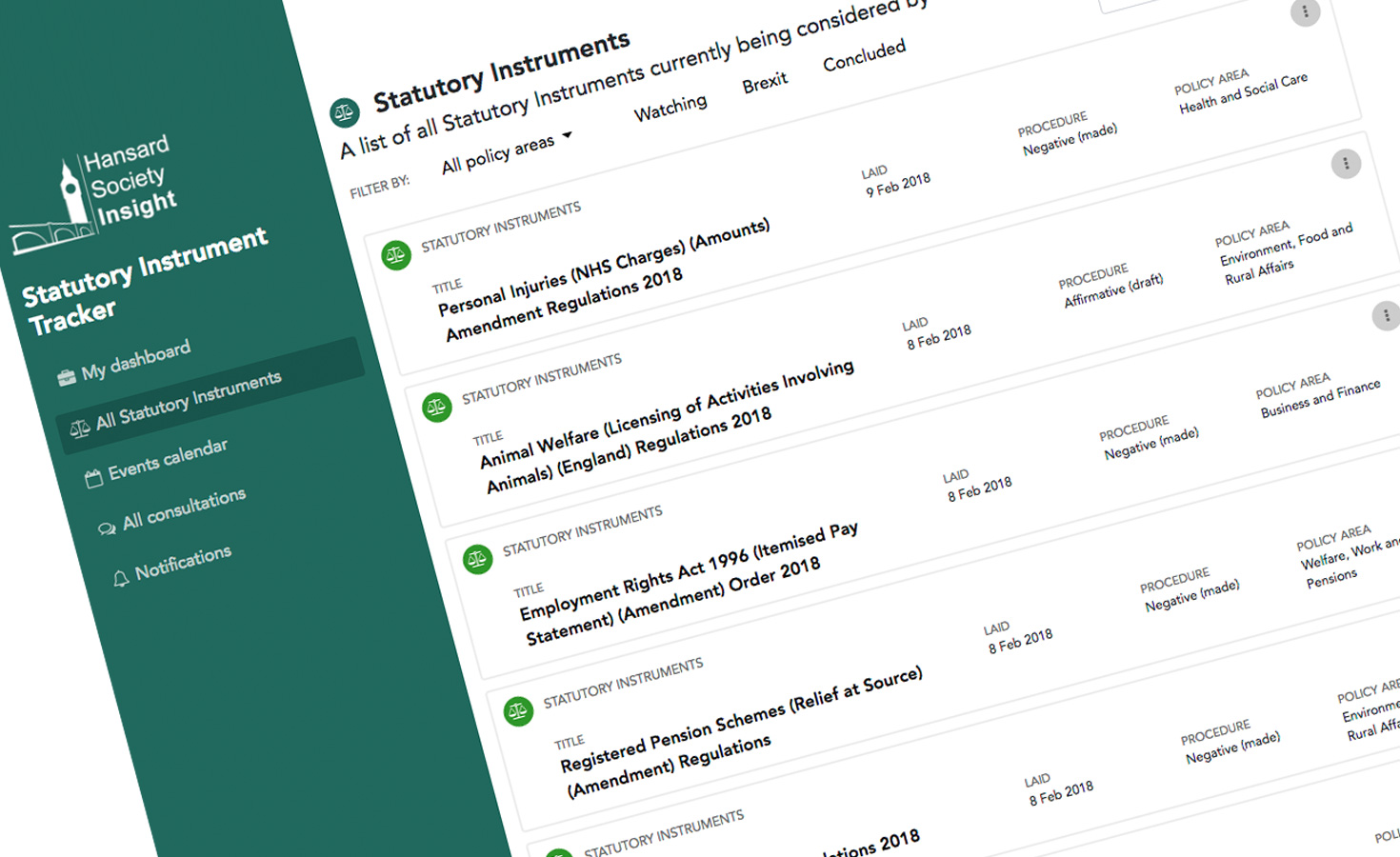
Legislative and policy tracking tools Our work with the Hansard Society produced the Statutory Instrument Tracker, a high-performance digital hub for parliamentary research and legislative monitoring. This kind of platform requires meticulous data modelling, because the relationships between legislative instruments, committees, and procedural stages are genuinely complex. Getting the information architecture wrong means the tool fails the researchers who depend on it.

Democratic engagement platforms The Democratic Dashboard, built in partnership with the London School of Economics, provides public-facing tools for civic engagement and political data analysis. These platforms carry a particular responsibility around impartiality, data accuracy, and accessibility. Every design decision needs to account for the fact that the audience is the general public, not a self-selecting group of technology-literate users.

Council and local authority systems Local authorities manage enormous volumes of casework, planning applications, licensing, and resident communication through systems that are often decades old. Building modern web interfaces that sit on top of legacy databases, allowing staff to work more efficiently without requiring a wholesale system replacement, is a pattern Tinderhouse has delivered repeatedly.

Accessible digital services Public sector digital services must meet WCAG 2.1 AA as a minimum, and increasingly AAA for certain applications. Accessibility is not a checkbox exercise applied at the end of a build. It needs to be embedded in the design and engineering process from the start, influencing everything from colour contrast and font sizing to screen reader compatibility and keyboard navigation.

Research and data visualisation Universities and research institutions need platforms that can ingest large datasets, apply analytical models, and present findings through interactive visualisations. The engineering challenge is building systems that are flexible enough for researchers to explore data in ways the original specification did not anticipate, without compromising performance or data integrity.

Explore more →

Hospitality and retail businesses face technology decisions that directly affect revenue on a daily basis. A booking system that adds friction loses customers. An e-commerce platform that slows down during a promotional campaign loses sales at the worst possible moment. The engineering behind these systems needs to prioritise speed, reliability, and a user experience that removes obstacles rather than creating them.

Booking and reservation systems A booking platform for a restaurant, hotel, or leisure venue needs to handle concurrent reservations without double-booking, integrate with payment processing, and provide management tools for capacity planning and yield optimisation. The front-end experience must be fast enough that a customer on a mobile phone completes their booking before they lose interest.

E-commerce and marketplace platforms Online retail platforms need to handle catalogue management, search and filtering, basket functionality, payment integration, and post-purchase communication. During promotional periods, traffic can increase by an order of magnitude. Tinderhouse's experience engineering high-concurrency systems means we build e-commerce platforms that perform under load, not just under testing conditions.

Loyalty and customer engagement apps Loyalty programmes drive repeat business, but only when the app is worth opening. A loyalty app that offers a clunky experience or requires too many steps to redeem a reward will not change customer behaviour. Native mobile development allows for push notifications, location-based offers, and Apple Wallet or Google Pay integration that cross-platform frameworks often handle poorly.

Inventory and supply chain visibility Retailers and hospitality businesses with multiple locations need real-time visibility of stock levels, supplier orders, and wastage data. A bespoke web system that aggregates this information into a single dashboard, with alerts for low stock or expiring inventory, prevents the revenue loss that comes from being out of stock on a busy Saturday evening.

Explore more →

Law firms, accountancy practices, and consultancies generate revenue from the expertise of their people, which means any technology that reduces time spent on administration directly improves profitability. The challenge is that most professional services firms have accumulated a collection of disconnected tools: one for time recording, another for document management, a third for client communication, and a spreadsheet holding it all together.

Client portal development A secure, branded client portal where clients can view case progress, access documents, approve deliverables, and communicate with their adviser reduces email volume and improves the client experience. The security requirements are significant, particularly in legal and financial advisory contexts, where client confidentiality is non-negotiable.

Workflow automation Professional services workflows often follow predictable patterns: client onboarding, engagement letter generation, task allocation, review cycles, and billing. Automating the repetitive steps within these workflows, using intelligent rules and triggers rather than manual intervention, frees senior staff to focus on advisory work rather than process management.

Document and knowledge management Firms with decades of accumulated expertise often struggle to make that knowledge accessible to current staff. A bespoke knowledge management system that indexes past work, extracts key insights using AI, and presents relevant precedents during active engagements turns institutional memory into a competitive advantage rather than an untapped archive.

AI-assisted research and analysis Large language models can accelerate research tasks that currently consume junior staff time: reviewing contracts, summarising regulatory changes, or identifying relevant case law. The critical requirement is accuracy, because in professional services, a confident but incorrect AI output is worse than no output at all. Tinderhouse's approach to AI integration prioritises retrieval-augmented generation and human review workflows that keep professionals in control.

Explore more →

Educational technology has moved well beyond learning management systems and virtual classrooms. Institutions and EdTech startups are building platforms that personalise learning pathways, automate assessment, manage complex timetabling, and deliver content across devices that students actually use. The engineering needs to accommodate large concurrent user bases during peak periods like enrolment and exam season, whilst remaining intuitive enough for users who range from five-year-olds to postgraduate researchers.

Learning platform development A bespoke learning platform built around an institution's specific pedagogy will always outperform a generic off-the-shelf LMS that has been customised beyond recognition. Our work with Hadlow College and Kent School of English involved building digital platforms tailored to their specific educational contexts, rather than forcing their processes into a template designed for a different kind of institution.

Student and parent engagement apps Schools and colleges need communication channels that parents and students will actually use. A well-designed mobile app that delivers timetable updates, assignment reminders, attendance notifications, and direct messaging with staff replaces the scatter of emails, paper letters, and third-party messaging apps that most institutions currently rely on.

Assessment and feedback automation Marking and feedback consume enormous amounts of teaching staff time. AI-assisted assessment tools that handle initial marking of structured responses, flag potential plagiarism, and generate draft feedback for teacher review can return hours to the teaching week. The AI component needs to be transparent about its confidence levels and clearly positioned as a support tool rather than a replacement for professional judgement.

Enrolment and administration systems Peak enrolment periods create high-concurrency demands on institutional systems. A web platform that handles applications, document uploads, fee payments, and course allocation without collapsing under load is a basic requirement that many institutions' legacy systems fail to meet. Tinderhouse builds these systems with the same high-concurrency engineering discipline we apply to consumer-scale platforms.

Charities and not-for-profit organisations face the same technical challenges as commercial businesses but with tighter budgets and greater scrutiny over how funds are spent. Technology investment needs to demonstrate clear impact, whether that means improving service delivery, reducing administrative overhead, or increasing fundraising efficiency. Tinderhouse has worked with organisations including Pilgrims Hospices and understands that in this sector, every pound spent on technology needs to justify itself.

Service delivery platforms Charities that provide direct services, whether counselling, advice, housing support, or healthcare, need digital platforms that make those services more accessible and more efficient to deliver. A well-built web system or mobile app can extend a charity's reach without proportionally increasing its staffing costs, which is the kind of leverage that trustees and funders want to see.

Fundraising and donor management Donor engagement is increasingly digital, and a charity's website and donation platform are often its primary fundraising tools. A fast, mobile-optimised donation journey with minimal friction, integrated with CRM and gift aid processing, directly affects conversion rates. The difference between a three-step and a seven-step donation process is measurable in lost income.

Volunteer coordination Organisations that rely on volunteers need tools for scheduling, communication, and task management that are simple enough for non-technical users. A mobile app that allows volunteers to see available shifts, confirm attendance, and receive location-specific briefings reduces the administrative burden on paid staff who would otherwise be coordinating everything by phone and email.

Impact reporting and data collection Funders and regulators increasingly require evidence of impact, not just activity. A bespoke data collection and reporting system that captures outcomes data at the point of service delivery, rather than reconstructing it from case notes months later, makes reporting more accurate and less time-consuming. This is particularly important for charities operating under contracts with local authorities or government departments.

Frequently asked questions

Everything you need to know about working with Tinderhouse, from costs and timelines to our process and expertise.

Yes. Every project we launch includes a 90-day post-launch warranty. We believe that execution does not end at ‘Go-Live.’ During the first three months, our UK team handles all technical refinements and bug fixes within the original budget, ensuring your platform is fully stable in a live environment before transitioning to long-term support.

We engineer for scale from the architecture level. Drawing from our history as technology partner to Team Sky, we utilise high-concurrency database patterns and auto-scaling cloud infrastructure. This ensures your application remains fast and responsive even during sudden traffic spikes or massive global user events.

Yes. We specialise in ‘bridging the gap’ between old and new. We build secure API layers and custom middleware that allow modern mobile and web applications to communicate seamlessly with your legacy databases and ERP systems, allowing for digital transformation without disrupting your core operations.

Security is integrated into our entire Software Development Life Cycle (SDLC). We implement ‘Privacy-by-Design’ principles, end-to-end encryption, and role-based access controls as standard. We also offer ongoing maintenance and security patching to protect your intellectual property and client data against evolving threats.

Yes. We move beyond the traditional agency model by acting as your embedded engineering department on a monthly retainer. This means we join your internal communication channels, participate in strategic planning, and take full ownership of your product roadmap. For the cost of one senior hire, you retain a multidisciplinary "Elite Pod" that includes fractional CTO leadership, UI/UX design, and full-stack engineering. This approach provides the continuity and "tribal knowledge" of an in-house team with the high-performance technical stability we have refined over 20 years of delivering for partners like Team Sky and the NHS.

We're proud to have worked with...

Team Sky: Elite Sports Technology Partner Willis re Sky Kent County Council Medway Council London School of Economics: Public Sector Research Systems NHS: Healthcare Digital Transformation Partner Cisco Systems: Enterprise Infrastructure Software Partner The Telegraph: National Election Platform Partner

Tinderhouse is ranked as one of the UK's top 50 mobile app development companies.

TEAM SKY
Tech partner
2010-2015
MAP MY TRACKS
#1 App
App Store (Fitness)
MAP MY TRACKS
Featured
App Store
BABY LED WEANING COOKBOOK
#1 App
App Store (Lifestyle)