Off-the-shelf platforms work until they don't. SaaS businesses frequently hit a point where their internal tools, admin dashboards, or operational systems need to do something that no existing product supports. Bespoke web systems fill that gap: purpose-built web applications designed around the specific workflows and data structures of the business they serve.
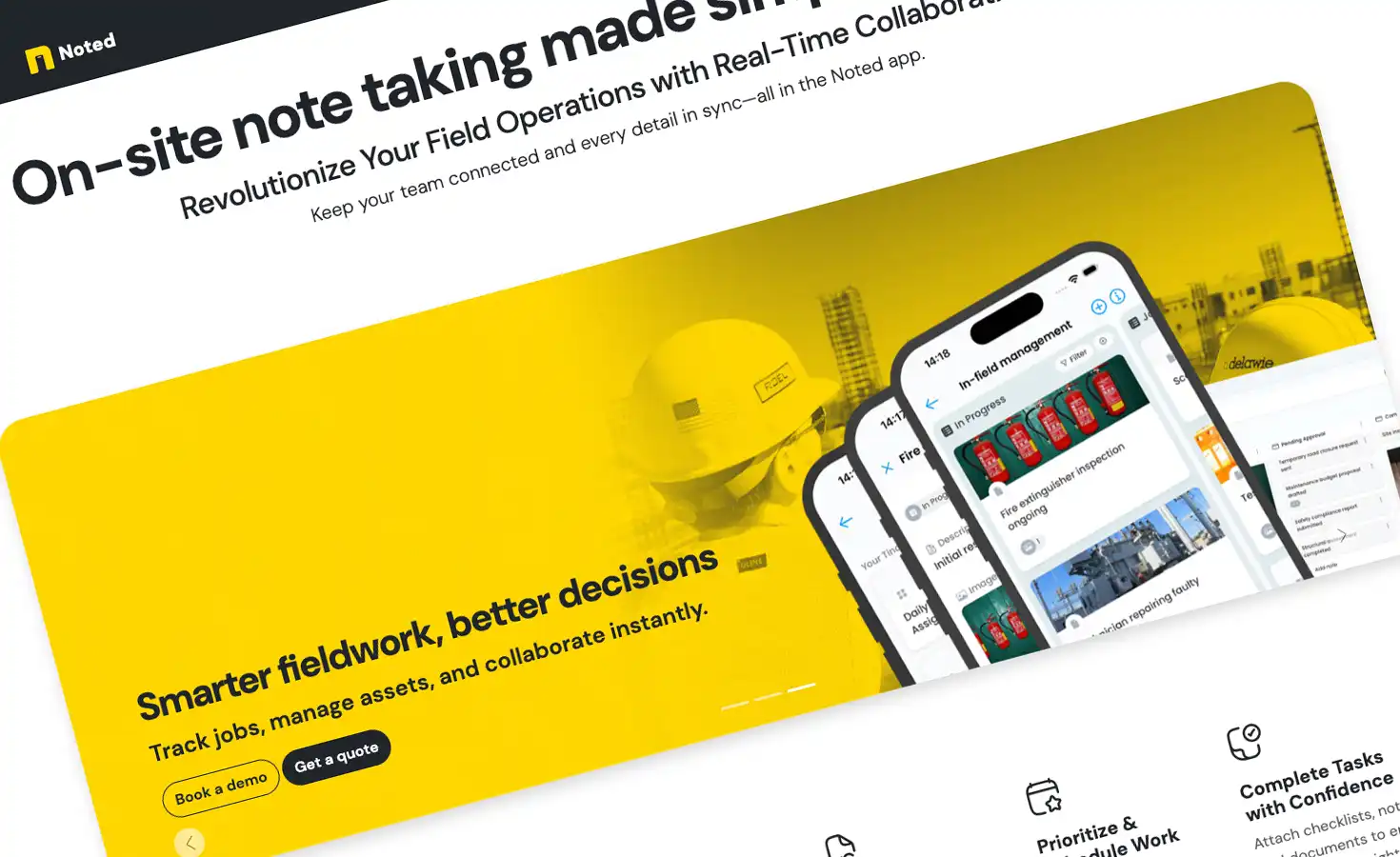
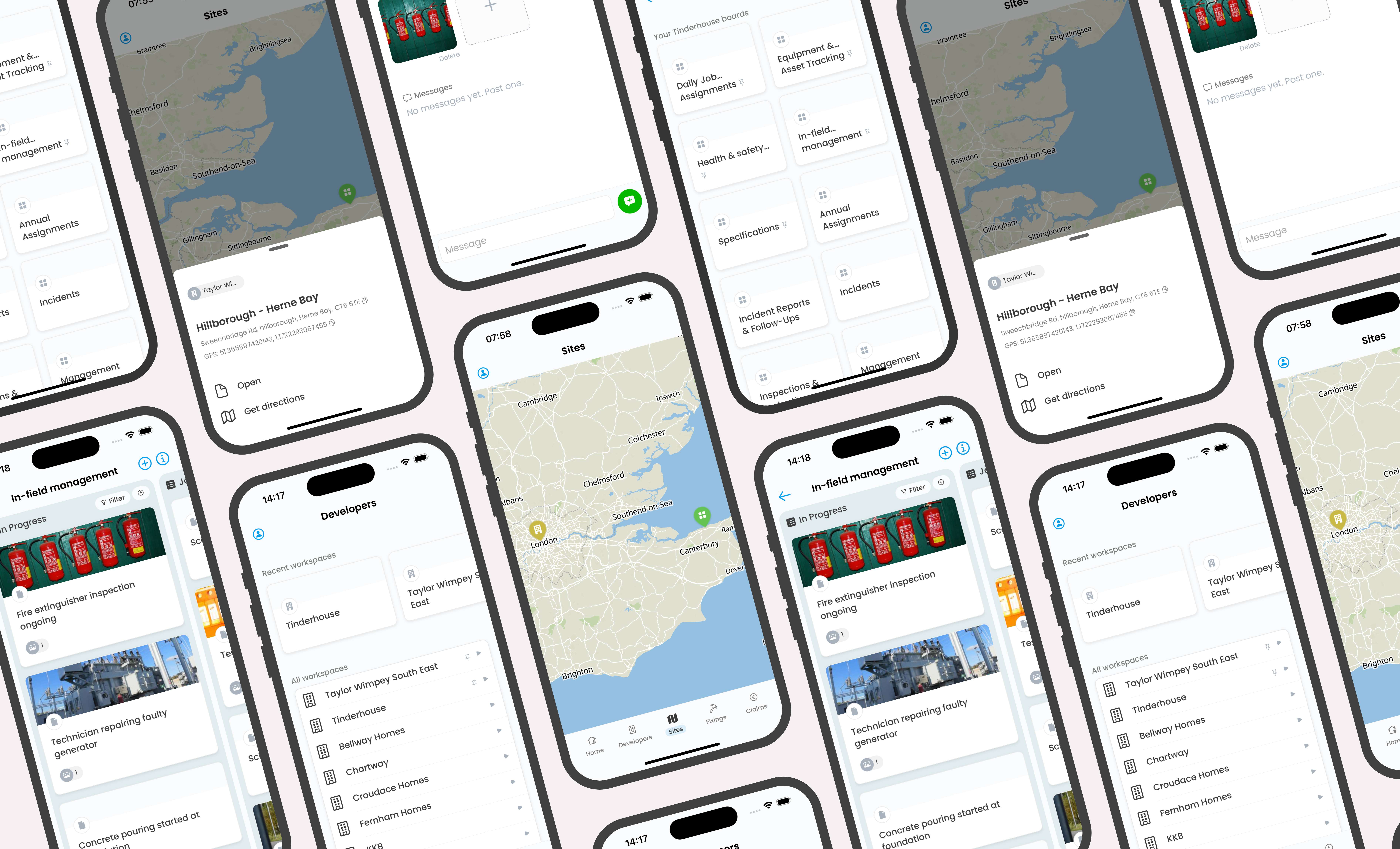
Admin portals and back-office tools Every SaaS product needs an operational layer that its customers never see. User management, tenant configuration, billing oversight, content moderation, support tooling: these systems are rarely glamorous, but they determine how efficiently the business runs day to day. The Noted platform paired its mobile apps with a powerful web-based admin portal that gave managers full visibility over field operations, demonstrating how a well-built back-office system becomes the control centre for the entire product.
Internal dashboards and reporting As a SaaS product scales, the founding team's ability to understand what is happening across the platform becomes harder to maintain through spreadsheets and database queries. Bespoke reporting dashboards that pull from production data, surfacing metrics like tenant health, usage patterns, churn signals, and revenue trends, give product and commercial teams the information they need without relying on engineering to run ad hoc queries.
Integration layers and data orchestration SaaS businesses rarely operate in isolation. Customer data flows between the platform, billing systems, CRMs, analytics tools, and third-party APIs. When the standard integrations provided by these tools fall short, a bespoke integration layer ensures data moves reliably between systems without manual intervention or brittle workarounds. Tinderhouse builds these as maintainable, well-documented systems rather than one-off scripts that become a liability when the original developer moves on.
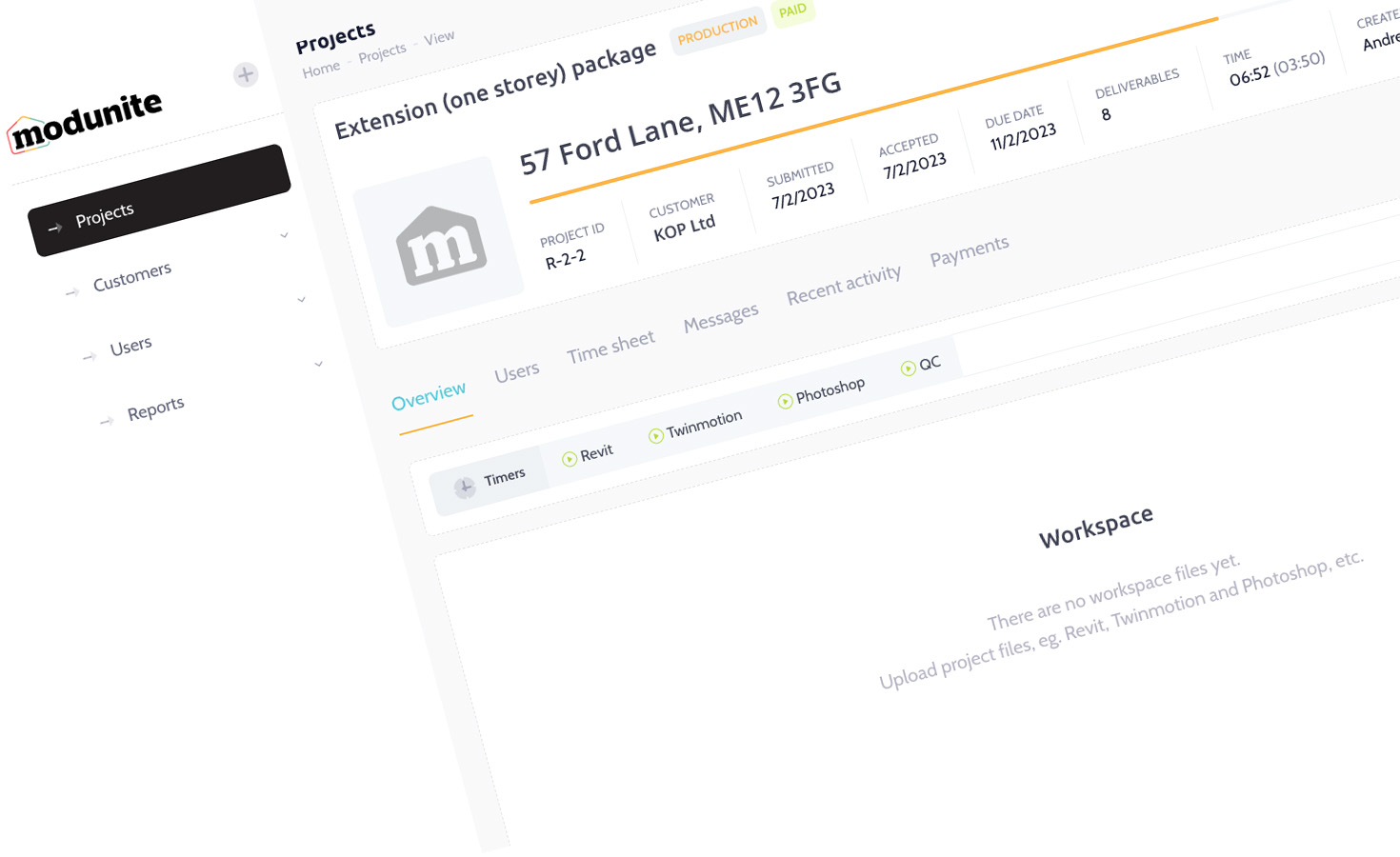
Workflow automation platforms Some SaaS businesses reach a stage where their operational processes, onboarding new tenants, provisioning environments, managing subscription changes, need their own dedicated tooling. Rather than stretching a project management tool or CRM to cover these workflows, a purpose-built system handles the specific steps, approvals, and notifications that the business actually requires. The Modunite Portal is one example: a bespoke web platform that gave architectural visualisation clients a structured workflow for managing projects, assigning rendering perspectives, and providing feedback in one secure location.
Explore more →