Build secure, compliant medical software designed for clinicians and patients
Tinderhouse delivers expert healthcare app development grounded in 20+ years of handling sensitive health data. We built biometric monitoring systems for Team Sky professional cyclists (2010-2015), delivered NHS educational apps, and scaled health platforms to millions of users. Our founder, Nick Tatt, is a certified cycling coach with expertise in performance data and athlete health monitoring. We prioritise security, regulatory compliance, and the practical needs of clinicians and patients.
From elite athletes to NHS patients: we've proven our health data expertise at the highest level. In healthcare, trust is not optional. Data accuracy and privacy are guaranteed.
Our app and website design and development areas of expertise
AI integration specialists
Web service connections
Back-end database integration
Innovative UX/UI design
Our app and website solutions are helping businesses grow, be more efficient and sell more. Let's talk about your project. Call us on +44 (0)1227 811771 or send us an email.
Why Healthcare App Development Requires a Specialist Approach
Healthcare app development is fundamentally different from building general consumer software because the stakes involve patient safety and data integrity. When we develop medical tools, we must account for PHI data handling (the strict protocols for managing Protected Health Information). This ensures that every piece of patient data is encrypted and accessible only to authorised personnel.
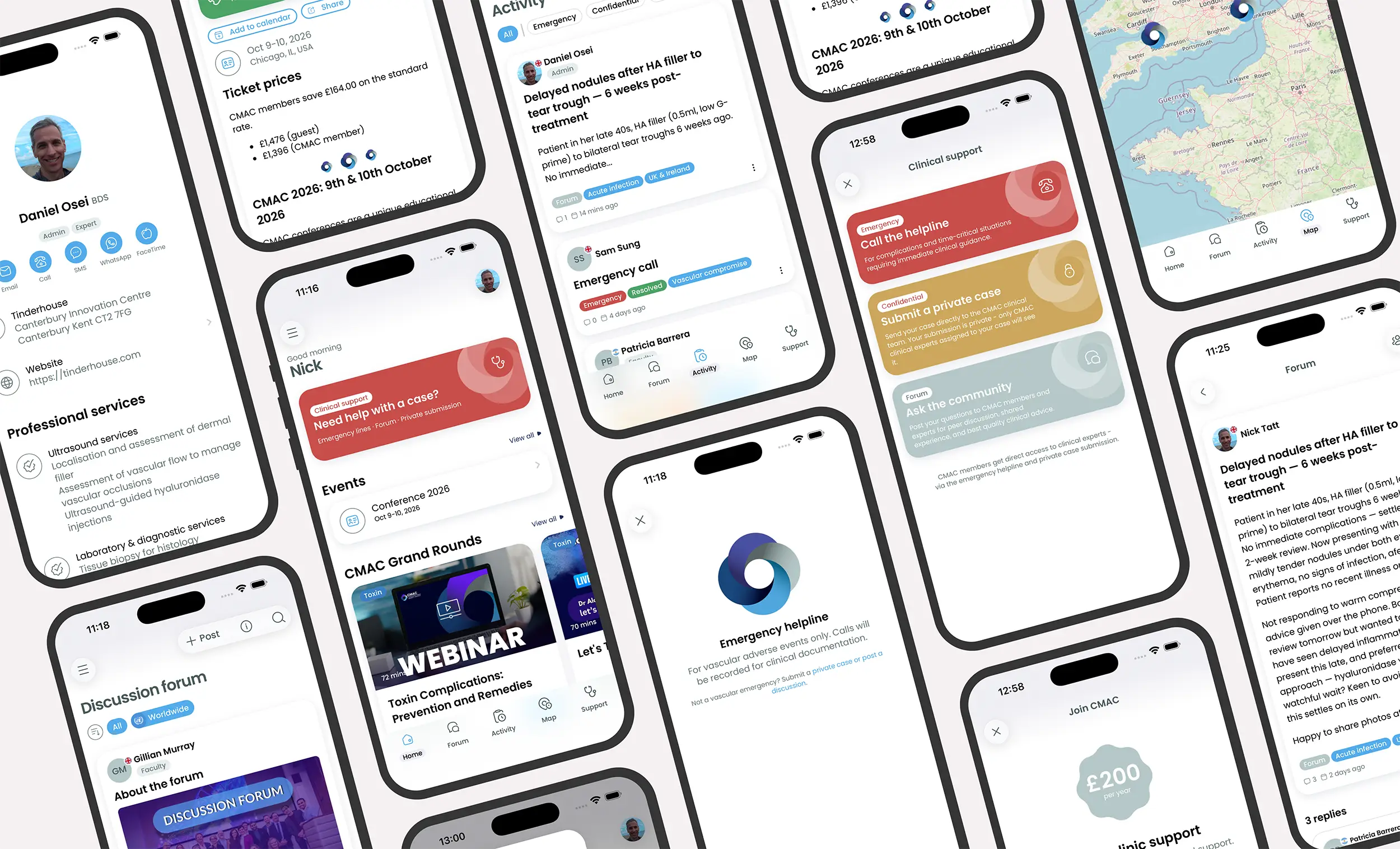
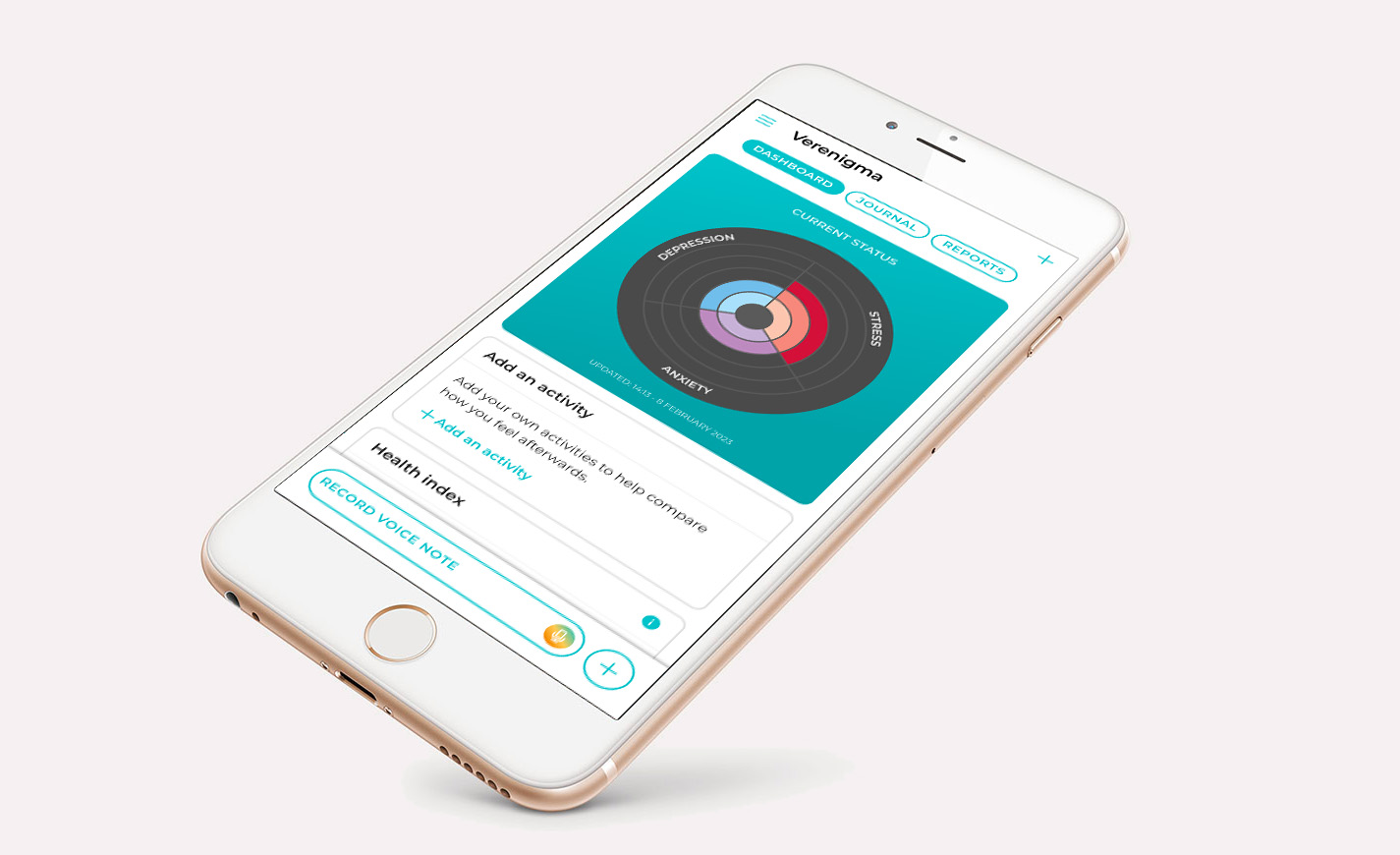
As of 2025, the UK regulatory landscape for digital health has become increasingly complex, and it only gets harder once a product operates across borders. Our team navigates these requirements by focusing on technical fundamentals rather than aesthetic trends. We have learned through projects like the Verenigma AI app, which analyses voice recordings for stress and anxiety, and CMAC's emergency clinical helpline, which uses AI to transcribe and structure detail from live calls into a case record for a clinician to review and confirm, that technical precision, not the AI itself, is what makes this kind of work clinically valid. This experience allows us to help you avoid the common pitfalls of mobile app development in the medical sector.
What is Healthcare App Development?
The 2026 Shift: Agentic AI for Clinical Decision Support
"Healthcare software is evolving from static records into active clinical partners. We specialise in integrating Agentic AI into medical environments to automate triaging and support clinical decision-making. By combining wearable biometric data with intelligent agents, we help providers move from reactive care to proactive, real-time health monitoring."
“Our experience handling biometric data for Team Sky professional cyclists informs how we architect AI systems for clinical environments, where data accuracy and patient safety are paramount.”
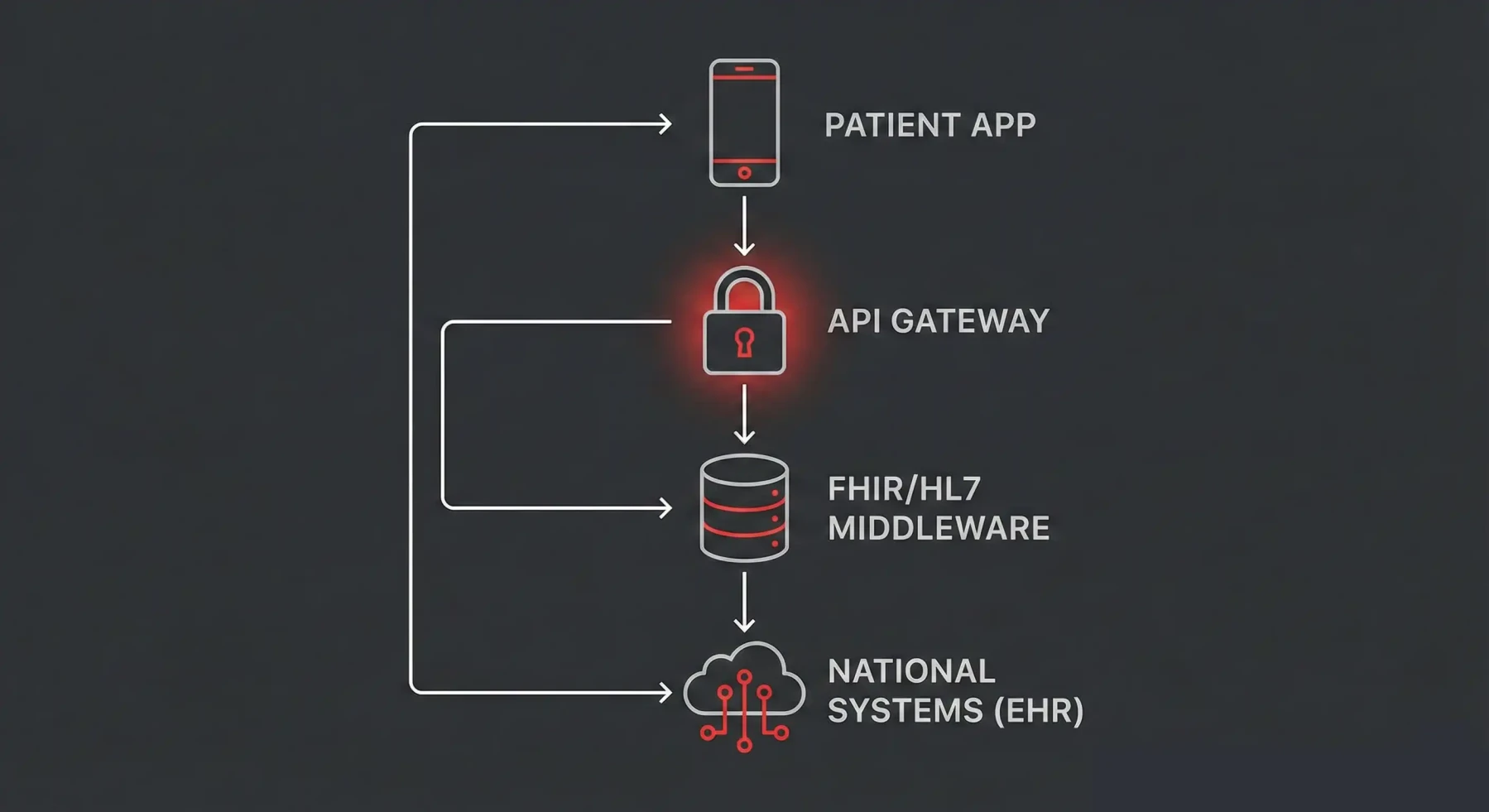
Healthcare app development is the process of creating software specifically for the medical and wellness sectors. This ranges from patient-facing tools to complex clinical systems used by providers. Unlike standard apps, these products must often integrate with existing hospital infrastructure through HL7 integration. This is the international standard for transferring clinical and administrative data between software applications used by various healthcare providers.
Engineering for Compliance: Our healthcare architecture is built on the principles of 'Security by Design,' ensuring full interoperability with clinical systems while maintaining strict PHI data sovereignty.
It is important to distinguish between a wellness app and a medical device. If your software is intended to diagnose, treat, or monitor a condition, it may be classified as software as a medical device (SaMD). This classification requires a higher level of scrutiny and specific ios app development services that adhere to stringent safety standards. We help founders realise which category their product falls into early in the process to avoid costly re-engineering later.
Health Data Expertise from Elite Sport to Clinical Care
Between 2010 and 2015, Tinderhouse was commissioned by BSkyB to serve as Official Technology Partner to Team Sky, Britain's professional cycling team. This partnership required us to build GPS tracking systems that handled real-time biometric data (heart rate, power output, cadence, speed) for professional athletes during Tour de France preparations.
This elite-level experience in handling sensitive health data translates directly to medical software development. The same principles that ensure accuracy for professional athletes apply to patient data: sub-second precision, robust error handling, secure transmission, and reliable storage under demanding conditions.
Our founder, Nick Tatt, brings additional domain expertise as a certified cycling coach and competitive ultra-distance athlete. His first-hand understanding of performance metrics, heart rate variability, training load management, and recovery monitoring ensures our healthcare development decisions are informed by real-world health data expertise, not just technical specifications.
This combination of elite-level health data experience and clinical software development positions us uniquely to build medical platforms that meet both regulatory requirements and practical user needs.
Why Businesses Choose Tinderhouse for Medical Software
Founders and product leads partner with us because we value clarity and technical honesty over sales pitches. Our 20 years of experience in the UK market means we understand the specific challenges of government and public sector app development and NHS frameworks.
Elite Health Data Experience: We handled real-time biometric data for Team Sky professional cyclists during Tour de France preparations, demonstrating our capability with sensitive health information at scale. Our founder's background as a certified cycling coach provides first-hand expertise in performance data, heart rate analysis, and athlete health monitoring.
Risk Reduction: We identify potential compliance bottlenecks before a single line of code is written.
Clinical Utility: We focus on how the app will actually be used in a high-pressure clinical environment.
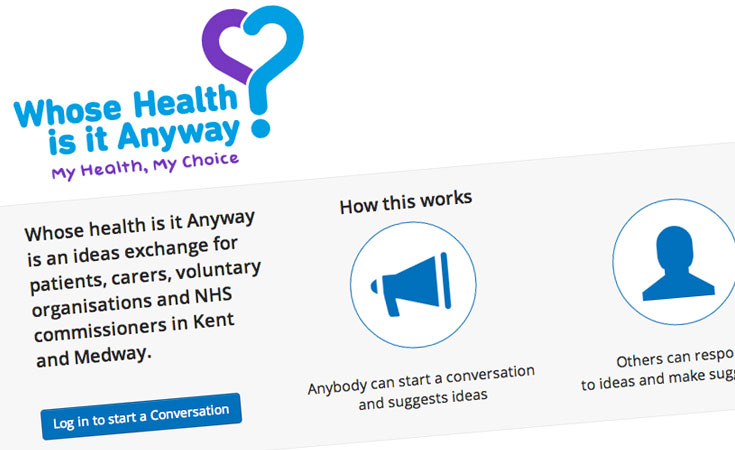
Proven Track Record: From Team Sky's professional athlete monitoring systems to NHS educational apps for mothers, we've delivered health platforms across the full spectrum from elite performance to public healthcare.
The Healthcare App Development Process
Our process is designed to handle the unique sensitivities of medical data while maintaining the speed required to innovate. Our approach to every project is built on a proven mvp app development framework, where we use a rigorous technical discovery phase to turn complex ideas into high performance, market ready applications.
Discovery and Compliance Mapping
We begin by identifying the regulatory requirements specific to your product. This includes determining the level of PHI data handling required and whether the app needs to integrate with NHS systems.
Agile Development and Sprints
We follow Agile methodology. These are short development cycles that let us adapt as you learn from user feedback. Within this, we use Scrum practices: two-week sprints with clear deliverables and regular check-ins. This is particularly useful for complex projects like our financial app development work, where logic must be tested frequently.
Rigorous Testing and Quality Assurance
In healthcare, bugs can have serious consequences. We use CI/CD pipelines (automated testing and deployment systems) that catch errors early and let us release updates safely. We also conduct extensive beta testing to ensure the user interface is intuitive for both clinicians and patients.
Common Mistakes to Avoid
In our experience, many healthcare projects fail not because of the idea, but because of poor technical execution or planning.
Ignoring Technical Debt: We are careful about technical debt, the long-term cost of taking shortcuts. Every "quick fix" in a healthcare app creates maintenance work and potential security risks later.
Underestimating Integration: Many founders fail to plan for HL7 integration early enough. Connecting to legacy hospital systems is often the most complex part of the build.
Poor Role-Based Access Control: Security is often treated as an afterthought. We implement role-based access control (a method of restricting system access to authorised users) from the start to ensure data privacy.
Cost and Timeline for Medical Apps
The cost of healthcare app development is driven by the complexity of the data and the level of regulatory compliance required. A simple patient-facing tool will have a different investment profile than a diagnostic tool requiring SaMD certification.
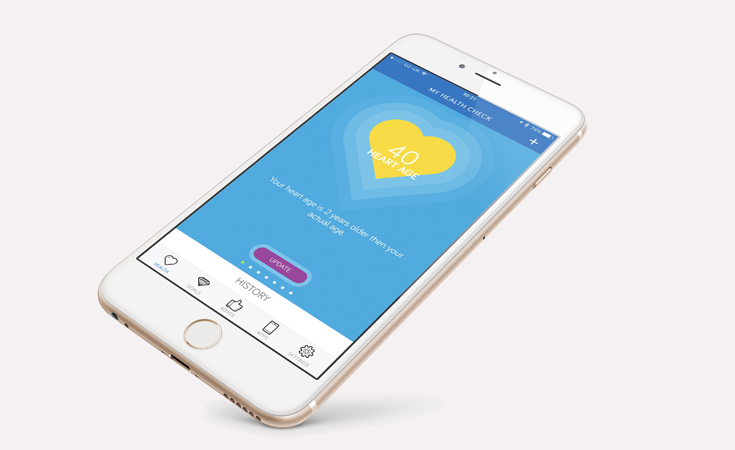
Timelines are dictated by your objectives, typically ranging from three to nine months for an initial launch. When immediate public health impact is the priority, we structure projects for accelerated delivery, as we did with CMAC and Health Help Now to connect users with essential services, or NHS My Health Check to rapidly validate health tracking. Conversely, complex secure data environments like NHS Patients in Control, integrated corporate platforms like Flo Fit, or evolving products like Born to Move are built using phased, long-term roadmaps. Whatever the scope, we provide transparent schedules so you can plan your budget and market entry with confidence.
Is This Right For You?
Our healthcare development services are a good fit for you if:
You are a founder building a regulated medical product.
You represent an NHS trust or healthcare provider looking to digitise a manual process.
You value a partner who will tell you the truth about technical limitations.
This may not be right if you are looking for a "white-label" solution or a low-cost, template-based app. We build bespoke software where security and performance are the primary requirements.
How Tinderhouse Works
We operate as a technical partner rather than a traditional agency. We use API-first architecture, which means designing the data layer before the interface. This ensures your mobile app and clinical dashboard all speak the same language from day one.
Our team prioritises HIPAA and GDPR compliance, the standards that protect patient health information. This involves encrypted data transmission and comprehensive audit trails. Whether we are building a SaaS development platform for clinicians or a native app, our focus remains on stability and long-term support.
Ready to Discuss Your Project?
We've helped businesses across the UK turn technical challenges into working solutions. Whether you're at the planning stage or ready to start development, we're here to provide honest advice and clear guidance.
Call us on +44 (0)1227 811771 to discuss your project, or send us an email using our contact form.
Build autonomous AI agents that handle specific business tasks and integrate seamlessly with your systems
Explore more →
Frequently asked questions
Everything you need to know about working with Tinderhouse, from costs and timelines to our process and expertise.
We use role-based access control and end-to-end encryption for all PHI data handling. Our 20 years of experience includes building secure platforms for Team Sky professional athletes (real-time biometric data), major UK banks (financial data), and NHS applications (patient data). We apply the same high-security standards across all health-related development.
Yes. HL7 integration (the standard for medical data exchange) can be used to ensure our apps can communicate with hospital databases and patient management systems.
A wellness app tracks general health data, while a medical app often functions as software as a medical device (SaMD). The latter requires much stricter testing and regulatory approval. We help you determine the correct path during our discovery phase.
Every project we launch comes with a 90-day post-launch warranty. At Tinderhouse, we believe execution doesn't end at 'Go-Live.' For the first three months after launch, our UK-based team handles any technical issues, bug fixes, or performance refinements within the original project budget. This ensures your software or AI system is fully stable in a real-world environment before transitioning to long-term support, protecting your investment and ensuring a seamless experience for your users.
While a typical MVP can be launched in 8 weeks, healthcare products often take 12 to 16 weeks due to the necessary security audits and compliance checks. We focus on building a stable foundation that can scale.
We always recommend beginning with a technical discovery phase. By focusing on mvp app development as the first milestone, we can validate your core features and architecture before committing to a full scale rollout. This lean methodology reduces risk and ensures your product is engineered to scale from day one.
Tinderhouse served as Official Technology Partner to Team Sky for BSkyB from 2010-2015, building GPS tracking and biometric monitoring systems that handled real-time health data (heart rate, power, cadence, speed) for professional cyclists. Our founder, Nick Tatt, is a certified cycling coach with expertise in performance metrics, heart rate variability, and training load management. This elite-level health data experience, combined with our NHS app development and 20+ years building secure platforms, ensures we understand both the technical requirements and practical needs of medical software.