Fitness & Wellness App Development | Gym, Training & Health Apps

Creators of Map My Tracks - the #1 Health & Fitness app. Award-winning fitness and wellness app developers in Kent & London since 2003.

We're the team behind Map My Tracks, the #1 ranked Health & Fitness app on the App Store used by millions of athletes worldwide. With 20+ years of experience building fitness and wellness applications, we deliver gym management apps, personal training platforms, workout tracking systems, nutrition apps, and health monitoring solutions that motivate users and drive engagement. From GPS tracking and wearable integration to social features and gamification, we combine proven fitness app expertise with cutting-edge technology. Whether you need Apple Watch integration, Garmin connectivity, HealthKit synchronisation, or custom workout builders, our UK-based team specialises in activity tracking, heart rate monitoring, training plans, progress analytics, and creating fitness experiences that users love and return to daily.

Map My Tracks reached #1 in the App Store Health & Fitness category with millions of downloads worldwide. We know what makes fitness apps successful.

Tinderhouse - At a glance

Fitness app development

Everything you need to know about working with us.

Experience
20+ years | Map My Tracks #1 app | Millions of users
Investment
£30K-£150K depending on features
Timeline
10-36 weeks with wearable integration
Platforms
iOS, Android, Apple Watch, Garmin, Fitbit
Specialties
GPS tracking, wearables, health, nutrition
Location
Canterbury, Kent & London
MAP MY TRACKS
Featured
App Store
BABY LED WEANING COOKBOOK
#1 App
App Store (Lifestyle)
MAP MY TRACKS
#1 App
App Store (Fitness)

Our app and website design and development expertises

AI integration specialists
Web service connections
Back-end database integration
Innovative UX/UI design

Our app and website solutions are helping businesses grow, be more efficient and sell more. Talk to us about your project. Call us on +44 (0)1227 811771.

Why use Tinderhouse for fitness app development?

Here are just some of the reasons why we think we're a good fit for your fitness or wellness app project.

Proven Fitness App Success - We built Map My Tracks, which reached #1 in the App Store Health & Fitness category and has been downloaded by millions of users worldwide. We understand what makes fitness apps successful including engaging users daily, motivating behaviour change, delivering accurate tracking, creating social connections, and building features athletes actually want to use. Our fitness app expertise isn't theoretical - it's proven at scale with real users achieving real fitness goals.

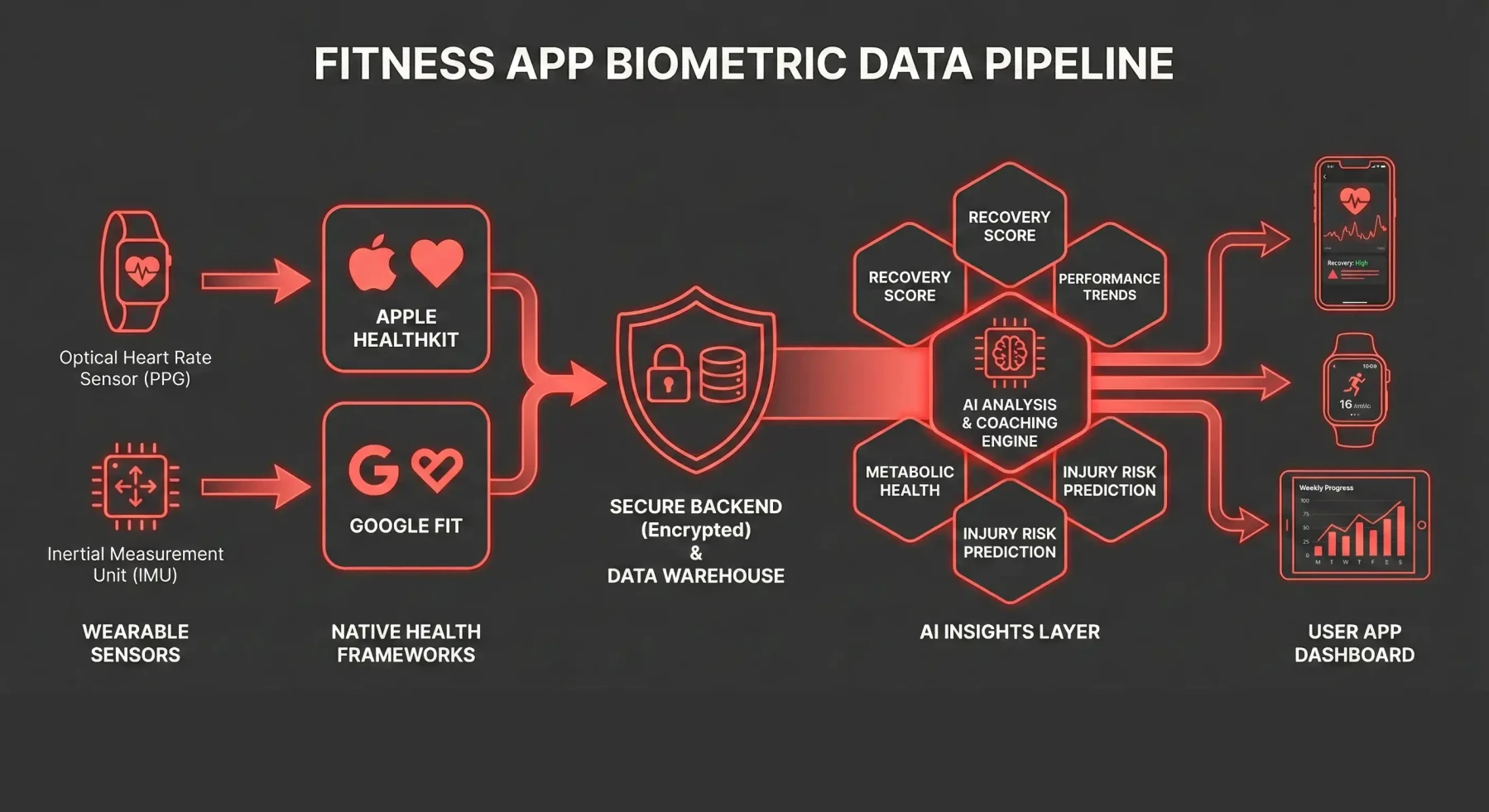
Wearable Integration Specialists - Map My Tracks integrates with every major wearable platform, making us experts in device connectivity. We specialise in Apple Watch integration with complications, standalone workouts, heart rate monitoring, and Fitness ring contributions, Garmin Connect API for advanced metrics, training load, and device synchronisation, Fitbit SDK for activity tracking, sleep monitoring, and health data, Polar devices for heart rate zones, training programmes, and performance analytics, Wahoo sensors for cycling power, cadence, and speed data, Samsung Health for Galaxy Watch and Android ecosystem integration, and Strava API for segment tracking, social features, and athlete communities. We handle the complexity of multiple SDK versions, authentication flows, data synchronisation, offline caching, battery optimisation, and firmware compatibility issues that make wearable integration challenging.

GPS & Activity Tracking Expertise - Accurate GPS tracking is fundamental to fitness apps. Through Map My Tracks development, we've mastered location services including battery-optimised background tracking for marathon-length activities, adaptive sampling balancing accuracy with battery life, sensor fusion combining GPS, accelerometer, and barometer data, altitude calculation using barometric pressure and elevation databases, pace and speed calculations with smoothing algorithms, route mapping with turn-by-turn navigation, and offline map support for activities without connectivity. Our GPS accuracy rivals dedicated fitness devices while maintaining excellent battery performance through intelligent power management and motion detection.

Health Platform Integration - We integrate fitness apps with platform health ecosystems including Apple HealthKit for comprehensive health data access, workout synchronisation, and Activity ring contributions, Google Fit API for Android health data, workout types, and cross-app integration, Samsung Health for Galaxy device ecosystem and health monitoring, Huawei Health for international markets and device connectivity, and custom health data aggregation combining multiple sources. Proper health platform integration ensures your app works seamlessly with the health tracking users already do, increases engagement through data sharing, and provides comprehensive health insights by combining activity, nutrition, sleep, and vital signs data.

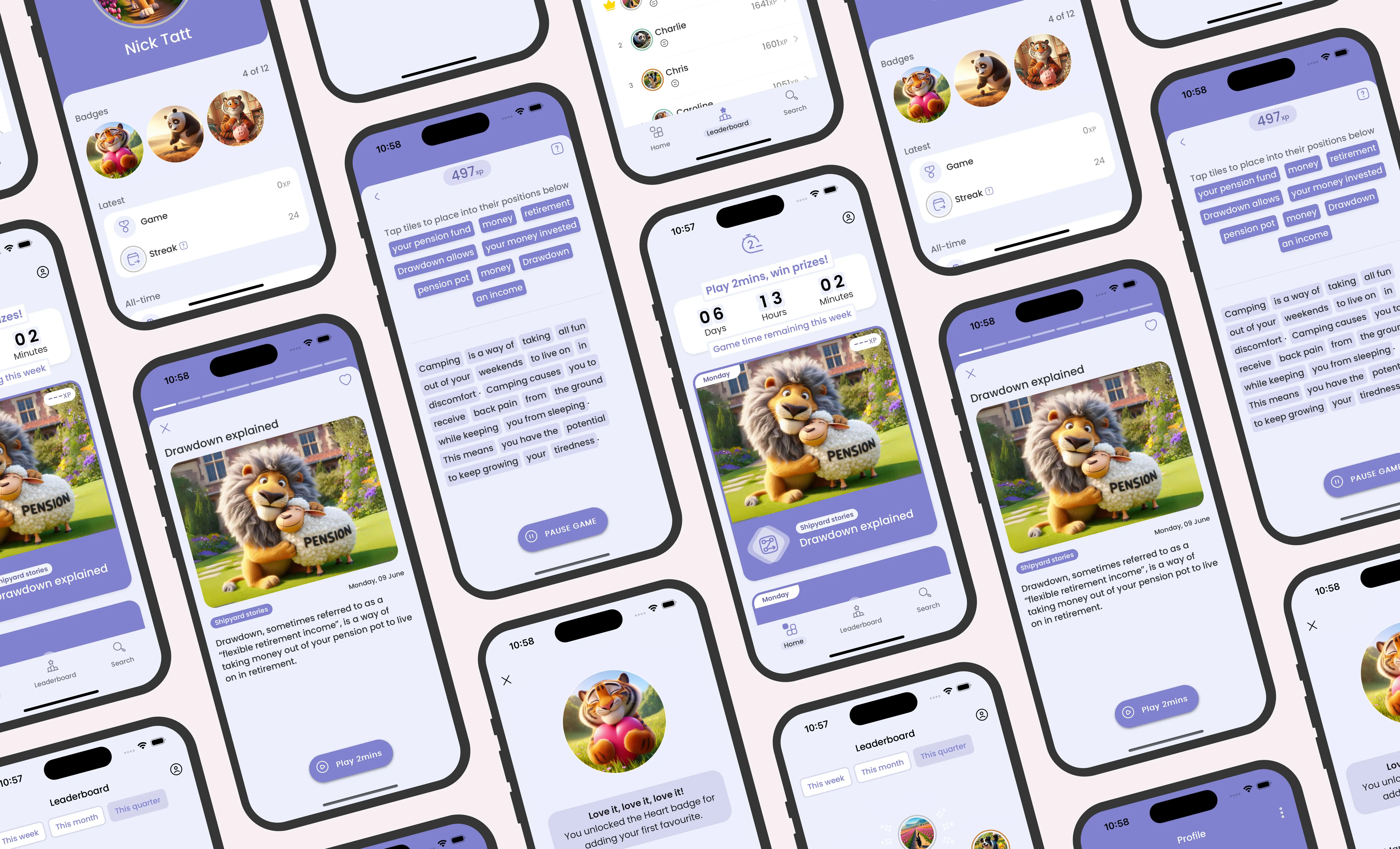
Social Features & Gamification - Fitness apps thrive on motivation and community. We implement proven engagement features including activity feeds showing friends' workouts and achievements, challenges and competitions with leaderboards and prizes, achievement badges and milestone celebrations, goal setting and progress tracking with visual feedback, social sharing to Facebook, Instagram, Twitter, and Strava, commenting and kudos for peer support and motivation, club and group features for team activities, personalised recommendations based on activity history and goals, and push notifications timed to maximise engagement and workout reminders. Social features increase retention by 3x - users with connected friends use fitness apps 10x more frequently than solo users.

Workout & Training Plan Systems - We build comprehensive training systems including workout builders with exercise libraries, sets, reps, weights, and rest periods, training plan templates for popular programmes like Couch to 5K, marathon training, and strength building, adaptive programmes adjusting difficulty based on performance and recovery, progress tracking with personal records and performance analytics, interval timer with audio cues and visual feedback, rest day management and recovery tracking, periodisation support for training cycles, and integration with personal trainers for coached programmes. Whether building workout apps for gym-goers, running apps for endurance athletes, or comprehensive training platforms, we create systems that guide users from beginner to advanced levels.

Nutrition & Wellness Features - Many fitness apps expand beyond activity tracking into nutrition, meal planning with calorie and macro tracking, food diary with barcode scanning and photo recognition, recipe libraries with nutritional information, hydration tracking and reminders, supplement logging, integration with nutrition APIs like MyFitnessPal and Nutritionix, calorie burn calculations based on activity and biometrics, weight management with goal tracking and trend analysis, and mindfulness features including meditation, stress tracking, and sleep monitoring. Holistic wellness apps addressing nutrition, activity, sleep, and mental health create comprehensive health solutions users rely on daily.

Nutrition & Meal Planning - Nutrition apps help users make better food choices through meal planning, recipe guidance, and dietary tracking. We built Baby Led Weaning Cookbook which reached #1 in the App Store Lifestyle category, demonstrating our ability to create engaging nutrition apps that rank highly. We build recipe and meal planning apps with searchable databases, cooking instructions, shopping lists, and nutritional information, dietary restriction apps supporting allergies, intolerances, and preferences (vegan, vegetarian, gluten-free, dairy-free), nutrition tracking apps calculating macros, calories, micronutrients, and providing portion guidance, and specialised nutrition apps for specific needs (diabetes management, pregnancy nutrition, sports nutrition, weight management). Our Baby Led Weaning Cookbook shows we understand niche nutrition markets, create content-rich apps that users trust daily, and build nutrition apps achieving top App Store rankings.

Gym & Studio Management - For gym owners, personal trainers, and fitness studios, we build member management apps including class schedules and booking systems, attendance tracking and check-in, membership management and payments, personal training session scheduling, client progress tracking and workout history, communication tools for announcements and messaging, staff scheduling and management, equipment maintenance tracking, and reporting and analytics for business insights. These apps streamline operations, improve member experience, and increase retention through better engagement and communication.

Analytics & Performance Insights - Data-driven fitness apps provide actionable insights including activity summaries with trends and patterns, performance metrics like VO2 max, training load, and fitness age, recovery analysis suggesting rest days and intensity adjustments, goal progress with visualisations and predictions, comparative analysis against personal bests and peer groups, heart rate zone training with personalised zones, injury risk prediction based on training patterns, and personalised recommendations for workouts, nutrition, and recovery. Advanced analytics transform raw data into insights that help users train smarter, avoid injury, and achieve goals faster.

Multi-Platform Development - Fitness apps need to work everywhere users train. We develop for iOS (iPhone and iPad), Android (phone and tablet), Apple Watch standalone apps with full workout functionality, Wear OS smartwatch apps for Android ecosystem, and web dashboards for detailed analysis and settings management. Our expertise spans both native app development for maximum performance and platform-specific features, and cross-platform frameworks when faster time-to-market is prioritised. Most fitness apps launch iOS first to target premium users with highest engagement, then expand to Android for market coverage.

Track Record - Beyond Map My Tracks, we've delivered fitness and wellness applications for personal trainers, gym chains, sports organisations, wellness brands, and healthcare providers. We understand the unique challenges of fitness apps including battery optimisation for long activities, GPS accuracy in challenging conditions, motivating sustained behaviour change, handling diverse user fitness levels, and creating experiences that users love enough to recommend to friends. Learn more about why fitness organisations trust Tinderhouse for their app development needs.

Our approach to fitness app development

Discovery & User Research

We start by understanding your target users, their fitness goals, and current behaviours. Through research including user interviews with target athletes or gym members, competitive analysis of successful fitness apps, feature prioritisation based on user needs and business goals, persona development defining primary and secondary user types, user journey mapping from motivation to habit formation, and technical requirements for GPS, wearables, and integrations, we ensure we're building features users actually want. Fitness apps succeed by solving real problems - we validate use cases before development begins.

UX Design & Motivation Strategy

Fitness app design goes beyond aesthetics - it's about motivation and habit formation. We design for quick workout logging that doesn't interrupt training, clear progress visualisation showing improvements over time, motivational feedback celebrating achievements and milestones, intuitive navigation that new users grasp immediately, accessibility for users with different fitness levels and abilities, dark mode for early morning or late evening workouts, and gamification elements that maintain long-term engagement without feeling gimmicky. We prototype and user test designs with real athletes to validate the experience drives the behaviour change your app targets.

GPS & Sensor Development

For activity tracking apps, GPS implementation is critical. We develop location services with accuracy optimisation balancing precision with battery consumption, background tracking maintaining location updates during workouts, motion detection identifying activity start/stop automatically, sensor fusion combining GPS, accelerometer, gyroscope, and barometer, altitude calculation using pressure sensors and elevation databases, route smoothing removing GPS jitter and outliers, and offline support caching map tiles and continuing tracking without connectivity. Our GPS systems perform reliably even in challenging conditions like urban canyons, forest trails, and mountain terrain while preserving battery life for marathon-distance activities.

Wearable Integration

We implement wearable connectivity including SDK integration for Apple Watch, Garmin, Fitbit, Polar, and other devices, authentication flows managing user permissions and accounts, data synchronisation with conflict resolution and offline support, real-time data streaming for live heart rate and metrics during workouts, battery optimisation for always-on sensors, firmware compatibility handling multiple device versions and generations, and error handling for connection issues, missing devices, and permission problems. Wearable integration complexity varies by platform - Apple Watch integration takes 3-4 weeks, Garmin Connect API requires 4-6 weeks, and supporting multiple platforms comprehensively requires 8-12 weeks of development and testing across device variants.

Development & Testing

Our agile development process delivers working fitness features quickly including two-week sprints with regular demos and feedback, test-driven development ensuring reliability and accuracy, field testing with real athletes in real conditions, battery testing for long-duration activities, GPS accuracy validation against known routes and distances, device testing across iPhone, Android, and wearable variants, and performance optimisation for smooth animations and responsive UI during workouts. We involve fitness enthusiasts in testing to ensure the app works for real training scenarios, not just lab conditions.

Health Platform Integration

We connect fitness apps to health ecosystems including HealthKit integration for iOS reading and writing health data, workout contributions that update Activity rings, and comprehensive health metrics access, Google Fit API for Android with activity segments, data types, and permission management, synchronisation strategies deciding when to read, write, and update health data, conflict resolution when multiple apps track the same activity, and privacy controls ensuring user data protection and consent. Proper health platform integration increases engagement by making your app part of users' complete health picture rather than an isolated tool.

Launch & User Acquisition

Successful fitness apps require strong launches including app store optimisation with screenshots showing key features, compelling descriptions, and keyword targeting, soft launch with beta testers and early adopters, social media strategy for fitness communities, influencer partnerships with athletes and trainers, content marketing with workout guides and training tips, and paid acquisition campaigns targeting fitness keywords. We advise on launch strategy and can support marketing efforts with landing pages, promotional materials, and growth tactics proven in the fitness app market.

Ongoing Optimisation

Fitness apps improve continuously through user feedback and data analysis including engagement analytics identifying feature usage and drop-off points, performance monitoring tracking app crashes, GPS accuracy, and battery consumption, seasonal updates for New Year resolution season, summer training, and holiday challenges, new workout types expanding supported activities, wearable API updates maintaining device compatibility, competitive analysis tracking market trends and feature innovations, and A/B testing optimising onboarding, subscription flows, and engagement features. Most successful fitness apps iterate monthly, continuously refining the experience based on real user behaviour and feedback.

Our fitness app development credentials

  • Map My Tracks: #1 App Store Health & Fitness app with millions of downloads
  • 20+ years experience: Building fitness and wellness applications since 2003
  • Wearable integration: Apple Watch, Garmin, Fitbit, Polar, Wahoo expertise
  • GPS specialists: Accurate, battery-optimised location tracking at scale
  • Health platform expertise: HealthKit, Google Fit, Samsung Health integration
  • Social & gamification: Engagement features that drive daily active use
  • Multi-platform capability: iOS, Android, wearables, and web development
  • UK-based team: Kent and London, serving fitness organisations worldwide

Frequently asked questions

Fitness app development costs in the UK typically range from £20,000 to £150,000+ depending on features, wearable integration, and platform coverage. Basic workout tracking apps with exercise logging and progress charts cost £20,000-£50,000, GPS-enabled activity tracking apps with route mapping and social features cost £50,000-£90,000, and comprehensive fitness platforms with wearable integration, training plans, and community features cost £90,000-£150,000+.

Key cost factors include GPS tracking and route mapping with battery optimisation (£10K-£25K), wearable device integration including Apple Watch, Garmin, Fitbit, and Polar (£15K-£40K), health platform integration with HealthKit and Google Fit (£8K-£15K), social features including activity feeds, challenges, and leaderboards (£12K-£30K), workout builder and training plan systems (£10K-£25K), nutrition tracking and meal planning (£12K-£25K), video exercise libraries and form guidance (£10K-£20K), and analytics and performance insights (£8K-£18K). Platform choices significantly impact cost: iOS-only development costs £30K-£80K, adding Android increases total by £25K-£60K, and Apple Watch standalone app adds £15K-£30K. Multi-platform development using React Native can reduce total costs by 20-30 percent but may sacrifice some performance and platform-specific features.

Ongoing costs for app store fees, server hosting, wearable API maintenance, and content updates typically range from £800-£3,000 per month. We provide transparent fixed-price quotes after understanding your target users, must-have features, wearable requirements, and platform priorities. Use our app price calculator for an instant estimate.

We develop a comprehensive range of fitness and wellness applications including activity tracking apps for running, cycling, swimming, hiking, and 40+ sports with GPS tracking, route mapping, and performance analytics, gym workout apps with exercise libraries, custom workout builders, set and rep tracking, and personal record tracking, personal training apps connecting trainers with clients for programme delivery, progress monitoring, and communication, yoga and meditation apps with video classes, guided sessions, pose libraries, and mindfulness tracking, nutrition and meal planning apps with calorie tracking, macro management, recipe libraries, and food diary logging, weight loss and wellness apps with goal setting, habit tracking, progress monitoring, and motivation systems, corporate wellness platforms for employee health programmes, challenges, and engagement tracking, studio and gym management apps with class schedules, member check-in, booking systems, and payment processing, wearable companion apps for smartwatches providing standalone workout tracking and real-time metrics, and health monitoring apps integrating with devices to track heart rate, sleep, stress, and recovery metrics.

Each app type requires specific features and integrations - activity tracking apps need GPS and mapping, gym apps need exercise databases and form videos, personal training apps need client management and programme delivery, and nutrition apps need food databases and barcode scanning.

We work with fitness startups launching innovative concepts to established gym chains and wellness brands modernising their digital offerings, ensuring every solution engages users, drives behaviour change, and delivers measurable health outcomes.

Yes, we're wearable integration specialists having built Map My Tracks which connects to every major fitness device. We integrate with Apple Watch using WatchKit for standalone workout tracking, complications showing activity summaries, background heart rate monitoring, HealthKit integration, and Fitness ring contributions, Garmin Connect API for activity sync, advanced training metrics, training load analysis, device authentication, and comprehensive fitness data access covering 100+ Garmin devices, Fitbit Web API for activity tracking, sleep monitoring, heart rate data, weight logs, and food diary synchronisation across Fitbit's device lineup, Polar accessories including H10 chest strap for accurate heart rate, Verity Sense optical sensor, and Polar Flow integration for training programmes and recovery metrics, Wahoo sensors for cycling including power meters, cadence sensors, speed sensors, and heart rate monitors using Bluetooth connectivity, Strava API for segment tracking, social features, athlete challenges, and activity synchronisation across the Strava community, Samsung Health for Galaxy Watch ecosystem with heart rate, sleep, stress, and comprehensive health tracking, and Huawei Health for international markets and Huawei wearable device connectivity.

Integration complexity varies significantly: Apple Watch native app development costs £15K-£30K and takes 4-6 weeks for full standalone functionality with complications and background tracking, Garmin Connect API integration costs £12K-£25K and takes 4-6 weeks including OAuth authentication and data synchronisation, Fitbit API integration costs £10K-£20K and takes 3-4 weeks for basic activity and health data access, and comprehensive multi-device support costs £40K-£80K and takes 12-16 weeks covering multiple platforms with unified data handling. We handle SDK versioning, authentication flows, data synchronisation, offline caching, battery optimisation, firmware compatibility, and the countless edge cases that make wearable integration challenging.

Our Map My Tracks experience means we've already solved problems like maintaining GPS accuracy with watch sensors, optimising battery for 8+ hour activities, handling connection drops gracefully, and synchronising data across phone and wearable without conflicts or data loss.

Fitness app development timelines vary based on features, wearable integration, and platform coverage. Simple workout logging apps take 10-14 weeks, GPS-enabled activity tracking apps with social features take 16-24 weeks, and comprehensive fitness platforms with wearables and training plans take 24-36 weeks.

Our process includes 2 weeks discovery and user research including understanding target users, competitive analysis, feature prioritisation, and defining success metrics, 2-3 weeks UX design and prototyping with wireframes, user flows, motivation strategy, and visual design creating interfaces athletes love, 10-20 weeks development in agile sprints including GPS tracking implementation, wearable SDK integration, health platform connectivity, social features, and backend systems, 2-3 weeks testing and optimisation with field testing by real athletes, GPS accuracy validation, battery optimisation, device compatibility testing across phones and wearables, and performance tuning for smooth UI during workouts, 1-2 weeks app store preparation including screenshots, descriptions, app preview videos, and keyword optimisation for fitness categories, and 1 week launch support with monitoring, bug fixes, and user feedback response. GPS and location features require additional time for accuracy calibration and battery optimisation - tracking marathon-length activities without killing battery requires careful implementation. Wearable integration adds 3-8 weeks depending on device coverage - Apple Watch takes 4-6 weeks, adding Garmin requires 4-6 weeks more, and supporting comprehensive device ecosystem requires 12-16 weeks. For startups and fitness brands needing faster market entry, we recommend MVP approach launching core tracking features first (12-16 weeks, £40K-£70K) then iteratively adding wearables, social features, and advanced analytics based on user feedback and engagement data.

For established fitness organisations with existing communities, we plan comprehensive launches with full feature sets ensuring your app meets user expectations from day one. Time to market matters in fitness apps - New Year resolution season (January) and summer training period (May-June) are peak download times, making strategic launch timing important for user acquisition and initial traction.

For fitness apps in the UK market, we typically recommend iOS-first development for several strategic reasons. iOS users represent 52 percent of UK smartphone market and demonstrate higher fitness app engagement, spend more on app subscriptions and in-app purchases (average £8-12 per month versus £3-5 on Android), are more likely to own wearables like Apple Watch which enhances fitness app value, use apps more consistently creating better retention metrics, and provide higher-quality feedback during initial launch helping refine product-market fit.

Our recommendation: Launch iOS first targeting premium fitness enthusiasts and early adopters who pay for quality fitness apps and actively use features (14-18 weeks, £40K-£80K), then expand to Android capturing broader market including gym chains, corporate wellness, and budget-conscious users (additional 12-16 weeks, £30K-£60K adding native Android). Total native development both platforms: 26-34 weeks, £70K-£140K with maximum performance and platform features. Alternative approach: Use cross-platform framework (React Native) to launch iOS and Android simultaneously saving 20-30 percent development time and cost (18-24 weeks, £50K-£100K) with trade-offs in performance, wearable integration complexity, and access to latest platform features. For fitness apps requiring maximum GPS accuracy, smooth animations during workouts, comprehensive wearable support, and optimal battery performance, we strongly recommend native iOS and native Android development. Native apps provide better access to location services, health platforms, background processing, and sensor APIs critical for fitness tracking. Cross-platform works well for gym management apps, workout logging, and nutrition tracking where location tracking and wearable integration aren't core features.

Many successful fitness apps follow our iOS-first strategy: launch iOS to validate product-market fit and generate revenue with engaged users who provide feedback, iterate quickly based on user behaviour and feedback, achieve App Store featuring and positive reviews establishing credibility, then expand to Android once product-market fit is proven and business model is validated. This approach reduces risk, accelerates learning, and focuses resources on building great experiences for users most likely to engage and pay for fitness apps.

GPS accuracy and battery optimisation are critical for fitness tracking apps. Through Map My Tracks development, we've mastered location tracking including adaptive sampling adjusting GPS polling frequency based on speed and movement - faster sampling during running, slower during walking, sensor fusion combining GPS with accelerometer, gyroscope, and barometer to improve accuracy and fill GPS gaps, Kalman filtering smoothing GPS jitter and removing outliers without oversmooting actual route changes, altitude calculation using barometric pressure sensor providing more accurate elevation gain than GPS alone, motion detection identifying activity start and stop automatically, pausing tracking when stationary to save battery, background tracking maintaining location updates during workouts while minimising battery drain, significant location change monitoring providing coarse updates when high accuracy isn't needed, and deferred location updates batching GPS fixes when real-time display isn't required.

Battery optimisation techniques include adaptive accuracy starting with lower accuracy GPS, increasing to high accuracy only when movement detected, intelligent wake locks preventing phone sleep during active workouts while allowing sleep during rest periods, reduced UI updates throttling screen refreshes when app is in background, sensor management activating only needed sensors (GPS, heart rate, accelerometer) based on activity type, location timeout stopping GPS after extended stationary periods, and power-aware mode offering reduced accuracy mode for ultra-long activities. Our GPS implementation provides accuracy within 10-20 metres for open areas and 20-40 metres in urban canyons or forest cover, achieving 8+ hours of continuous tracking on full battery charge, maintaining background tracking during phone calls and app switches, handling GPS signal loss gracefully with interpolation, and synchronising route data reliably even with connectivity issues.

Implementation complexity: Basic GPS tracking costs £8K-£15K and takes 2-3 weeks, battery-optimised tracking for long activities costs £12K-£20K and takes 3-4 weeks, and comprehensive sensor fusion with altitude and motion detection costs £18K-£30K and takes 4-6 weeks with extensive field testing across device models and GPS conditions. Our Map My Tracks experience means we've solved edge cases like maintaining tracking through tunnels, handling airplane mode, recovering from app crashes, and preventing phantom GPS jumps that create inaccurate distance calculations.

Social features dramatically increase fitness app engagement and retention. Research shows users with connected friends use fitness apps 10x more frequently than solo users, creating powerful network effects. We implement proven social features including activity feeds showing friends' workouts with maps, photos, and stats in reverse chronological order, kudos and comments allowing users to encourage friends and celebrate achievements, challenges and competitions with leaderboards for steps, distance, calories, or custom metrics over weekly or monthly periods, clubs and groups for running clubs, cycling teams, gym communities, or interest-based groups, direct messaging for workout planning, motivation, and accountability partnerships, social sharing to Facebook, Instagram, Twitter, and Strava with customisable privacy controls, friend suggestions based on location, mutual connections, and similar fitness interests, achievement badges and milestones with automatic sharing and celebration, public profiles showcasing stats, personal records, and recent activities, and team challenges for corporate wellness, charity events, or friendly competition. Social feature implementation costs £12K-£30K and takes 4-6 weeks including backend infrastructure for feeds, notifications, and real-time updates.

Key considerations include privacy controls allowing users to set workout visibility (public, friends-only, private), separate privacy for location data, photos, and personal information, photo and content moderation preventing inappropriate content in public feeds, notification preferences managing frequency and types of social alerts, and anti-cheating measures detecting GPS manipulation, fraudulent activities, and bot accounts. Social features increase retention dramatically - users with 3+ connected friends show 3x higher 90-day retention compared to solo users, monthly active users with social connections are 5x more likely to subscribe to premium features, and word-of-mouth referrals from social features reduce customer acquisition costs by 40-60 percent. However, social features require ongoing moderation, community management, and feature development to maintain engagement.

We recommend launching core fitness tracking first, then adding social features once you have critical mass of users to ensure friends can find friends and challenges have sufficient participants for engagement.

Yes, health platform integration is essential for fitness apps to work seamlessly with users' complete health tracking. We integrate with Apple HealthKit providing comprehensive health data access including workouts with detailed activity types (running, cycling, swimming, strength training, yoga, and 100+ activities), activity and exercise minutes contributing to Activity rings and daily movement goals, heart rate data for zone training and intensity monitoring, active and resting energy burn for calorie tracking, distance, pace, and speed metrics for endurance activities, body measurements including weight, body fat percentage, and BMI, nutrition data for calorie and macro tracking, sleep analysis and recovery metrics, mindfulness minutes for meditation and stress management, and reproductive health for female athletes tracking menstrual cycles, Google Fit API for Android ecosystem including activity segments with automatic activity recognition, data types for steps, distance, calories, heart rate, and custom metrics, session API for workout recording and retrieval, goals API for daily step and activity goals, and recording API for real-time data streaming during workouts, Samsung Health for Galaxy device users with comprehensive health tracking, device integration, and Samsung wearable connectivity, and Huawei Health for international markets and Huawei device ecosystem integration.

Health platform integration provides significant benefits including consolidated health data showing complete health picture across multiple apps and devices, Activity ring contributions motivating users through iOS Activity app integration, automatic workout detection reducing friction to start tracking, permission-based sharing with trainers, coaches, or healthcare providers, and reduced data entry as users can sync weight, nutrition, and sleep from other apps. Implementation approach varies by platform: HealthKit integration costs £8K-£15K and takes 2-3 weeks including proper permission requests, read/write logic, and workout contribution setup, Google Fit API costs £6K-£12K and takes 2-3 weeks for basic implementation, and comprehensive multi-platform health integration costs £15K-£25K and takes 4-6 weeks covering iOS, Android, and conflict resolution when multiple apps track same activities.

Critical considerations include user permissions requiring clear explanations of why health data access is needed and what data will be read versus written, conflict resolution deciding which data source is authoritative when multiple apps track workouts, workout deduplication preventing double-counting when users track with multiple apps simultaneously, and privacy protection ensuring health data is handled securely and never shared without explicit consent. Proper health platform integration increases engagement by 25-40 percent as users appreciate apps that work within their existing health tracking rather than requiring complete migration to new systems.

Yes, fitness apps require continuous maintenance and feature development to maintain engagement and competitive advantage. We provide comprehensive ongoing support including iOS and Android OS updates maintaining compatibility with new iOS and Android versions released annually, wearable API updates as Apple Watch, Garmin, Fitbit evolve their SDKs and authentication, health platform changes for HealthKit and Google Fit API modifications, GPS and mapping updates improving accuracy and adding features, seasonal content including New Year challenge campaigns, summer training programmes, and holiday motivation features, performance optimisation improving battery life, GPS accuracy, and UI responsiveness, bug fixes responding to user reports and crash analytics, feature enhancements adding user-requested capabilities and competitive features, security updates protecting user health data and authentication, analytics monitoring tracking engagement metrics, retention, and feature usage, and app store optimisation updating screenshots, descriptions, and keywords for visibility.

Maintenance packages for fitness apps start from £250/month for basic OS updates and critical bugs. Fitness apps require higher maintenance levels than many app categories due to wearable ecosystem changes requiring frequent SDK updates and compatibility testing, seasonal engagement patterns needing campaigns during resolution season, summer training, and holiday periods, competitive pressure from established players like Strava, Nike Run Club, and MyFitnessPal requiring continuous feature development, user expectations for new workout types, training plans, and analytics features, and health platform evolution as Apple and Google expand HealthKit and Google Fit capabilities.

Successful fitness apps iterate continuously - Map My Tracks releases updates monthly, continuously refining GPS accuracy, adding wearable support, implementing user-requested features, and optimising engagement. We provide monthly performance reports showing active users, retention metrics, engagement patterns, feature usage, GPS accuracy statistics, and business impact, regular feature roadmap reviews prioritising development based on user feedback and competitive analysis, and proactive recommendations for seasonal campaigns, engagement optimisation, and growth strategies. Learn more about why fitness organisations trust Tinderhouse for apps that continuously improve and maintain user engagement through expert ongoing development and optimisation.

Successful fitness apps balance motivation, accuracy, and habit formation. Critical success factors include accurate tracking where GPS, sensors, and calculations provide reliable data users trust for training decisions, motivational design using progress visualisation, achievement celebrations, streak tracking, and goal setting to drive behaviour change, social features creating accountability, community, and friendly competition that increases retention by 3-5x, simple onboarding getting users to first successful workout within 5 minutes without complex setup, excellent battery life allowing full workouts without phone dying, wearable integration working seamlessly with Apple Watch, Garmin, and other devices users already own, personalised experiences adapting to fitness level, goals, and preferences rather than one-size-fits-all approaches, and clear value proposition solving specific problem better than alternatives whether GPS accuracy, training plans, or community.

From our fitness app experience with Map My Tracks, user retention depends on first workout experience where users who complete first tracked activity have 10x higher 30-day retention than those who don't, frequency of use where apps used 3+ times per week show 70 percent 90-day retention versus 15 percent for occasional users, social connections where users with 3+ connected friends show 80 percent 90-day retention versus 25 percent for solo users, and achievement milestones where users who reach first distance or time milestone continue using app for months versus dropping off after few workouts. The fitness app market is highly competitive with established players like Strava, Nike Run Club, MyFitnessPal, Fitbit, and hundreds of specialised apps.

Success requires differentiation through specific niche focus like marathon training, CrossFit tracking, cycling performance, or yoga practice rather than trying to be everything to everyone, superior tracking technology providing better GPS accuracy, wearable integration, or metric calculations, unique community building dedicated user base through challenges, clubs, or coaching, exceptional user experience making complicated fitness tracking simple and motivational, or strategic partnerships with gyms, races, or fitness brands providing distribution and credibility.

We'll help define your fitness app differentiation, validate it with target users through prototype testing and focus groups, and build apps that engage users, drive behaviour change, and create sustainable fitness habits. Success isn't just downloads - it's daily active users, long-term retention, and genuine health outcomes that create word-of-mouth growth and recurring revenue through subscriptions, making your fitness app a business that helps people lead healthier lives.

Some of our latest work

Check out what our clients say about working with Tinderhouse.