With millions of apps available for download, users have high expectations and little patience for poorly designed or confusing interfaces.
UX design focuses on understanding users' needs and behaviours: essential for ios app development services where platform-specific interactions define the product's success. It is about creating an interface that is intuitive, efficient, and enjoyable to use.
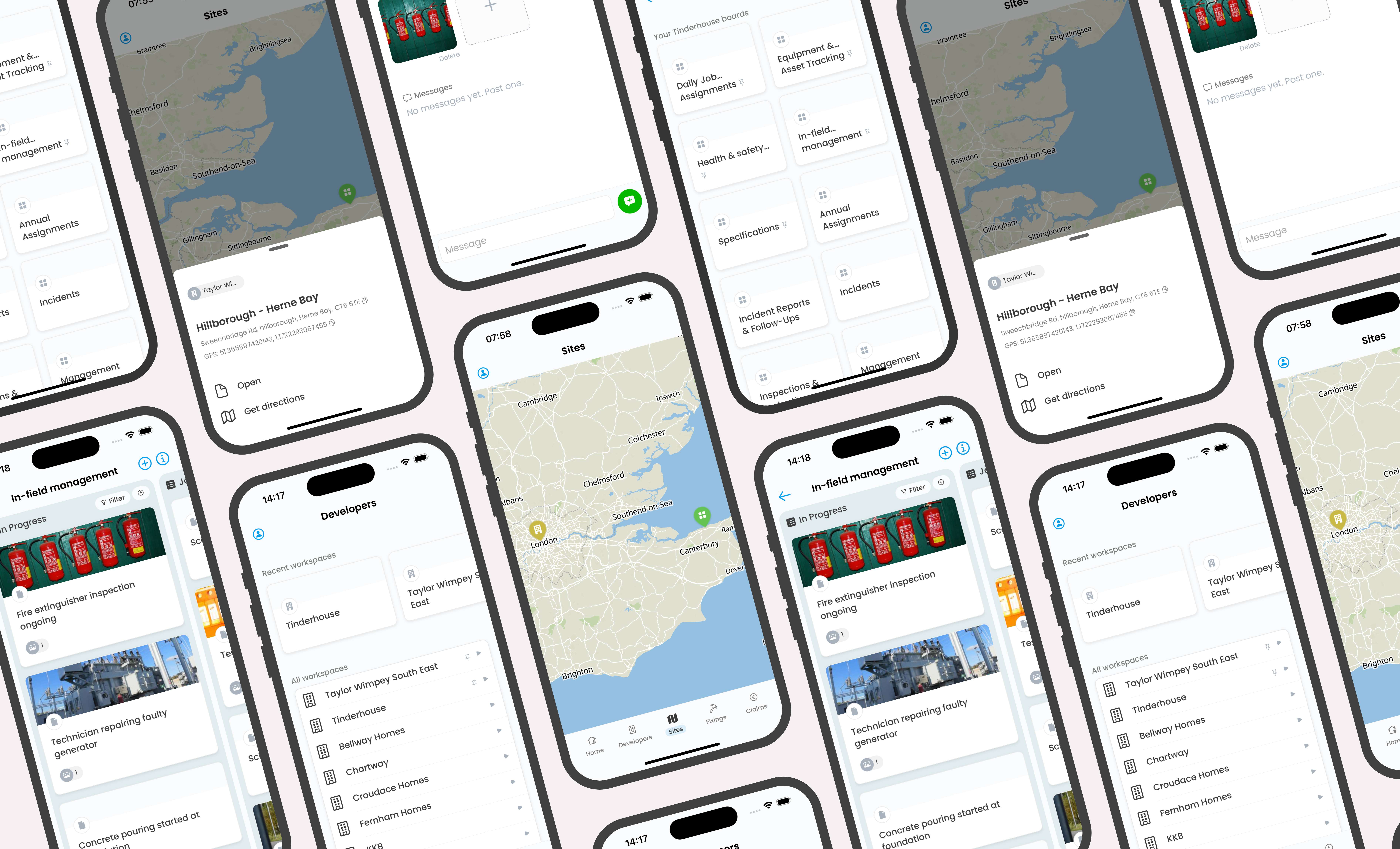
Superior UX design is critical when managing high-stakes environments. For D&D Carpentry, we engineered a custom field workforce solution that replaced complex paperwork with an intuitive mobile interface: allowing remote teams to manage job specifications and health and safety compliance with zero friction in the field.
View the full case study: D&D Carpentry
Investing in high-quality UX design is essential, particularly during mvp app development to ensure early adopters find immediate value in the product.
Benefits of UX Design in App Development
Increased User Engagement: A well-designed app that is easy to use and provides value to users will encourage them to engage with it more frequently and for longer periods.
Reduced User Frustration: UX design helps to create an app that is easy to navigate: a core principle we apply to SaaS development to ensure complex workflows remain intuitive. This reduces user frustration and increases overall satisfaction.
Improved User Retention: Users are more likely to continue using an app that they find easy to use and provides a positive experience. This leads to higher user retention rates and a more successful app.
Enhanced Brand Reputation: A well-designed app reflects positively on the brand behind it, creating a positive impression and building trust with users.
Lower Development Costs: By addressing user needs and potential issues early in the design process, UX design can help to avoid costly changes and rework later in development.
Key Principles of UX Design
User-Centred Design: Focus on understanding the needs and goals of the target users and creating an app that meets those needs.
Simplicity and Clarity: Keep the interface simple and easy to understand, avoiding clutter and unnecessary complexity.
Consistency: Use consistent design elements and patterns throughout the app to create a familiar and predictable experience.
Accessibility: Ensure that the app is accessible to users with disabilities by following accessibility guidelines and standards.
Feedback and Iteration: Gather user feedback throughout the design process and use it to iterate and improve the UX design.
Conclusion
UX design is an essential part of the app development process and can make a significant difference in the success of an app. By focusing on creating an interface that is intuitive, efficient, and enjoyable, developers can create apps that users love and continue to use.
Investing in UX design is not just about making an app look good (it is about creating a product that provides a positive and meaningful experience for its users). At Tinderhouse, our Kent and London-based engineering teams integrate UX from the very first wireframe to ensure long-term platform stability.
Need an app or website?
Get in touch to discuss how we can help create an app of your own or find out how our Fractional Product Team can support your development journey from MVP through to scale.