On-Demand App Development | Delivery, Logistics & Service Apps

On-demand app developers in Kent & London. Specialist in food delivery, logistics platforms, service booking, and marketplace apps since 2003.

We're on-demand app developers based in Kent, serving London and the UK. With 20+ years of experience building real-time delivery platforms and service marketplaces, we deliver food delivery apps, logistics solutions, ride-hailing platforms, home services booking, and on-demand marketplaces that connect customers with service providers instantly.

From GPS tracking and route optimisation to payment processing and dispatch systems, we combine proven on-demand expertise with cutting-edge technology. Whether you need Uber-like ride booking, Deliveroo-style food delivery, or custom service marketplace platforms, our UK-based team specialises in real-time location tracking, automated dispatch, driver management, customer-provider matching, instant notifications, and creating seamless experiences that users love and service providers depend on.

The on-demand economy is projected to reach $335 billion by 2025. We build delivery and service platforms that capture this massive market opportunity.

Tinderhouse - At a glance

On-demand app development

Everything you need to know about working with us.

Experience
20+ years | GPS tracking experts | Real-time platforms
Investment
£20K-£200K depending on features
Timeline
18-40 weeks including integrations
Technology
Real-time GPS, payment processing, dispatch
Specialties
Food delivery, logistics, ride-hailing, services
Location
Canterbury, Kent & London
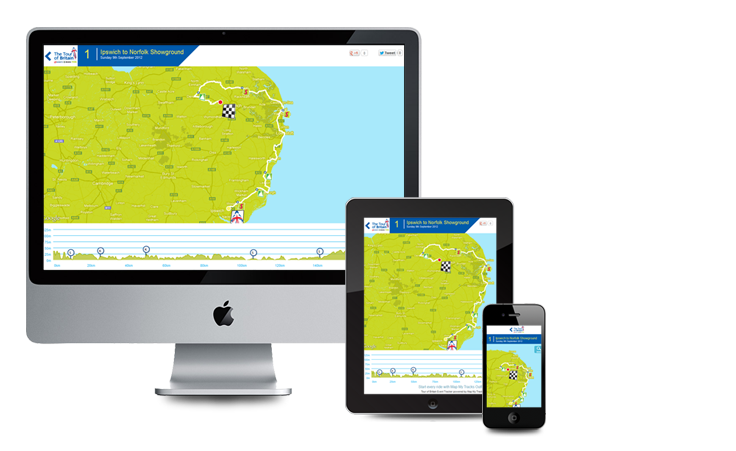
MAP MY TRACKS
Featured
App Store
BABY LED WEANING COOKBOOK
#1 App
App Store (Lifestyle)
MAP MY TRACKS
#1 App
App Store (Fitness)

Our app and website design and development expertises

AI integration specialists
Web service connections
Back-end database integration
Innovative UX/UI design

Our app and website solutions are helping businesses grow, be more efficient and sell more. Talk to us about your project. Call us on +44 (0)1227 811771.

Why use Tinderhouse for on-demand app development?

Here are just some of the reasons why we think we're a good fit for your on-demand app project.

On-Demand Platform Expertise - We specialise in building multi-sided marketplaces connecting customers, service providers, and delivery drivers in real-time. Our on-demand expertise spans three-sided marketplace architecture (customer app, provider app, admin dashboard), real-time matching algorithms pairing customers with optimal providers based on location, availability, ratings, and preferences, automated dispatch systems assigning orders intelligently and handling reassignments when providers decline, dynamic pricing with surge pricing during peak demand and discounts during slow periods, commission management calculating platform fees, provider earnings, and automated payouts, and rating and review systems maintaining service quality through customer feedback and provider performance metrics. We understand the complex business logic, real-time coordination, and operational challenges that make on-demand platforms successful.

Real-Time GPS Tracking & Location Services - Accurate, real-time location tracking is fundamental to on-demand delivery apps. Through our Map My Tracks development, we've mastered location services including live tracking showing provider location updates in real-time on customer maps, route optimization calculating fastest routes accounting for traffic, road closures, and multiple stops, geofencing triggering automatic notifications when providers arrive at pickup or delivery locations, ETA calculations providing accurate delivery time estimates that update dynamically, background location tracking maintaining provider location even when app is backgrounded, battery-optimised tracking balancing location accuracy with device battery consumption, and offline handling maintaining functionality when connectivity is lost. Our GPS implementation delivers the reliability and accuracy users expect from established platforms like Uber and Deliveroo.

Payment Processing & Financial Systems - On-demand apps require robust payment infrastructure including payment gateway integration with Stripe, Worldpay, Adyen for card processing and digital wallets, split payment systems dividing transaction amounts between platform commission and provider earnings, automated payouts scheduling regular transfers to provider bank accounts, wallet systems allowing customers to preload funds for faster checkout, refund processing handling cancelled orders and service complaints, dynamic pricing engines calculating costs based on distance, time, demand, and promotions, invoice generation providing receipts and payment history, fraud detection monitoring suspicious patterns and preventing payment abuse, and PCI DSS compliance ensuring secure card data handling and tokenisation. We implement payment systems that support your business model whether taking fixed commission, subscription fees, or transaction percentages.

Dispatch & Order Management - Efficient dispatch systems maximise provider utilisation and customer satisfaction. We build intelligent dispatch including automated order assignment using algorithms to match orders with optimal available providers, manual dispatch allowing admin override when automation needs human judgment, batch ordering assigning multiple orders to single provider for efficient routing, priority queuing handling rush orders and VIP customers preferentially, capacity management tracking provider availability and preventing overload, order tracking providing real-time status updates through pickup, transit, and delivery, cancellation handling managing customer cancellations, provider no-shows, and order reassignments, and escalation procedures notifying managers when orders face delays or issues. Smart dispatch reduces delivery times by 20-30 percent and increases provider earnings through better utilisation.

Driver/Provider Management - For gig economy platforms, provider management is critical including onboarding and verification with document checks, background screening, and vehicle inspection, shift management allowing providers to set availability and accept orders when active, earnings dashboards showing real-time earnings, completed orders, ratings, and pending payouts, performance metrics tracking acceptance rates, completion times, customer ratings, and reliability, incentive programmes with bonuses for peak hours, high ratings, or volume targets, support ticketing enabling providers to report issues and request assistance, training resources providing guides, videos, and best practices for new providers, and compliance tracking ensuring insurance, licensing, and certifications remain current. Good provider experiences reduce churn and improve service quality through engaged, motivated service providers.

Customer Experience & Engagement - On-demand apps live or die on customer experience. We implement features including order history showing past orders for easy reordering and dispute resolution, saved addresses for home, work, and frequent locations, favourites and preferences remembering preferred restaurants, providers, or settings, scheduled orders allowing advance booking for specific times, live chat enabling customer-provider communication during service delivery, push notifications providing order updates, promotional offers, and re-engagement messaging, loyalty programmes rewarding frequent customers with points, discounts, or free delivery, and referral systems incentivising customer acquisition through friend invitations. Features like real-time tracking and accurate ETAs aren't just nice-to-have - they're expected by users familiar with Uber and Deliveroo experiences.

Admin Dashboard & Operations - Platform operators need comprehensive management tools including real-time monitoring showing active orders, provider locations, and system status on live dashboards, analytics and reporting tracking orders, revenue, provider performance, and customer behaviour, customer support tools managing complaints, refunds, and dispute resolution, provider management including approval, suspension, and performance reviews, promotion management creating discount codes, surge pricing rules, and marketing campaigns, content management updating restaurant menus, service descriptions, pricing, and availability, financial reconciliation tracking commission, payouts, refunds, and revenue across providers, and system configuration managing operational hours, service areas, and business rules. Good admin tools enable operators to run efficient operations at scale as the platform grows.

Restaurant & Merchant Integration - For food delivery and retail on-demand apps, merchant integration is essential including POS integration connecting with Square, Toast, Lightspeed, and other point-of-sale systems for automatic order routing, menu management allowing restaurants to update dishes, prices, availability, and special offers, order acceptance workflows letting restaurants confirm orders and set preparation times, kitchen display systems providing screens showing incoming orders in kitchen workflow, inventory management tracking stock levels and disabling out-of-stock items automatically, multi-location support managing chains with multiple branches and separate menus, commission structures with flexible models including flat fees, percentage, or hybrid approaches, and performance dashboards showing restaurant metrics, customer feedback, and order trends. Seamless merchant integration reduces manual work and improves order accuracy.

Scalability & Performance - On-demand platforms must handle traffic spikes during peak hours. We build for scalability including cloud infrastructure using AWS, Google Cloud, or Azure with auto-scaling to handle demand surges, real-time websockets maintaining persistent connections for live location updates without polling, caching strategies reducing database load for frequently accessed data like restaurant menus, load balancing distributing traffic across servers to prevent bottlenecks, database optimisation with indexing, query tuning, and read replicas for performance, monitoring and alerting tracking system health and notifying teams of issues before users notice, and disaster recovery with backups, failover systems, and incident response procedures. Our platforms handle lunch and dinner rush hours processing hundreds of concurrent orders reliably without slowdowns or crashes.

Multi-Platform Development - On-demand apps require multiple applications working together. We develop for customer apps on iOS and Android providing beautiful, intuitive ordering experiences, provider apps for delivery drivers or service providers managing orders and navigation, web platforms for browsing, ordering, and account management on desktop, and admin dashboards for operations, support, and business intelligence. Our experience spans both native development for maximum performance and platform-specific features, and cross-platform frameworks when faster time-to-market is prioritised. Most on-demand platforms launch with iOS and Android simultaneously to avoid limiting market reach, especially in the UK where Android has significant market share.

Track Record - We've delivered on-demand applications for food delivery startups, logistics companies, home services marketplaces, healthcare on-demand platforms, and gig economy businesses. We understand the unique challenges of on-demand apps including real-time coordination between users and providers, payment splitting and commission management, GPS accuracy and battery optimisation for continuous tracking, surge pricing and dynamic rate calculation, provider retention through fair earnings and good experience, and scaling operations as order volume grows. Learn more about why on-demand businesses trust Tinderhouse for platforms that handle thousands of orders daily reliably and efficiently.

Our approach to on-demand app development

Discovery & Business Model Definition

We start by understanding your on-demand business model, target market, and operational requirements. Through discovery workshops including defining user roles (customers, providers, admins) and their needs, mapping order lifecycle from request through fulfillment to payment, establishing pricing model with commission structure, surge pricing, and discounts, identifying service area and geographic coverage for launch and expansion, determining provider requirements for onboarding, verification, and management, and planning operational processes for customer support, disputes, and quality control, we ensure the platform supports your business model and operational realities. On-demand businesses require careful planning around unit economics, provider supply, and customer demand before development begins.

UX Design & User Flows

On-demand apps must be simple despite complex backend operations. We design for customer experience optimising for speed from open to order confirmation in under 60 seconds, provider experience making order acceptance and navigation effortless, admin workflows enabling efficient operations and support, and cross-platform consistency ensuring similar experiences on iOS, Android, and web. We prototype critical flows including order placement and payment, provider acceptance and navigation, live tracking and ETA updates, and problem resolution, then validate designs with target users through usability testing and feedback sessions ensuring the experience is intuitive for both tech-savvy and less technical users.

Architecture & Technical Planning

On-demand platforms have complex technical requirements. We design architecture including real-time infrastructure with websockets or push technology for instant updates, matching algorithms optimising provider assignment based on location, availability, and performance, payment processing with secure handling of transactions, splits, and payouts, location services balancing GPS accuracy with battery consumption, scalability planning for growth from launch through thousands of daily orders, and database design supporting high-throughput reads and writes for orders, locations, and user data. Proper architecture decisions at the start prevent costly rebuilds as your platform scales.

Development & Integration

Our agile development delivers working functionality quickly including two-week sprints with regular demos showing progress, API-first development ensuring mobile apps, web, and admin tools all connect seamlessly, third-party integrations for payments (Stripe, Worldpay), maps (Google Maps, Mapbox), SMS (Twilio), and analytics (Mixpanel, Amplitude), automated testing validating critical paths like ordering, payment, and dispatch, and continuous integration deploying updates rapidly while maintaining stability. We prioritise MVP features like basic ordering, payment, and tracking before adding advanced features like loyalty programmes or dynamic pricing once core functionality is proven.

Provider Onboarding & Operations Setup

On-demand platforms need provider supply before launch. We support operational launch including onboarding workflows for provider sign-up, document verification, and training, operations playbook documenting processes for common scenarios and edge cases, support systems providing FAQs, chat support, and escalation procedures, training materials including videos, guides, and best practices for providers and support staff, and soft launch with limited geography and provider base to validate operations before full launch. The best technology fails without proper operational setup ensuring providers understand how to use the platform and customers receive reliable service.

Testing & Quality Assurance

On-demand apps require rigorous testing including functional testing validating all features work correctly across user types, GPS accuracy testing ensuring tracking performs reliably across locations and device types, payment testing verifying transactions, splits, and payouts process correctly, load testing simulating peak demand with hundreds of concurrent orders, edge case testing handling network failures, GPS loss, and unusual scenarios, and field testing with real providers completing actual orders to validate end-to-end experience. We catch issues before launch because problems with real orders involving real money and real service providers damage reputation quickly.

Launch & Growth Support

Successful on-demand launches require coordination including geographic rollout starting in limited area to manage supply and demand, provider recruitment through incentives, referrals, and partnerships, customer acquisition via targeted marketing, promotions, and partnerships, real-time monitoring during launch to catch and resolve issues immediately, and iterative optimisation adjusting matching algorithms, pricing, and features based on real usage data. We provide launch support with dedicated availability, rapid issue resolution, and performance tuning to ensure smooth operations from day one.

Ongoing Optimisation & Scaling

On-demand platforms improve continuously through data and feedback including analytics monitoring tracking orders, conversions, provider utilisation, and customer retention, matching algorithm refinement improving assignment speed and provider selection, pricing optimisation testing different models, surge multipliers, and promotions, feature development adding requested capabilities and competitive features, geographic expansion launching new cities or service areas, provider tools enhancing earnings, route optimization, and experience, and performance tuning maintaining speed and reliability as order volume grows. Most successful on-demand platforms iterate weekly, continuously refining operations and algorithms to improve metrics like delivery time, provider earnings, and customer satisfaction.

Our on-demand app development credentials

  • 20+ years experience: Building marketplace and service platforms since 2003
  • GPS tracking expertise: Real-time location proven in Map My Tracks with millions of users
  • Payment integration: Stripe, Worldpay, Adyen, split payments, and commission management
  • Dispatch systems: Automated matching and assignment algorithms
  • Multi-sided marketplaces: Customer, provider, and admin applications
  • Real-time infrastructure: Websockets, push notifications, and live updates
  • Scalable architecture: Cloud infrastructure handling thousands of daily orders
  • UK-based team: Kent and London, serving on-demand businesses across the UK

Frequently asked questions

On-demand app development costs in the UK typically range from £20,000 to £200,000+ depending on marketplace complexity, real-time features, and platform coverage. Basic service booking apps with simple provider-customer matching cost £20,000-£80,000, comprehensive food delivery or logistics platforms with GPS tracking and payment integration cost £80,000-£140,000, and advanced multi-sided marketplaces with dynamic pricing, route optimisation, and provider management cost £140,000-£200,000+.

Key cost factors include real-time GPS tracking with live provider location updates and battery optimisation (£12K-£30K), automated dispatch and matching algorithms assigning optimal providers (£15K-£35K), payment processing with split payments, commission management, and automated payouts (£15K-£30K), multi-sided marketplace requiring customer app, provider app, and admin dashboard (£40K-£80K), route optimisation calculating fastest paths and handling traffic (£10K-£25K), push notifications for order updates, provider alerts, and customer engagement (£8K-£15K), rating and review systems maintaining service quality (£8K-£15K), and analytics dashboards tracking orders, revenue, and provider performance (£10K-£20K).

Platform choices significantly impact cost: native iOS and Android development costs £80K-£150K total providing best performance and GPS accuracy, cross-platform development (React Native) costs £60K-£110K saving 20-30 percent but with potential performance trade-offs, and web platform for desktop ordering adds £20K-£40K. Three applications are typically required: customer app for ordering and tracking (£30K-£60K), provider app for accepting orders and navigation (£25K-£50K), and admin dashboard for operations management (£20K-£40K). Ongoing costs for server hosting, SMS/push notifications, payment processing fees, and maintenance typically range from £1,500-£5,000 per month depending on order volume and features.

We provide transparent fixed-price quotes after understanding your marketplace model, user types, geographic coverage, and must-have features. Use our app price calculator for an instant estimate.

We develop comprehensive on-demand platforms across multiple industries including food delivery apps like Deliveroo, Uber Eats, and Just Eat with restaurant menus, real-time tracking, and multi-restaurant ordering, ride-hailing apps like Uber and Lyft with driver matching, fare calculation, and route navigation, logistics and courier apps for package delivery, same-day shipping, and last-mile delivery with proof of delivery, grocery delivery apps with product catalogues, inventory management, and scheduled deliveries, home services marketplaces connecting customers with cleaners, plumbers, electricians, handymen, and beauty professionals, healthcare on-demand including doctor consultations, prescription delivery, and home nursing services, alcohol and pharmacy delivery with age verification and prescription validation, laundry and dry cleaning pickup and delivery services, pet services including dog walking, grooming, and veterinary house calls, and rental marketplaces for cars, equipment, accommodation, and goods. Each on-demand vertical requires specific features - food delivery needs restaurant POS integration and hot food timing, ride-hailing requires background checks and vehicle inspection, home services need skill verification and insurance validation, and healthcare demands HIPAA compliance and professional licensing verification.

We work with startups disrupting traditional service industries to established businesses launching on-demand channels, ensuring every marketplace balances customer convenience, provider economics, and operational scalability. The on-demand model works for any service that benefits from instant access, transparent pricing, and quality assurance through ratings, making it applicable to industries far beyond the well-known food delivery and ride-hailing categories.

Real-time GPS tracking in on-demand delivery apps requires sophisticated location infrastructure balancing accuracy, battery consumption, and user experience. Our implementation includes continuous location updates from provider devices sending position every 5-15 seconds during active deliveries, websocket connections maintaining persistent server links enabling instant location broadcast to customers without polling, map rendering displaying provider location on customer maps with smooth movement animations, ETA calculations updating estimated arrival times dynamically based on current location, speed, and route distance, geofencing triggering automatic events when provider reaches pickup location, arrives at delivery address, or enters defined zones, background tracking maintaining location updates even when provider app is minimised or phone is locked, and battery optimisation using motion detection, adaptive sampling, and intelligent wake locks to extend battery life during 8+ hour shifts.

Technical implementation spans provider location capture using iOS Core Location or Android Location Services configured for high-accuracy continuous tracking, location transmission sending coordinates, bearing, speed, and accuracy to backend via websockets or HTTPS, server processing validating locations, calculating ETAs, detecting arrivals, and broadcasting to relevant customers, customer map display showing provider movement with interpolation for smooth animations between updates, and offline handling buffering locations when connectivity lost and syncing when connection restored. Battery optimisation is critical for provider experience - poor implementation draining battery in 2-3 hours causes provider churn.

We implement strategies including adaptive accuracy reducing GPS precision when stationary or moving slowly, motion detection pausing location updates when provider is at rest, deferred updates batching location fixes when immediate broadcasting isn't needed, and geofence monitoring using efficient location APIs that wake app only when entering defined zones.

Implementation complexity: basic GPS tracking with customer map view costs £10K-£20K and takes 3-4 weeks, battery-optimised tracking for full-day provider shifts costs £15K-£25K and takes 4-5 weeks, and comprehensive tracking with route optimisation and geofencing costs £20K-£35K and takes 5-7 weeks with extensive field testing across devices and real-world conditions. Our Map My Tracks experience tracking millions of activities provides proven expertise in GPS accuracy, battery management, and handling edge cases like tunnels, tall buildings, and GPS signal loss that make location tracking reliable rather than frustrating.

On-demand app development timelines vary based on marketplace complexity, number of user types, and integration requirements. Simple service booking platforms take 18-24 weeks, comprehensive delivery apps with GPS tracking and payments take 24-32 weeks, and advanced multi-sided marketplaces with dynamic pricing and route optimisation take 32-40 weeks.

Our process includes 2-3 weeks discovery and business model definition including understanding marketplace model, defining commission structure, mapping order lifecycle, planning operational processes, and validating unit economics, 3-4 weeks UX design and prototyping with wireframes for customer, provider, and admin experiences, user flows for critical paths like ordering and delivery, and visual design creating brand-aligned interfaces, 18-28 weeks development in agile two-week sprints including customer app for browsing and ordering (6-8 weeks), provider app for accepting orders and navigation (5-7 weeks), admin dashboard for operations and support (4-6 weeks), backend API and real-time infrastructure (6-8 weeks), and payment integration and commission management (3-4 weeks), 2-3 weeks testing and quality assurance with functional testing across all user types, GPS accuracy validation in real-world conditions, payment testing for transactions and splits, load testing simulating peak demand, and field testing with real providers completing orders, 1-2 weeks operational setup including provider onboarding workflows, support documentation, training materials, and operations playbooks, and 2-3 weeks soft launch with limited geographic area and provider base to validate operations before full rollout.

On-demand platforms require three separate applications working together - customer app, provider app, and admin dashboard - each requiring design, development, and testing, which extends timelines compared to single-user-type apps. Real-time features like GPS tracking, instant notifications, and live order status add complexity requiring websocket infrastructure and careful battery optimisation.

Payment integration with split payments and automated payouts requires careful implementation and thorough testing to ensure financial accuracy. For startups needing faster market entry, we recommend MVP approach launching core ordering, basic GPS tracking, and simple payment (20-24 weeks, £60K-£100K) then iteratively adding route optimisation, dynamic pricing, and advanced provider tools based on real operational learnings and customer feedback. For established businesses with existing operations, we plan comprehensive launches with full feature sets ensuring your platform meets user expectations and operational requirements from day one.

Time to market matters in on-demand - first-mover advantage in a geographic market or service vertical creates network effects through provider supply and customer habit formation that make later entry difficult.

Automated dispatch algorithms are the intelligence behind efficient on-demand marketplaces, matching orders with optimal providers to minimise delivery times while maximising provider utilisation and earnings. Our matching systems consider multiple factors including proximity calculating distance between provider current location and pickup address using haversine formula or road network distances, availability checking provider online status, current order status, and maximum capacity limits, provider performance evaluating acceptance rate, completion time, customer ratings, and reliability history, estimated time accounting for provider's current order completion time before availability for new order, vehicle type matching order requirements with provider capabilities (bike, car, van for different order sizes), special requirements like hot bags for food delivery, refrigeration for groceries, or certifications for alcohol, batch potential identifying opportunities to assign multiple nearby orders to single provider for efficiency, and fairness ensuring orders distribute across providers rather than repeatedly favouring same high performers.

Matching algorithm flow includes order placement triggering matching process immediately when customer confirms order, provider filtering identifying eligible providers based on location (within 5km radius), availability (online and not at capacity), and requirements (vehicle type, certifications), ranking and scoring calculating match quality score for each eligible provider balancing proximity, performance, and fairness, provider notification sending order details to top-ranked providers simultaneously or sequentially with 30-60 second acceptance windows, acceptance handling assigning order immediately when provider accepts or moving to next provider if declined or timeout occurs, and reassignment managing situations where provider cancels after acceptance by returning to matching process.

Implementation approaches range from simple nearest-available algorithms selecting closest online provider (suitable for low-volume operations), to weighted scoring systems balancing multiple factors with configurable weights (standard for most platforms), to machine learning models predicting optimal matches based on historical data patterns (advanced implementations for high-volume platforms). Common enhancements include batch dispatch assigning multiple orders when provider completes current delivery near other pending pickups, time windows respecting customer preferences like ASAP versus scheduled delivery slots, surge zones identifying high-demand areas and prioritising provider movement toward them, and decline penalties reducing provider score temporarily after declining orders to encourage acceptance.

Implementation complexity: basic nearest-available matching costs £8K-£15K and takes 2-3 weeks, weighted multi-factor algorithm costs £15K-£25K and takes 3-5 weeks with testing and tuning, and advanced ML-based matching costs £25K-£40K and takes 6-8 weeks requiring historical data for training. Smart dispatch algorithms improve key metrics dramatically: 20-30 percent faster average delivery times through better provider-order matching, 15-25 percent higher provider earnings through reduced idle time and better utilisation, and 30-40 percent lower customer wait times from efficient assignment reducing provider travel to pickup. The best dispatch systems continuously learn and adapt, incorporating feedback from completed orders, provider behavior patterns, and demand forecasting to improve matching quality over time.

On-demand marketplace payment systems are more complex than standard e-commerce requiring split payments, commission management, and provider payouts. Essential payment features include payment gateway integration connecting with Stripe Connect, Adyen for Platforms, or Worldpay for marketplace payment processing, card tokenisation securely storing customer payment methods for one-click ordering without re-entering cards, split payment logic automatically dividing transaction amounts between platform commission (typically 15-30 percent) and provider earnings (70-85 percent), commission management calculating and collecting platform fees on every transaction with transparent reporting, automated payouts scheduling regular transfers (daily, weekly, or bi-weekly) to provider bank accounts or digital wallets, wallet systems allowing customers to preload funds for faster checkout and providers to accumulate earnings before withdrawal, refund processing handling cancelled orders, service issues, and disputes with automatic or manual approval workflows, dynamic pricing calculating order totals based on distance, time, demand surge, promotions, and service fees, invoice and receipt generation providing customers and providers transaction documentation with itemised breakdowns, fraud detection monitoring suspicious patterns like repeated failed payments, unusual order volumes, or verification mismatches, and PCI DSS compliance ensuring secure card data handling through tokenisation and never storing sensitive information. Implementation considerations include payment provider selection with Stripe Connect offering easiest integration and comprehensive marketplace features (2-3 weeks, £12K-£20K), Worldpay providing enterprise features and UK banking relationships (3-4 weeks, £15K-£25K), and custom payment orchestration supporting multiple providers and payment methods (5-8 weeks, £25K-£40K), marketplace verification completing platform application and verification with payment providers requiring business documentation, bank account verification, and compliance attestations (1-2 weeks setup), provider onboarding and KYC collecting provider bank details, identity verification, tax information, and terms acceptance before enabling payouts, transaction fee structures deciding who pays payment processing fees (platform absorbs, charges customer, or deducts from provider), and financial reconciliation ensuring payments, commissions, refunds, and payouts balance correctly across thousands of transactions.

Advanced payment features include surge pricing multipliers increasing prices during high demand with transparent communication to customers, promotional discounts supporting coupon codes, referral credits, loyalty rewards, and first-order discounts, subscription models for premium features like unlimited free delivery or priority service, tips and gratuities allowing customers to add optional tips with full amount going to providers, and multi-currency support for international operations handling foreign exchange and cross-border payments. Security and compliance requirements include PCI DSS Level 1 compliance for platforms processing significant volume achieved through payment gateway tokenisation, Strong Customer Authentication (SCA) implementing 3D Secure 2.0 for European transactions per PSD2 regulations, fraud prevention tools using machine learning to detect suspicious patterns and prevent payment abuse, and dispute management providing structured processes for chargebacks, service complaints, and refund requests with clear policies and documentation.

Payment system reliability is critical for marketplace trust - failed transactions, incorrect commission calculations, or delayed payouts damage both customer and provider confidence. We implement comprehensive testing validating every payment scenario, monitoring transaction success rates, and providing real-time alerting for payment issues requiring immediate attention. Implementation costs for marketplace payments range from £15K-£30K for basic integration with standard features to £30K-£50K for comprehensive systems with advanced pricing, subscriptions, and multi-currency support, with 4-8 weeks timeline depending on complexity and payment provider selection.

Provider onboarding and verification are critical for marketplace quality and safety. Our onboarding systems include multi-step application workflows guiding providers through registration, document submission, and verification with progress tracking and clear next steps, identity verification checking government-issued ID through automated document scanning, facial recognition matching photos to ID, and background checks for criminal records or driving violations where required, professional credentials validating licenses, certifications, insurance, and qualifications relevant to service type (food handler certificates, trade licenses, professional registrations), vehicle inspection for delivery providers requiring photos of vehicle, insurance documentation, MOT certificates, and registration details, banking setup collecting account details for automated payouts with micro-deposit verification ensuring account ownership, document expiry tracking monitoring insurance, licenses, and certifications with automatic alerts before expiration and suspension if renewals aren't provided, training and orientation providing videos, guides, and assessments ensuring providers understand platform policies, customer service expectations, and operational procedures, and trial periods allowing new providers to complete supervised orders before full platform access with performance evaluation determining approval.

Verification approaches vary by service type with food delivery requiring food hygiene certificates, vehicle insurance, and right to work verification, ride-hailing demanding enhanced DBS checks, private hire licenses, PCO licensing, and comprehensive vehicle inspections, home services needing trade qualifications, public liability insurance, and professional references, and healthcare on-demand requiring professional registrations, indemnity insurance, and DBS enhanced checks. Implementation technologies include document scanning APIs using Onfido, Jumio, or Trulioo for automated ID verification and document validation, background check services integrating with Checkr, Sterling, or DBS for criminal record and employment history verification, insurance verification connecting with insurance databases or requiring policy documentation uploads, and automated decision engines applying approval criteria and flagging applications requiring manual review.

Ongoing compliance management includes periodic reverification requiring document updates annually or when policies change, performance monitoring tracking customer ratings, completion rates, and policy violations, suspension and deactivation providing structured processes for providers failing to meet standards or violating terms, appeal procedures allowing providers to contest decisions with evidence review, and reporting and analytics showing provider pipeline, approval rates, verification bottlenecks, and compliance status. Implementation complexity: basic provider registration with manual verification costs £8K-£15K and takes 2-3 weeks suitable for low-volume launches, automated verification with identity checks and document validation costs £15K-£25K and takes 3-5 weeks providing scalable onboarding, and comprehensive KYC with background checks and compliance tracking costs £25K-£40K and takes 5-7 weeks meeting regulatory requirements for sensitive services. Proper provider vetting balances marketplace safety with onboarding friction - overly stringent requirements create supply shortages while inadequate checks risk safety incidents damaging platform reputation. We help define verification requirements appropriate for your service type, regulatory environment, and risk tolerance, implementing processes that maintain quality standards while building provider supply efficiently. Provider onboarding directly impacts marketplace supply, so streamlined, automated processes that complete verification in 24-48 hours rather than weeks significantly improve provider conversion and platform growth.

Comprehensive admin dashboards are essential for managing on-demand marketplace operations efficiently. Critical admin features include real-time operations monitoring displaying active orders on map view showing customer locations, provider positions, and order status in real-time, order management searching and filtering orders by status, date, provider, customer, or service type with ability to view details, cancel orders, process refunds, and override system decisions, provider management browsing provider directory, viewing performance metrics, processing applications, managing approvals and suspensions, and adjusting provider status or settings, customer support tools accessing customer profiles, order history, and payment details to resolve complaints, process refunds, and investigate issues efficiently, financial reporting showing revenue, commission earned, provider payouts, refunds issued, and transaction volumes with daily, weekly, and monthly aggregations, performance analytics tracking key metrics like average delivery time, order completion rate, customer satisfaction scores, provider utilisation, and comparing trends over time, communication systems sending push notifications, SMS, or emails to customers or providers for promotions, announcements, or operational updates, promotion management creating discount codes, referral programmes, surge pricing rules, and marketing campaigns with usage tracking and ROI analysis, content management updating service descriptions, pricing, availability, geographic coverage, and operational hours without requiring app updates, and configuration tools managing system settings like commission rates, matching algorithms, notification templates, and business rules.

Advanced admin capabilities include demand forecasting predicting order volume by time, day, and location to optimise provider supply, heat mapping visualising order density and provider coverage to identify underserved areas, provider incentives configuring bonuses for peak hours, high-demand zones, or performance targets to influence provider behavior, surge pricing automation defining rules for dynamic pricing based on supply-demand imbalance with transparency requirements, multi-location management for platforms operating across multiple cities or countries with localised settings and separate operational teams, and role-based access control limiting dashboard features based on user role (operations, support, finance, management) with audit logging for compliance. Implementation approach includes MVP admin features covering essential operations management (£15K-£25K, 3-4 weeks) including order monitoring, basic provider management, and simple reporting, comprehensive operations dashboard with advanced analytics, financial reconciliation, and communication tools (£25K-£40K, 5-7 weeks), and enterprise-grade admin platform with multi-location support, advanced forecasting, and extensive customisation (£40K-£60K, 8-10 weeks).

Admin dashboard design prioritises efficiency for high-volume operations where support agents handle hundreds of inquiries daily requiring quick access to customer information, order details, and common actions (refunds, credits, redelivery) without navigation friction. Real-time monitoring is essential during peak periods allowing operations managers to identify issues like provider shortages, system slowdowns, or order backlogs requiring intervention before customer experience suffers.

Good admin tools reduce operational costs significantly: efficient order management and support workflows handle 50-100 percent more volume with same team size, automated reporting eliminates manual data compilation saving hours weekly, and proactive monitoring identifies issues before they escalate to customer complaints reducing support burden. For platforms processing hundreds or thousands of daily orders, investing in comprehensive admin tools pays for itself quickly through improved operational efficiency, faster issue resolution, and better business insights enabling data-driven optimisation.

Yes, on-demand platforms require continuous support and optimisation to maintain reliability and competitive advantage. We provide comprehensive ongoing services including infrastructure monitoring with 24/7 uptime tracking, automated alerting for system issues, real-time performance dashboards, and immediate incident response, platform maintenance covering iOS and Android OS updates, payment gateway API changes, mapping service updates, and push notification service maintenance, feature development adding user-requested capabilities, competitive features, and seasonal promotions based on business priorities, algorithm optimisation refining matching algorithms, pricing rules, and dispatch logic based on operational data and performance metrics, security updates responding to vulnerabilities, implementing security patches, and maintaining compliance with payment and data protection regulations, analytics and reporting providing monthly business reviews showing order trends, provider metrics, customer behaviour, and growth indicators, operational optimisation identifying bottlenecks in workflows, provider utilisation, or customer experience with recommendations for improvement, and priority support offering dedicated team access, rapid issue resolution, and emergency availability during critical periods like launch or peak demand.

On-demand platforms require higher support levels than standard apps due to real-time operations where issues immediately impact active orders and revenue, multi-sided dependencies requiring coordination across customers, providers, and merchants with different support needs, payment processing criticality making transaction failures business-critical requiring immediate resolution, marketplace dynamics where provider churn, order imbalances, or quality issues demand rapid intervention, and competitive pressure from established players requiring continuous feature development and improvement.

Support packages start from £250/month for basic monitoring and maintenance suitable for low-volume operations. Critical support scenarios include payment failures requiring immediate diagnosis and resolution to maintain provider trust and cash flow, GPS tracking issues affecting customer experience and provider ability to complete deliveries needing rapid identification and fixing, matching algorithm problems causing slow assignment, provider concentration, or geographic gaps requiring tuning and adjustment, and surge events like special promotions, events, or media coverage creating traffic spikes requiring real-time scaling and performance optimization. Successful on-demand platforms iterate rapidly - market leaders like Uber and Deliveroo release app updates bi-weekly and continuously refine operations based on data. We provide monthly performance reports showing orders processed, revenue generated, customer retention, provider utilisation, average delivery times, customer satisfaction, and system reliability, quarterly business reviews analysing growth trends, competitive positioning, and strategic recommendations, and ongoing feature roadmap planning prioritising development based on business impact, customer feedback, provider needs, and competitive intelligence.

The on-demand market evolves quickly with new competitors, feature innovations, and customer expectations constantly shifting. Learn more about why on-demand businesses trust Tinderhouse for platforms that adapt and improve continuously through expert ongoing development, operational optimization, and strategic guidance maintaining competitive advantage as markets mature.

Successful on-demand marketplaces balance three stakeholder needs - customers, providers, and platform operators - while managing complex network effects. Critical success factors include strong unit economics where commission revenue exceeds customer acquisition costs, provider payouts remain attractive, and contribution margin supports growth investment, reliable service quality with fast delivery times, high completion rates, and consistent provider performance maintaining customer trust and repeat usage, efficient operations through smart dispatch reducing delivery times, good provider utilisation maximising earnings, and scalable processes handling growth without proportional cost increases, balanced supply and demand managing provider availability to match customer demand across times and locations avoiding provider shortages or excess idle capacity, positive provider experience including fair earnings (typically £12-18 per hour after costs), transparent policies, responsive support, and tools making their work easier and reducing friction, and excellent customer experience with intuitive apps, accurate ETAs, real-time tracking, and quick issue resolution building habit formation and loyalty. From our on-demand experience, marketplace adoption depends on solving genuine pain points where customers value convenience, speed, and quality enough to pay premium prices over alternatives, geographic density achieving critical mass where enough providers and customers exist for efficient matching and short wait times, provider economics ensuring providers earn more per hour than alternative employment or gig options after accounting for costs and time, trust and safety through verification, ratings, insurance, and support processes giving customers confidence using service from strangers, and habit formation creating routines where customers default to your platform for specific needs rather than considering alternatives each time.

Network effects drive on-demand success - more providers attract more customers through short wait times and good coverage, more customers attract more providers through higher earnings and less idle time, creating winner-take-all dynamics in geographic markets. First-mover advantage matters significantly because early platforms establish provider supply, customer habits, and brand recognition making later entry extremely difficult even with superior technology or pricing. The on-demand market is highly competitive with established players like Uber, Deliveroo, and Just Eat dominating major markets through network effects, brand recognition, and operational scale. Success requires differentiation through specific niche focus targeting underserved verticals, demographics, or geographies ignored by large platforms, superior provider experience offering better earnings, transparency, or tools reducing churn and building loyal provider base, unique customer value like quality guarantees, vetted professionals, specialised services, or membership models creating differentiation beyond generic marketplaces, operational excellence achieving faster delivery times, higher reliability, or better matching through technology and process advantages, or strategic partnerships with complementary businesses, franchises, or communities providing distribution and initial supply.

Most on-demand marketplaces fail due to chicken-and-egg problem where insufficient initial provider supply causes long wait times deterring customers, insufficient customer demand results in poor provider earnings causing churn, requiring simultaneous bootstrapping through promotions, incentives, and limited geographic focus, unsustainable unit economics where customer acquisition costs or provider incentives exceed margins making growth unprofitable, operational complexity underestimating the difficulty of real-time coordination, quality control, and scaling operations efficiently, or competitive dynamics where network effects favour established platforms making market entry extremely capital-intensive. We'll help validate your on-demand business model, plan launch strategy balancing supply and demand, and build platforms that deliver excellent experiences for customers and providers while supporting sustainable marketplace economics. Success requires both great technology and strong operations - the best platforms combine reliable software with thoughtful operational processes, provider support, and continuous optimisation creating marketplaces that genuinely improve how people access services.

Some of our latest work

Check out what our clients say about working with Tinderhouse.