Why Property App Development Matters in 2026
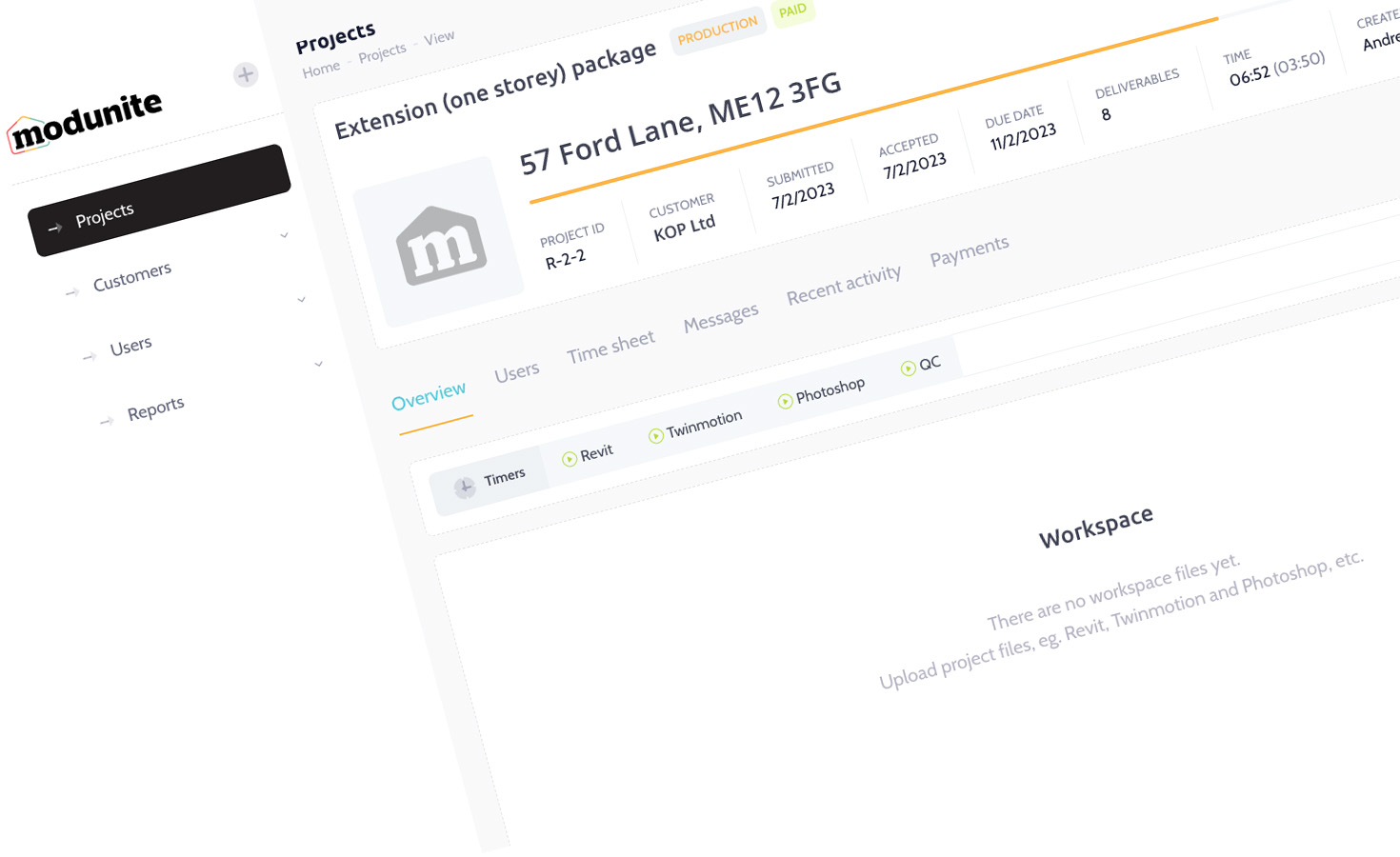
As of 2026, the UK property sector faces increasing pressure to provide real-time data access and transparent communication channels. Property app development is no longer just about listing buildings; it is about creating an ecosystem where landlords, tenants, and staff interact without friction. We have seen how a well-engineered platform can reduce administrative overhead by automating routine tasks and centralising documentation.
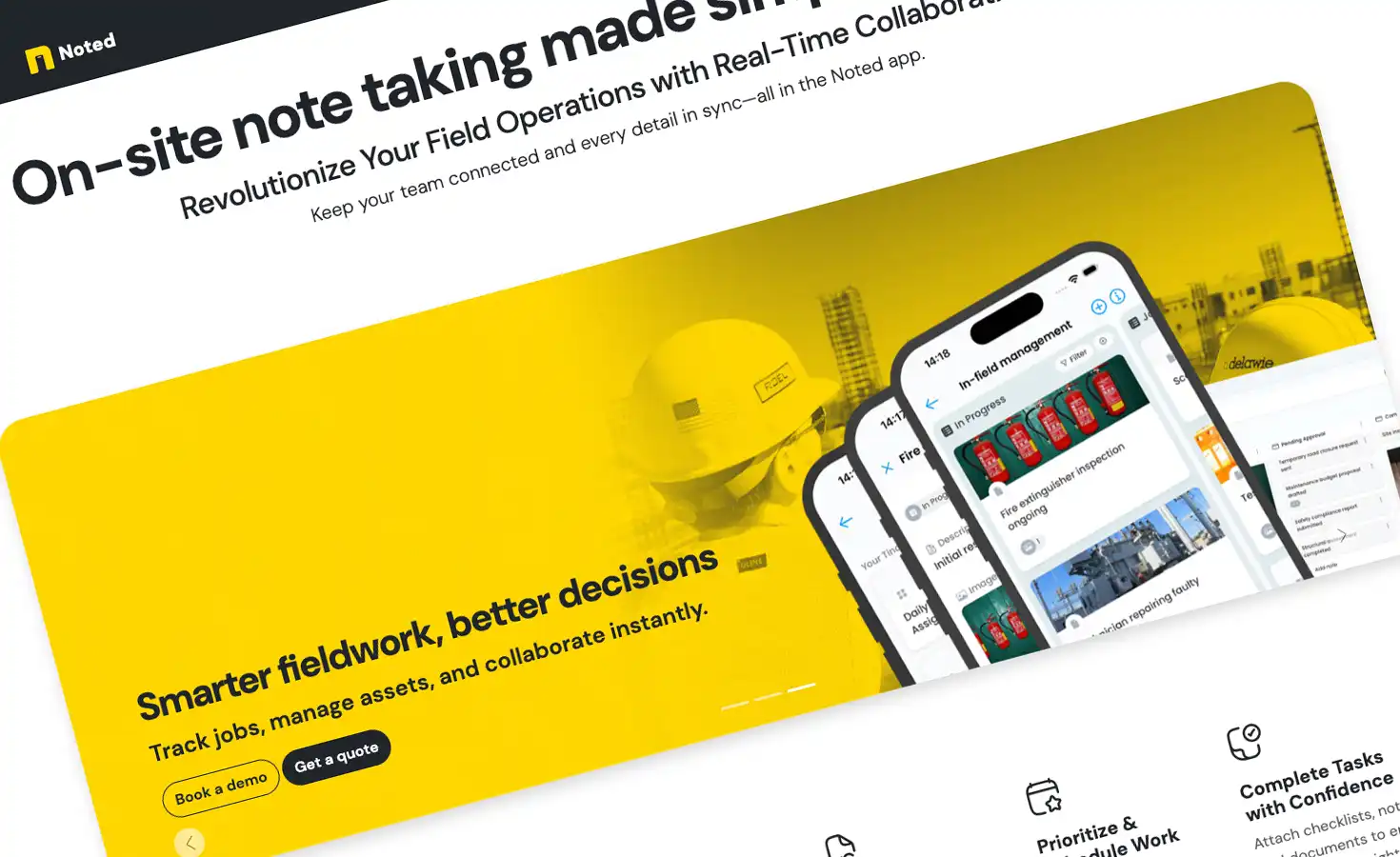
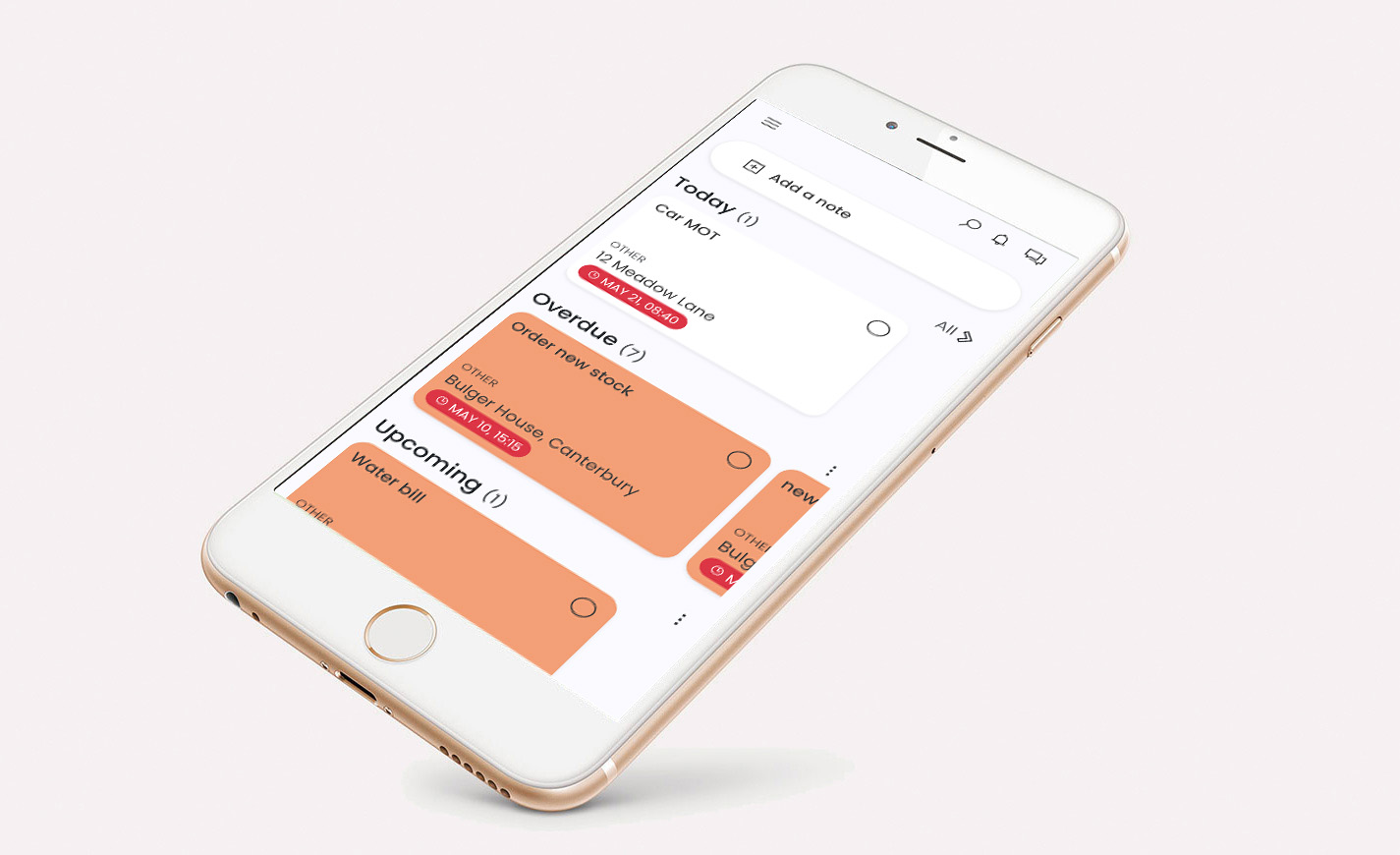
For many of our clients, the primary driver is the move away from manual spreadsheets and disconnected legacy systems. By investing in a dedicated application, organisations can ensure data accuracy and improve response times for maintenance or bookings. Our work on a PWA for a property company specifically addressed this, providing staff with a task management tool that works reliably in the field.
Building a custom solution allows for complete control over the user journey. Unlike off-the-shelf software, a bespoke app can be tailored to your specific workflows, ensuring that the technology fits the business rather than forcing the business to adapt to the software. This approach minimises technical debt (the long-term cost of taking shortcuts in code quality) and provides a foundation for future growth.
What is Property App Development?
Property app development involves creating custom software tailored to the real estate and property management industries. This ranges from mobile applications for estate agents to complex web portals for commercial property groups. A key distinction often arises between a native mobile app and a progressive web app development.
A native app is built specifically for iOS or Android, offering high performance and deep integration with phone hardware. In contrast, a Progressive Web App (PWA) is a website that acts like a mobile app. It uses Service Workers (scripts that run in the background) to allow for offline functionality and push notifications without requiring a download from an app store.
One common misconception is that every property tool needs to be a native app. In our experience, many internal staff tools are better suited to a PWA because they are easier to deploy across various devices and more cost-effective to maintain. We help you choose the right architecture based on your specific users and technical requirements.
Why Businesses Choose Tinderhouse for Property Apps
Founders and technical leads choose to work with us because we prioritise stability and clear logic. We are ranked in the top 50 UK app developers by Clutch, a reflection of our commitment to delivering work that actually functions under pressure. Our experience with the Hansard Society web portal and the My Lost Account banking portal demonstrates our ability to handle sensitive data and high-traffic environments.
The primary outcomes our clients see include:
- Reduced Operational Risk: Centralised data prevents the loss of critical information and ensures compliance with UK regulations.
- Improved Staff Efficiency: Field workers can update records in real-time, as seen in our work on health and safety compliance apps.
- Long-term Scalability: We build using API-first architecture. This means we design the data layer before the interface, ensuring your app can connect to other systems easily in the future.
Working with a team based in Kent and London provides the benefit of local expertise and easy communication. We act as a conversational peer to your internal team, providing the technical heavy lifting while respecting your industry knowledge.
The Property App Development Process
Our approach is grounded in the Agile methodology. These are short development cycles that let us adapt the product as we gather feedback from real users. Our approach to every project is built on a proven mvp app development framework, where we use a rigorous technical discovery phase to turn complex ideas into high performance, market ready applications.
Discovery and Technical Mapping
We begin by identifying the core entities and data relationships. For a property app, this might include how "Properties" relate to "Tenants" and "Maintenance Logs." We define the Role-Based Access Control (a system that restricts system access to authorised users) to ensure that sensitive financial or personal data is only visible to the correct people.
Architecture and Prototype
We build a functional prototype to test the user flow. During this stage, we address potential technical debt by planning the code structure carefully. We often use ExpressionEngine (we have been specialists since version 1) for content-heavy portals that require a flexible back-end. This ensures the system remains easy for your team to manage after launch.
Development and Integration
Our developers focus on "meat" over fluff. We integrate your app with existing tools, such as CRM systems or accounting software. We use CI/CD pipelines (automated testing and deployment systems) to catch bugs early. This was critical when building the web portal for a commercial music producer, where artist booking and planning required 100% uptime.
Launch and Ongoing Support
We do not simply hand over the keys and disappear. Ongoing support is provided across all projects to ensure the software remains secure and compatible with new mobile operating system updates. This long-term partnership is why many of our clients have worked with us for over a decade.
Common Mistakes to Avoid
In our 20 years of experience, we have seen several recurring pitfalls that can derail a project.
- Over-complicating the MVP: A Minimum Viable Product should be focused, not minimal. We often see companies try to launch with every possible feature, which leads to delays and a confused user experience.
- Ignoring Offline Capabilities: For field-based property staff, internet connections can be unreliable. Failing to use an offline-first architecture (where the app saves data locally until a connection is restored) can make a tool useless in the real world.
- Neglecting Data Security: Property apps often handle sensitive "Personal Identifiable Information." Failing to implement rigorous encryption and audit trails can lead to significant legal liabilities.
- Underestimating Integration Time: Connecting a new app to an old legacy database is rarely "seamless." We plan for these complexities early to avoid timeline slips.
Cost and Timeline for Property Apps
The cost of property app development varies based on the complexity of the data and the number of integrations required. A focused MVP, like the financial education app we launched within 8 weeks, will naturally require a different investment than a national banking portal used by every major UK bank.
Typically, a professional property platform takes between three to six months to develop. Factors affecting this include:
- The number of user roles (e.g., Admin, Agent, Tenant).
- The complexity of the back-end logic.
- Whether you require a native app or a PWA.
We provide transparent estimates based on clear requirements. Our goal is to provide a realistic range that accounts for the "Lessons from the Field" we have gathered over two decades of business app development.
Is This Right For You?
This service works well if you:
- Are a UK-based organisation looking to digitise complex manual processes.
- Value technical logic and long-term stability over "cutting-edge" hype.
- Need a partner who understands the nuances of enterprise app development and data security.
This may not be right if:
- You are looking for the cheapest possible offshore "off-the-shelf" solution.
- You require a simple marketing landing page rather than a functional application.
How Tinderhouse Works
We operate as a high-density technical team. We use Microservices (an architectural style that structures an application as a collection of small services) when building large-scale property portals. This ensures that if one part of the system needs an update, it does not bring down the entire platform.
Our team focuses on practical execution. For example, when building the Verenigma app for voice analysis, the focus was on the precision of the data processing. We bring that same level of rigour to property apps. We don't use buzzwords; we use proven patterns like REST APIs to ensure your data is accessible and secure. Our status as one of the top mobile app companies in London is built on this "logic first" foundation.