High-performance websites trusted by UK banks and national institutions
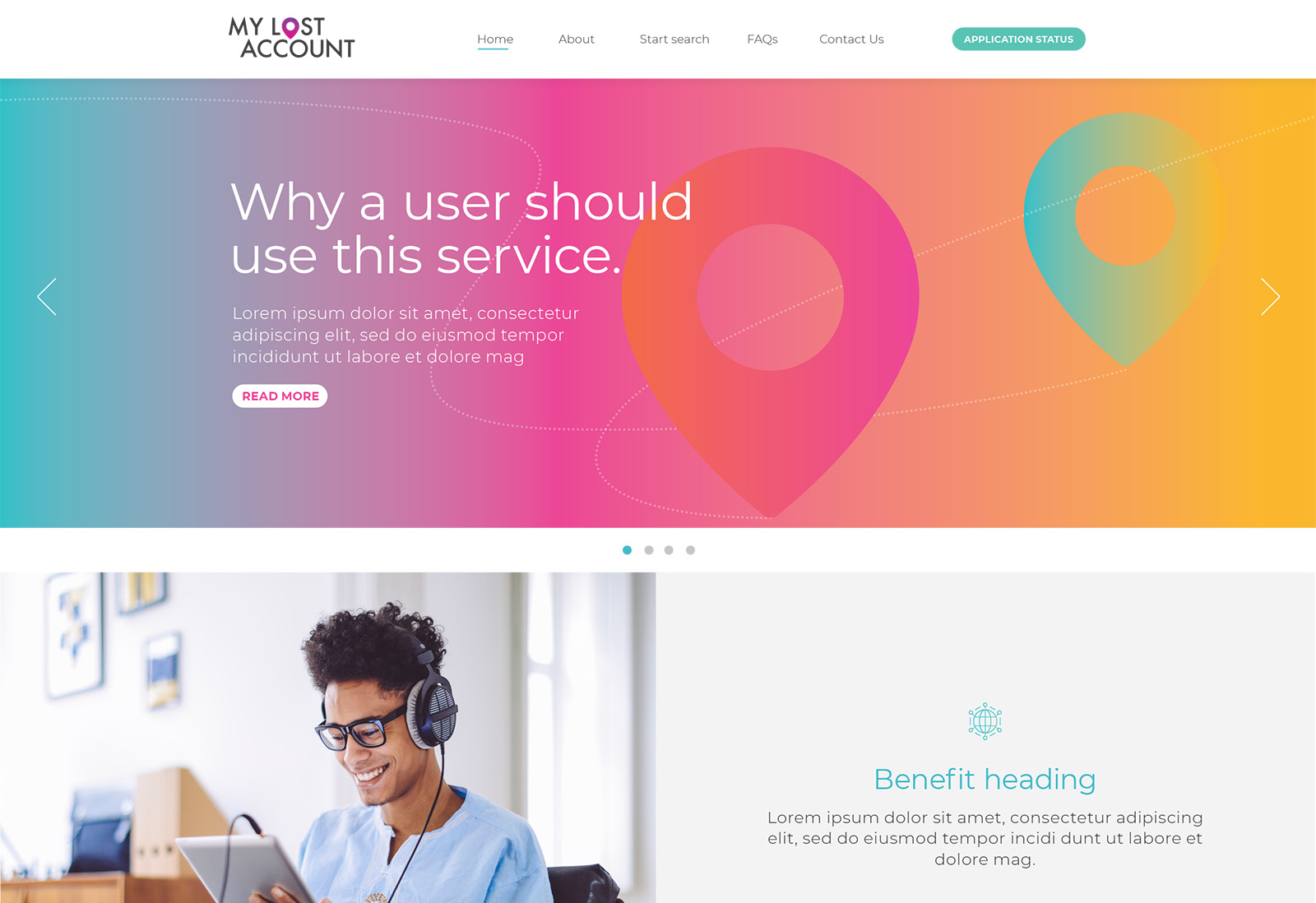
Tinderhouse provides specialist website development for organisations that require technical stability, effective design, and straightforward content management. We built My Lost Account, the banking portal used by every major UK bank to reunite customers with dormant accounts, and VoteMatch which handled over 100,000 concurrent users and was white-labelled by The Telegraph. With over 20 years of experience in web development, we focus on building websites that look professional, perform reliably under pressure, and give you control over your content without requiring technical expertise.
The best websites are not defined by how impressive they look on launch day. They are defined by how well they serve your users and how easily your team can manage them years later.
Our app and website design and development areas of expertise
AI integration specialists
Web service connections
Back-end database integration
Innovative UX/UI design
Our app and website solutions are helping businesses grow, be more efficient and sell more. Let's talk about your project. Call us on +44 (0)1227 811771 or send us an email.
Why Website Development Matters in 2026
The web landscape has shifted dramatically in recent years. Users now expect websites to load instantly, work seamlessly on mobile devices, and provide accessible experiences regardless of their abilities or connection speeds. Meanwhile, businesses struggle with outdated content management systems that trap them in expensive relationships with technical gatekeepers, making simple content updates feel like major projects.
Technical debt accumulates quickly in web development. Websites built five years ago often rely on deprecated frameworks, unsupported plugins, or architectures that weren't designed for modern mobile usage patterns. This creates performance problems, security vulnerabilities, and maintenance costs that far exceed the original build budget. We've seen organisations spend more money patching legacy systems than it would have cost to rebuild properly from the start.
Our work on My Lost Account demonstrates what's possible when websites are engineered correctly. This banking portal serves every major UK bank, handling sensitive financial queries whilst maintaining strict security standards and consistent uptime. The system processes thousands of dormant account searches daily, proving that well-architected websites can serve critical business functions reliably for years without constant intervention.
What is Website Development?
Website development encompasses the entire process of planning, designing, building, and maintaining web-based systems. Unlike simple website templates or DIY builders, professional website development involves custom architecture tailored to your specific business requirements, user journeys, and technical constraints.
Modern website development typically follows a mobile-first approach (designing for smartphones before desktop screens), ensuring your site performs well on the devices most people actually use. This involves responsive web design (layouts that adapt intelligently to different screen sizes) combined with performance optimisation to ensure fast loading times even on slower mobile connections.
The technical foundation matters significantly. We typically recommend progressive web app architecture for sites requiring offline functionality or app-like experiences, whilst traditional responsive websites work well for content-heavy sites with simpler interaction patterns. The key distinction lies in how the site handles data: PWAs can cache content locally and work without internet connections, whilst traditional sites require constant server communication.
Content management forms a critical component of any website project. We specialise in ExpressionEngine, a flexible content management system that gives you complete control over your content without compromising technical quality. Unlike WordPress or other mass-market platforms, ExpressionEngine provides enterprise-grade security, custom content structures, and the ability to build exactly the editorial workflows your team needs.
The Future of Web Development: AI-Powered Content Systems
The next generation of websites will use artificial intelligence to personalise content, automate routine tasks, and provide intelligent assistance to both visitors and content managers. We specialise in building content management systems that integrate Agentic AI to suggest content improvements, automate metadata generation, and optimise user journeys based on behaviour patterns. By combining traditional web development expertise with modern AI capabilities, we help organisations build websites that continuously improve without constant manual intervention.
Our work on VoteMatch for Unlock Democracy illustrates the importance of solid technical foundations. This political engagement tool needed to handle 100,000 concurrent users during election periods whilst maintaining accuracy in complex questionnaire logic. The Telegraph white-labelled the system, demonstrating that well-built websites can serve as platforms for multiple organisations simultaneously. This required careful attention to scalability, data isolation, and white-label customisation capabilities from the beginning.
Why UK Businesses Choose Tinderhouse for Website Development
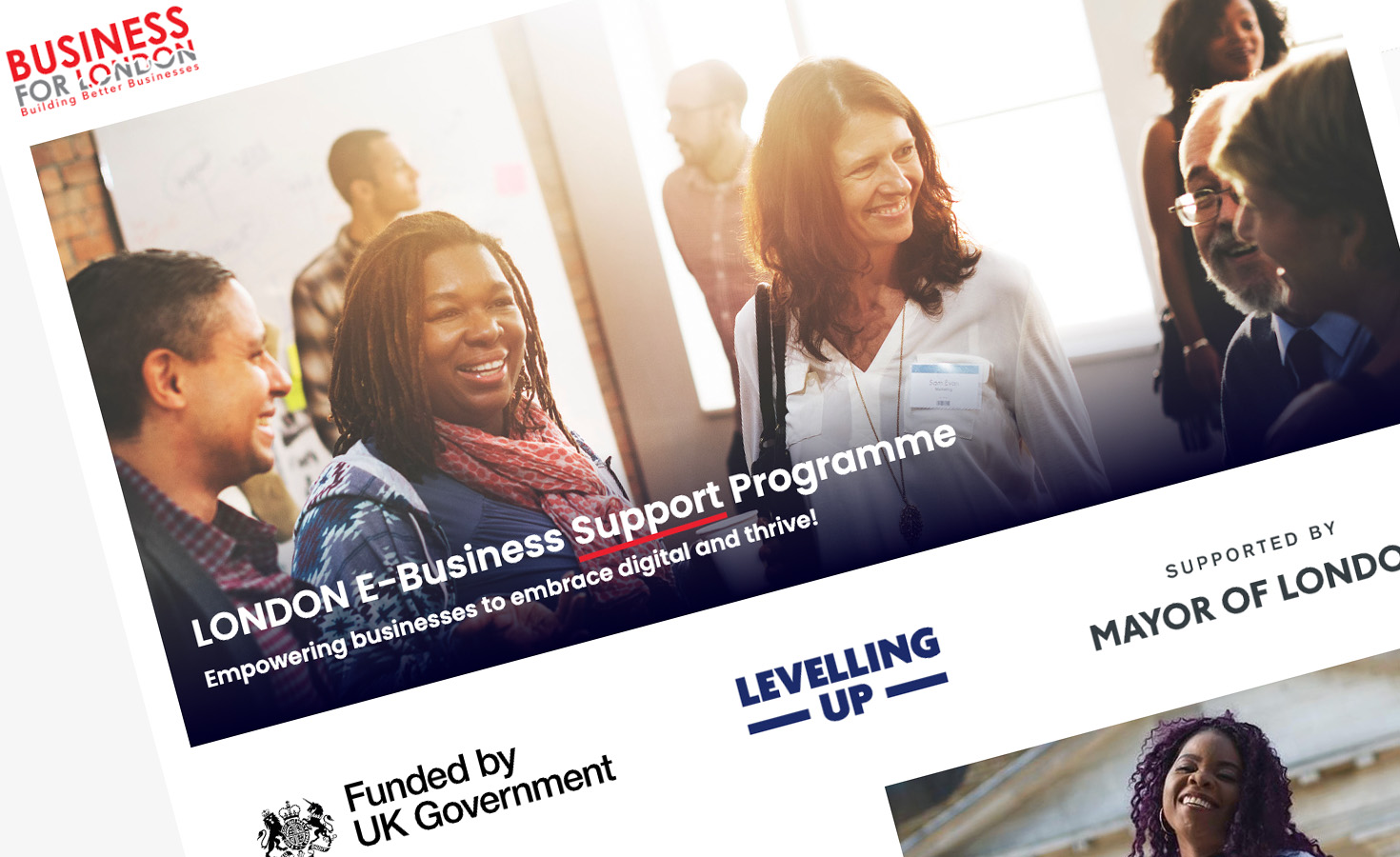
Proven Track Record with High-Stakes Projects: We've delivered websites for organisations where failure isn't an option. My Lost Account serves every major UK bank, processing sensitive financial queries that must maintain strict security and regulatory compliance. Business for London provided a platform for business voices during critical political campaigns, requiring both reliability and rapid content updates.
Technical Expertise Across Diverse Sectors: Our experience spans financial services, public sector organisations, political campaigns, and commercial enterprises. This breadth means we understand different regulatory environments, user expectations, and technical requirements. We've built systems that handle 100,000+ concurrent users, maintain years of continuous uptime, and integrate with complex backend systems across different industries.
Content Management That Actually Works: We prioritise making content management genuinely straightforward. Our ExpressionEngine implementations give you structured workflows, custom content types, and intuitive editing interfaces that don't require technical knowledge. Unlike WordPress sites that become unstable as you add functionality, ExpressionEngine maintains consistency and security whilst scaling to your needs.
Mobile-First Design That Performs: We design for the reality that most users will access your site via mobile devices. This means performance optimisation, touch-friendly interfaces, and layouts that work beautifully on small screens. Our progressive web app capabilities allow websites to function offline, load instantly, and feel like native applications when needed.
Accessibility as Standard Practice: We build websites that meet WCAG 2.2 accessibility standards (guidelines ensuring websites work for people with disabilities), implementing proper semantic HTML, keyboard navigation, screen reader compatibility, and colour contrast requirements. This isn't an optional extra - it's fundamental to professional web development and increasingly required by law for public sector and large organisations.
Long-term Partnership Approach: We maintain relationships with clients over years, not just months. Many of our web projects continue to run successfully five, ten, or even fifteen years after launch, with our ongoing support ensuring they remain secure, up-to-date, and effective. This long-term approach means we build systems designed for evolution, not replacement.
The Website Development Process
Our approach to every project is built on a proven MVP app development framework, where we use a rigoroustechnical discovery phase to turn complex ideas into high-performance, market-ready applications.
Discovery and Strategy Phase
We begin by understanding your organisation, users, and objectives through detailed stakeholder interviews, competitor analysis, and user research. This involves identifying your key user journeys - the specific paths people take through your site to accomplish their goals - and understanding what technical constraints or opportunities exist in your current systems.
This phase produces a comprehensive technical specification including information architecture (how content is organised and related), user flow diagrams, and technical requirements documentation. We identify which content types you need, how they relate to each other, and what editorial workflows will serve your team effectively. For My Lost Account, this meant mapping complex data relationships between banks, account types, and search criteria whilst ensuring the interface remained simple for anxious customers searching for lost money.
We also address web development fundamentals like hosting requirements, integration points with existing systems, and performance benchmarks. If you're replacing an existing website, we audit the current system to understand what's working, what's causing problems, and what content needs migrating or restructuring.
Design and Architecture Phase
Visual design happens in parallel with technical architecture. We create responsive design systems that define how your site looks and behaves across different devices, establishing colour palettes, typography, spacing systems, and component libraries that ensure consistency. This isn't just aesthetics - good design systems make development more efficient and future updates more straightforward.
On the technical side, we architect the database structure, API endpoints if needed, and integration patterns for any third-party services. We use API-first architecture (designing the data layer before the interface) when appropriate, allowing your website to serve content to multiple channels - perhaps a mobile app in future, or integration with other business systems. This approach powered VoteMatch's ability to be white-labelled by The Telegraph whilst maintaining the same underlying logic and data.
We establish CI/CD pipelines (automated testing and deployment systems) from the start, ensuring that code changes are tested automatically and deployed reliably. This catches bugs early and makes the development process more transparent, allowing you to see progress regularly rather than waiting weeks for big reveals.
Development and Content Migration Phase
Development follows an Agile methodology (short development cycles that let us adapt as we learn from feedback), typically working in two-week sprints. We build the content management system first, allowing your team to start populating content whilst we continue developing public-facing features. This parallel workflow means you're not waiting until the end of the project to start content preparation.
If you're migrating from an existing website, we handle content transfer carefully, cleaning up formatting inconsistencies, redirecting old URLs to preserve search rankings, and restructuring content to fit the new architecture. For Business for London, this involved migrating years of campaign materials whilst maintaining their value for historical reference.
We integrate with required third-party services during this phase - perhaps payment systems, CRM platforms, analytics tools, or specialist functionality specific to your sector. Our experience with financial sector systems like My Lost Account means we understand how to handle these integrations securely and reliably.
Testing, Launch, and Optimisation Phase
Before launch, we conduct comprehensive testing across devices, browsers, and network conditions. This includes accessibility testing with screen readers and keyboard navigation, performance testing to ensure fast loading times, security audits, and user acceptance testing with your team. We identify and fix issues systematically, ensuring the site meets all requirements before going live.
Launch involves coordinating DNS changes, SSL certificate installation, final content reviews, and staged deployment that minimises risk. We typically soft-launch to a subset of users first, monitoring behaviour and performance before full public release. Post-launch, we monitor closely for any issues and gather user feedback to inform immediate improvements.
The first few weeks after launch often reveal opportunities for optimisation based on real user behaviour. We analyse which content gets attention, where users drop off, and what search terms bring people to your site. This data informs ongoing improvements and content strategy adjustments.
Common Mistakes to Avoid
In our 20+ years of experience, we have seen several recurring pitfalls that undermine web projects and waste budgets.
Prioritising Features Over Fundamentals: Organisations often focus on impressive features whilst neglecting core website performance, accessibility, and content quality. A website with clever animations but slow loading times will frustrate users and damage search rankings. We've seen projects spend 60% of budget on features that less than 5% of users engage with, whilst the remaining budget proves insufficient to make the site genuinely fast and reliable. Start with solid foundations, add sophistication later.
Choosing Platforms for the Wrong Reasons: WordPress dominates web development because it's familiar and has thousands of plugins, not because it's technically superior. For complex business websites requiring custom functionality, WordPress often creates more problems than it solves, with plugin conflicts, security vulnerabilities, and performance issues accumulating over time. We recommend ExpressionEngine for organisations that need robust, maintainable systems that won't require constant patching and workarounds.
Ignoring Mobile Users Until Too Late: Designing primarily for desktop then trying to make it work on mobile afterwards produces compromised experiences. Mobile users represent the majority of web traffic across most sectors, yet many organisations still treat mobile as an afterthought. True mobile-first development means considering mobile constraints and opportunities from the very beginning, not retrofitting responsive behaviour onto desktop-centric designs.
Underestimating Content Migration Complexity: Migrating content from an old website to a new one seems straightforward but quickly becomes complicated. Broken links, inconsistent formatting, missing images, and content that doesn't fit new structures all require manual attention. Budget adequate time and resources for content migration, or you'll launch with incomplete or broken content that damages user experience and search rankings.
Neglecting Ongoing Maintenance: Websites require continuous attention to remain secure, performant, and effective. Operating systems update, browsers change behaviour, security vulnerabilities emerge, and content becomes outdated. Organisations that view websites as one-time projects rather than ongoing assets inevitably face costly emergency fixes or complete rebuilds much sooner than necessary. Our long-term maintenance relationships with clients ensure their sites remain reliable and current.
Cost and Timeline
Website development costs vary significantly based on complexity, custom requirements, and the sophistication of content management needed. A straightforward brochure website with basic content management might cost £6,000-£40,000 and take 8-12 weeks to deliver. More complex sites with custom functionality, extensive content types, or integration with business systems typically range from £50,000-£100,000+ and require 16-24 weeks for proper development and testing.
Several factors influence timeline and investment. Custom design requires more time than template-based approaches but delivers distinctiveness and precisely fitted user experiences. Bespoke functionality costs more than off-the-shelf solutions but avoids compromises and long-term maintenance headaches. Content volume affects timeline significantly - a site with thousands of pages requires more migration effort than a site with dozens. Integration complexity, particularly with financial systems or public sector infrastructure, adds time for security reviews and compliance verification.
Our VoteMatch project for the Unlock Democracy illustrates realistic enterprise web development timelines. The system required complex questionnaire logic, sophisticated matching algorithms, white-label capabilities, and the ability to handle 100,000 concurrent users. This level of sophistication justified the investment because the system served critical democratic engagement functions and needed to maintain credibility under intense public scrutiny during election periods.
We provide detailed, transparent quotes based on your specific requirements rather than generic price brackets. Every organisation has different needs, constraints, and opportunities. Some might benefit from a phased approach, launching with core functionality then adding sophistication based on user feedback. Others require comprehensive systems from launch. We'll recommend the approach that makes sense for your situation rather than selling the most expensive option.
Is This Right For You?
This works well if you:
Need a professional web presence that represents your organisation credibly
Want straightforward content management without depending on developers for updates
Require custom functionality that off-the-shelf platforms can't provide effectively
Value long-term reliability and maintainability over lowest initial cost
Operate in a regulated sector requiring security, accessibility, or compliance standards
Need your website to integrate with existing business systems or databases
This may not be right if:
You need a simple, template-based site with minimal customisation
Your budget prioritises lowest initial cost over long-term value
You're comfortable with the limitations and ongoing costs of mass-market platforms
You don't anticipate needing custom functionality or sophisticated content structures
You're looking for a quick, disposable solution rather than a long-term asset
Professional website development represents a significant investment but delivers proportional value for organisations that need reliable, maintainable systems. If your website plays a central role in your business operations, customer acquisition, or service delivery, professional development typically proves more cost-effective than budget alternatives that require constant patching and eventual replacement.
How Tinderhouse Works
Based in Canterbury, Kent and London, we've spent 20+ years developing web systems for organisations across public and private sectors. Our approach emphasises collaboration and transparency - you remain involved throughout the project, understanding decisions and seeing progress regularly rather than waiting for big reveals.
We use proven technologies and methodologies rather than chasing trends. ExpressionEngine provides the foundation for most of our content-managed websites because it offers flexibility, security, and longevity that mass-market platforms struggle to match. Our technical practices include version control, automated testing, continuous integration, and comprehensive documentation, ensuring projects remain maintainable long after launch.
Our team includes designers, developers, project managers, and content strategists who work together from discovery through to launch and beyond. This integrated approach means design decisions account for technical constraints, development work supports editorial workflows, and everyone understands how their contribution fits the larger picture. We don't hand projects between disconnected departments - the people who start your project will see it through to completion.
We maintain long-term relationships with most clients, providing ongoing support, security updates, feature additions, and strategic guidance as their needs evolve. My Lost Account remains in active use over a decade after launch, demonstrating what's possible when websites are built properly and maintained consistently. This approach treats your website as a valuable business asset requiring care and attention, not a disposable commodity to be replaced every few years.
AI-powered award-winning app & web development agency
Explore more →
Frequently asked questions
Everything you need to know about working with Tinderhouse, from costs and timelines to our process and expertise.
The distinction has blurred significantly, but broadly: websites primarily deliver content for consumption, whilst web applications provide interactive functionality for users to accomplish tasks. My Lost Account, for instance, is a web application because users actively search databases and manage account recovery processes. A traditional company website with pages describing services is primarily content-focused. Modern projects often blend both approaches - a primarily informational site with interactive tools embedded where they add value. We help you determine what makes sense for your users and objectives.
WordPress works well for blogs and simple websites, but struggles with complex content structures, custom functionality, and enterprise security requirements. ExpressionEngine provides more robust content modelling, allowing us to create exactly the content types and relationships your organisation needs without fighting against platform limitations. It's more secure, performs better at scale, and doesn't rely on third-party plugins that introduce vulnerabilities and compatibility problems. For organisations requiring reliable, maintainable systems, ExpressionEngine proves more cost-effective despite higher initial investment.
We build accessibility into every project from the beginning, following WCAG 2.2 Level AA standards as a baseline. This includes semantic HTML structure for screen readers, keyboard navigation support, proper colour contrast, alternative text for images, and careful attention to focus management. We test with actual assistive technologies throughout development, not just at the end. Our public sector experience, including NHS projects, means we understand accessibility isn't optional - it's fundamental to professional web development and increasingly required by law.
Content migration requires careful planning and execution. We audit your existing content to identify what remains valuable, what needs updating, and what should be retired. We preserve SEO value by implementing proper redirects from old URLs to new ones, maintaining your search rankings. Content typically needs reformatting to suit new structures and designs. We handle technical migration whilst working with your team on content review and improvement. For large sites with thousands of pages, this represents significant project time, which we account for in planning and budgets.
Yes. We frequently integrate websites with CRM systems, payment processors, inventory databases, booking systems, and other business platforms. Our API-first architecture approach treats your website as one interface to underlying data and systems, allowing proper integration without creating fragile dependencies. My Lost Account integrates with multiple UK banks' systems, demonstrating our capability with complex, secure integrations. We assess integration requirements during discovery and design appropriate connection patterns that maintain security and performance.
A well-designed, properly marketed website typically shows measurable improvements within 8-12 weeks post-launch as search engines index the new site and users begin engaging with improved experiences. However, full SEO recovery and optimisation often takes 6-12 months, particularly if you've changed domain or significantly restructured content. We monitor key metrics post-launch and make data-informed adjustments to improve performance. VoteMatch's success handling 100,000 concurrent users during election periods demonstrates that technical performance can be immediate, whilst organic traffic growth follows a more gradual trajectory.
Regular maintenance includes security updates for the content management system and server environment, browser compatibility monitoring as browsers release new versions, performance optimisation based on usage patterns, content updates, and backup management. We typically recommend monthly maintenance contracts covering these activities, with the specific scope depending on your site's complexity and criticality. Our long-term client relationships mean we maintain deep familiarity with systems, making maintenance efficient and reducing the risk of problems going unnoticed.
Yes. We provide managed hosting optimised for the specific technologies and traffic patterns of your website, along with ongoing technical support covering content management questions, troubleshooting, and feature additions. This integrated approach means one team handles everything from infrastructure to content systems, providing faster response times and better problem resolution than arrangements where hosting, development, and support are fragmented across different providers.