Established 2003. Still delivering.

Bespoke Web Systems Services

High-Performance Infrastructure for Digital Growth

Tinderhouse: Specialist Bespoke Web Systems Services UK for startups and enterprise teams

In an era where your website is the operational backbone of your business, Tinderhouse delivers more than just code. We engineer robust, scalable web environments tailored to solve complex technical challenges. While we are recognised UK leaders in ExpressionEngine development, our expertise extends across the entire modern web stack including Next.js frontends, Node.js backends, and headless architectures. Whether you are building a secure enterprise portal, a bespoke CMS, or a complex API ecosystem, we focus on performance, security, and long-term technical stability.

Moving beyond templates to build secure, scalable, and API-driven web solutions that power your business operations.

Discuss your project
Our team is ready to begin new projects.

Our services

Website Development

High-performance websites trusted by UK banks and national institutions

Explore more →

SaaS Development

Build and scale resilient software platforms designed for sustainable long-term business growth

Explore more →

ExpressionEngine Development & CMS Support

Trusted ExpressionEngine partner serving businesses across the UK since 2003. CMS upgrades, custom development, and ongoing support.

Explore more →

Progressive Web App Development

High-performance web applications designed to deliver native experiences across every modern device

Explore more →

How your industry uses bespoke web systems

Every organisation's web infrastructure carries different weight. A content-heavy public sector portal has almost nothing in common with a transactional fintech platform, yet both need the same underlying qualities: performance under load, clean data architecture, and a backend that editorial or operations teams can actually use without developer support.

Financial services organisations operate under constraints that most web agencies never encounter. Regulatory compliance, data residency, audit trails, and the expectation of zero downtime all shape the architecture from day one, not as an afterthought.

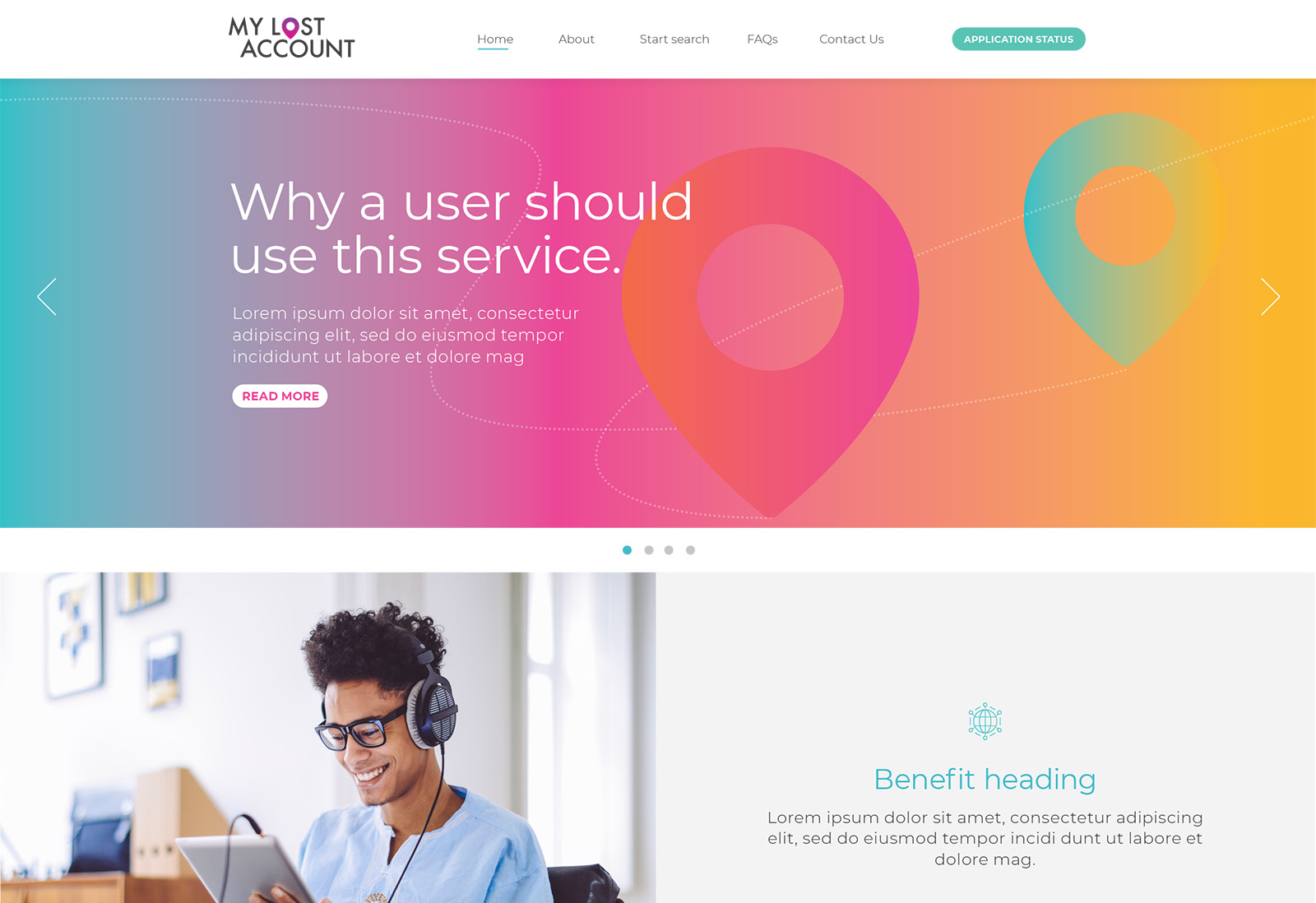
Secure portal engineering Building a consumer-facing financial portal means handling sensitive personal and transactional data across multiple institutions. Tinderhouse engineered My Lost Account, the central portal used daily by all major UK banks to reunite consumers with dormant accounts. That project demanded encryption at rest and in transit, institutional-grade access controls, and a frontend simple enough for members of the public to use without guidance.

Third-party system integration Most financial businesses run a patchwork of internal tools: CRMs, compliance databases, payment processors, and reporting dashboards that rarely talk to each other well. Bespoke web systems bridge those gaps through API-first architecture, creating a single coherent layer that connects Salesforce, Xero, or legacy banking middleware without forcing a full platform migration.

Regulatory and audit compliance Financial web platforms need to log user actions, maintain data integrity across sessions, and produce audit-ready records on demand. This is not a feature you bolt on later. The data model and access control layer need to be designed with compliance baked in from the start, which is why a bespoke approach tends to outperform off-the-shelf CMS solutions in this space.

Client-facing dashboards Wealth managers, insurance brokers, and lending platforms increasingly need to give their clients self-service access to portfolio data, documents, and transaction histories. These dashboards require real-time data feeds, role-based permissions, and responsive design that works reliably on mobile, all built on a backend that operations teams can manage without filing a support ticket.

Explore more →

Clinical environments are unforgiving. Staff are time-poor, patient data is sensitive, and any system that adds friction to existing workflows will be ignored or worked around. Bespoke web systems in healthcare succeed or fail on whether they respect these realities.

Patient-facing portals Giving patients access to their own records, appointment bookings, or care plans through a web portal sounds straightforward, but the data governance requirements are significant. Tinderhouse built NHS Patients in Control, a platform that had to meet NHS DSP Toolkit standards whilst remaining genuinely usable for patients with varying levels of digital confidence.

Clinical triage and signposting systems Health Help Now is an example of a web system designed to reduce pressure on A&E departments by directing patients to the most appropriate local service. The complexity lies not in the frontend but in the rules engine and data integrations underneath, connecting to live service directories and maintaining accuracy across multiple NHS trusts.

Internal operations platforms Hospitals and care providers often rely on outdated internal systems for rota management, referral tracking, or equipment allocation. A bespoke web application built around actual ward or department workflows can replace spreadsheets and email chains with something that is both auditable and efficient, without requiring six-figure enterprise software licences.

Content management for health organisations Health charities and NHS trusts manage large volumes of public-facing content that changes frequently. Pilgrims Hospices needed a CMS that non-technical staff could update confidently, with structured content types that enforced consistency across hundreds of pages. ExpressionEngine's flexibility makes it well suited to this kind of structured, content-heavy requirement.

Explore more →

Public-facing government and civic platforms carry a particular burden: they must be accessible, transparent, and resilient under unpredictable traffic spikes, often whilst running on constrained budgets.

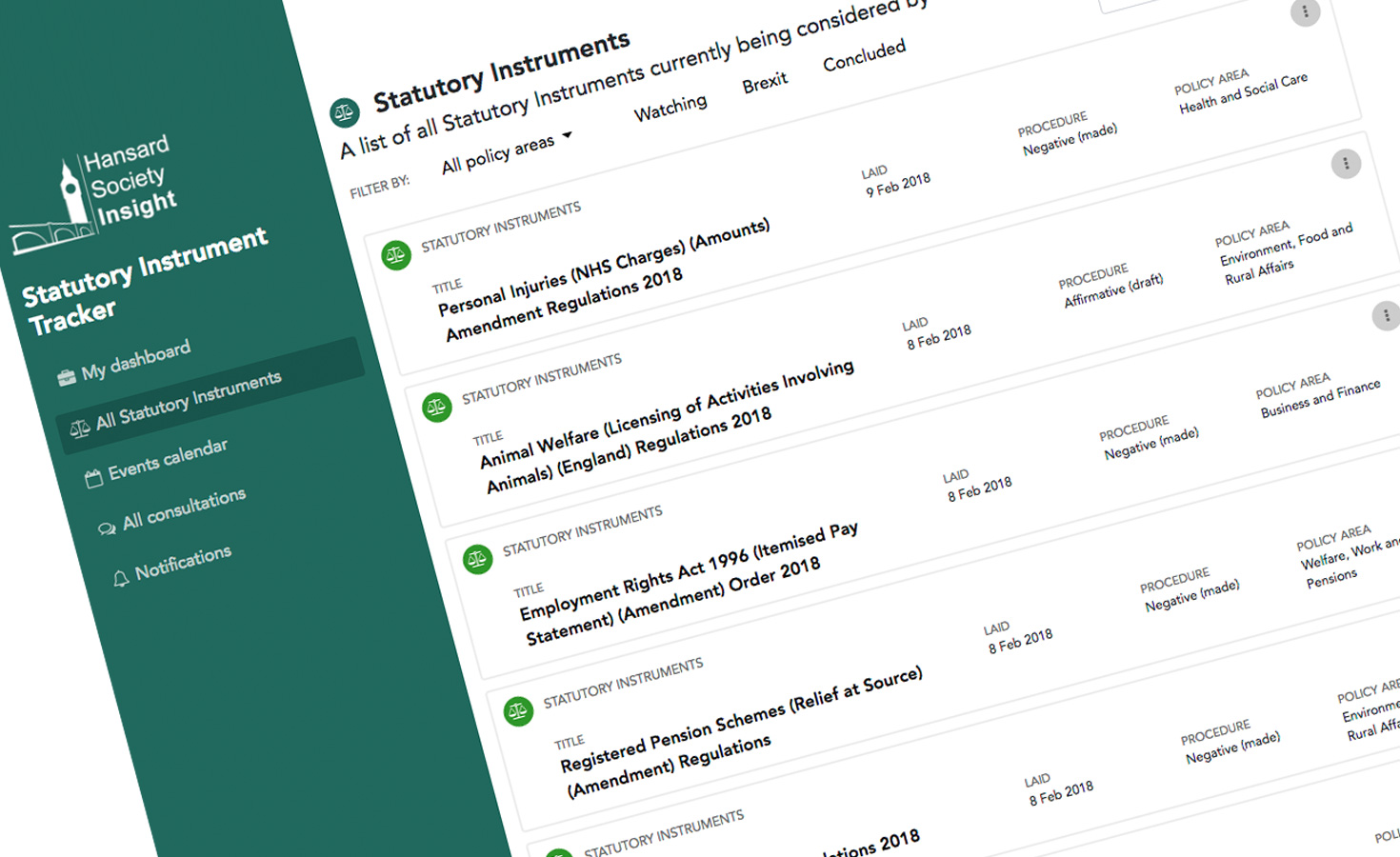
Legislative and policy tracking tools The Hansard Society Statutory Instrument Tracker is a high-performance research tool built for parliamentary monitoring. The web system needed to handle complex data relationships between legislative instruments, committee schedules, and voting records, all presented through an interface that policy researchers and journalists could navigate without training.

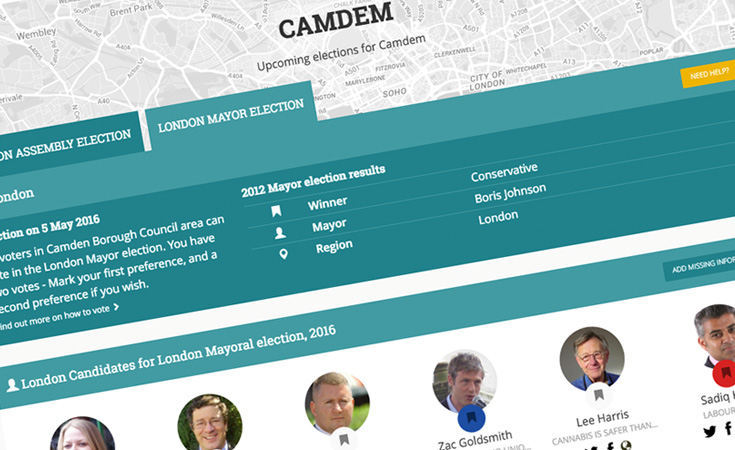
Voter information and democratic engagement Democratic Dashboard, built for the London School of Economics, was designed to bridge the democratic information gap by presenting constituency-level data in an accessible, structured format. The challenge was less about visual design and more about data architecture: normalising datasets from multiple public sources into a coherent, queryable system.

Council and local authority websites Local government websites serve enormous, diverse audiences and are subject to strict accessibility standards. A bespoke CMS built on ExpressionEngine gives content teams the editorial flexibility to manage hundreds of service pages, news items, and consultation documents without relying on developers for routine updates.

FOI and transparency portals Freedom of Information compliance increasingly requires dedicated web infrastructure for publishing datasets, responding to requests, and maintaining searchable archives. Off-the-shelf solutions rarely handle the combination of structured data, document management, and public search that these portals demand.

Explore more →

SaaS products live or die on their web layer. The admin portal, the onboarding flow, the billing dashboard, the API documentation: these are all web systems, and they all need to work reliably at scale from day one of a paying customer's experience.

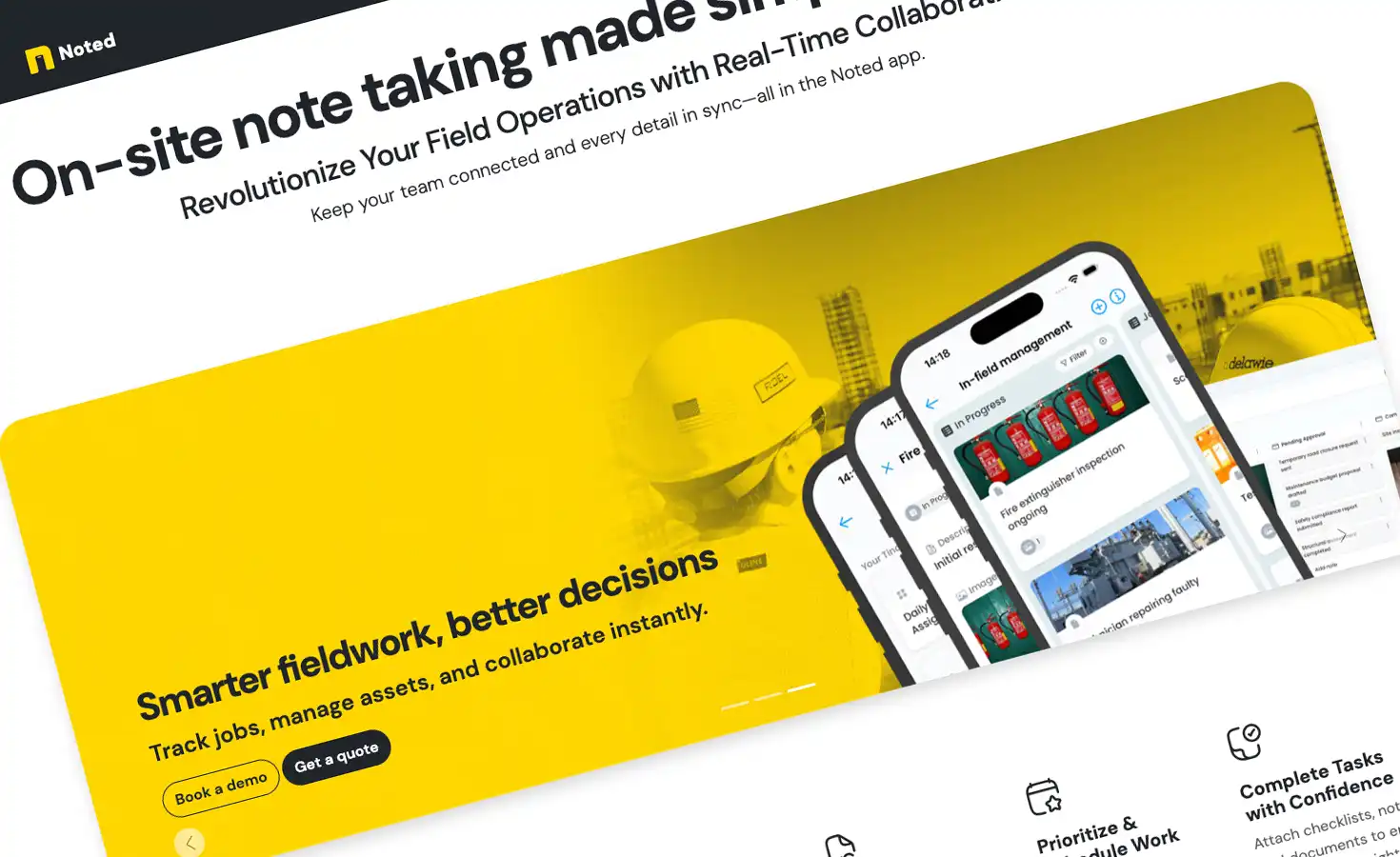
Admin portals and back-office dashboards Noted is a SaaS platform combining branded mobile apps with a web-based admin portal for construction teams. The web system needed to handle real-time data from field workers, support complex permission hierarchies, and give managers visibility across multiple job sites through a single dashboard.

Multi-tenant architecture Most SaaS platforms need to serve multiple organisations from a single codebase whilst keeping their data strictly separated. Designing the database schema, authentication layer, and tenant isolation model correctly at the start avoids painful and expensive re-architecture later.

API-first web layers Modern SaaS products increasingly separate their frontend presentation from backend logic through API-first design. This approach allows the same backend to serve a web dashboard, a mobile app, and third-party integrations simultaneously, which is exactly how we approach complex platform builds.

Onboarding and self-service flows Reducing time-to-value for new SaaS customers requires carefully designed web workflows: account creation, configuration wizards, sample data imports, and contextual help. These flows need to feel effortless to the end user whilst handling edge cases and validation behind the scenes.

Subscription and billing integration Connecting web systems to Stripe, GoCardless, or other payment providers for recurring billing involves more than dropping in a widget. Usage metering, plan changes, failed payment recovery, and invoice generation all need to be built into the web application logic.

Explore more →

Construction companies and field service businesses need web systems that connect office-based teams with what is happening on site. The web layer is typically the command centre: the place where dispatchers, project managers, and clients go to see progress, review data, and make decisions.

Job management dashboards A web-based dashboard that aggregates field data, tracks job status, and flags overdue tasks gives office teams real-time visibility without chasing phone calls or waiting for end-of-day reports. This is the kind of system Noted was built to provide, connecting mobile field apps to a structured web portal.

Document and compliance management Construction projects generate enormous volumes of documentation: risk assessments, inspection certificates, method statements, and photographic evidence. A bespoke web system can enforce document workflows, version control, and approval chains that generic file-sharing tools cannot.

Client-facing project portals Giving clients a login where they can view project progress, access reports, and approve milestones reduces the administrative overhead of email-based updates and builds trust through transparency.

Integration with existing tools Most construction firms already use accounting software, estimating tools, or procurement platforms. A bespoke web system can pull data from these existing tools into a unified view, rather than requiring teams to re-enter information or switch between disconnected systems.

Explore more →

Law firms, accountancy practices, and consultancies depend on web systems that handle sensitive client information, support complex internal workflows, and present a credible professional image. The tolerance for downtime or data errors is extremely low.

Client portals and secure document exchange Sharing contracts, reports, and financial documents by email attachment is increasingly untenable from both a security and an audit perspective. A bespoke client portal with role-based access, document versioning, and activity logging provides a more controlled alternative that clients can access from any device.

Knowledge management systems Professional services firms accumulate institutional knowledge across thousands of matters, projects, and engagements. A well-structured internal web system makes that knowledge searchable and usable, rather than trapped in individual email inboxes or shared drives with no taxonomy.

CRM and pipeline integration Most professional services firms use some form of CRM, but the web systems around it, for tracking pitches, managing referral networks, or generating pipeline reports, are often cobbled together from spreadsheets. A bespoke web layer on top of existing CRM data can give partners and business development teams the views they actually need.

Practice management dashboards Tracking utilisation, billing status, and resource allocation across a firm requires a dashboard that reflects how the firm actually operates, not how a generic software vendor thinks it should. Bespoke web systems can pull data from time-recording, billing, and HR systems into a single management view.

Explore more →

Educational institutions and EdTech companies need web systems that serve multiple audiences simultaneously: students, teaching staff, administrators, and often parents or employers.

Student and learner portals A web portal that gives students access to course materials, assessment results, and administrative functions reduces the burden on reception and admin staff. Hadlow College and Kent School of English both needed web systems that non-technical staff could manage whilst meeting the expectations of digitally confident students.

Content-managed course catalogues Course information changes frequently and is often managed by staff who are not web professionals. A CMS built around structured content types, where each course has defined fields for entry requirements, duration, fees, and outcomes, prevents the inconsistency that plagues freeform page editors.

Booking and enrolment systems Online enrolment involves more than a form. Payment processing, conditional offers, document uploads, and automated communications all need to work together. A bespoke web system built to handle the specific enrolment workflow of the institution avoids the compromises inherent in adapting a generic booking platform.

Institutional reporting dashboards Senior management in educational organisations need data on enrolment numbers, completion rates, and financial performance. A bespoke web dashboard can aggregate data from student records, finance systems, and learning management platforms into a single view designed for the decisions those leaders actually make.

Charities operate with constrained budgets and small teams, which makes the choice of web technology particularly consequential. The wrong platform creates ongoing costs and dependencies; the right one gives the organisation independence and room to grow.

Fundraising and donation platforms Off-the-shelf donation tools take a percentage of every transaction and offer limited customisation. A bespoke web system integrated directly with a payment provider like Stripe can reduce per-transaction costs and give the charity full control over the donor experience, from the landing page to the thank-you email.

Service directories and signposting tools Many charities exist to connect people with services, whether that is local support groups, helplines, or specialist advice. A bespoke web system with structured service listings, geographic search, and regularly updated provider data serves this function far better than a static directory page.

Member and volunteer management Managing volunteer rotas, DBS check records, training completions, and communication preferences through email and spreadsheets is common in the sector but unsustainable as organisations grow. A bespoke web portal tailored to the charity's actual volunteer workflow replaces that fragile system with something maintainable.

Content management for multi-audience sites Charities typically need to address beneficiaries, donors, volunteers, and institutional funders through the same website, each audience needing different content and different navigation paths. ExpressionEngine's flexible channel architecture makes it well suited to managing this kind of multi-audience content structure without duplicating effort.

Frequently asked questions

Everything you need to know about working with Tinderhouse, from costs and timelines to our process and expertise.

Starting with an MVP app development approach is almost always the smartest move for complex web applications. It allows us to use our technical discovery framework to test user workflows and API integrations before investing in a complete custom build.

We have over 20 years of experience with ExpressionEngine because it is one of the most flexible and secure Content Management Systems available. Unlike other platforms, it doesn't force you into a template; it allows us to build a bespoke backend that matches your exact data requirements, making it ideal for complex, content-heavy websites and member portals.

A website is primarily informational. A web application is a dynamic, interactive tool designed to perform specific business tasks. We build web apps like custom CRM dashboards, booking engines, and dashboard-driven SaaS tools that require complex logic, user authentication, and real-time data processing.

Yes. One of our core strengths is System Integration. We bridge the gap between your web presence and your internal tools—such as Salesforce, HubSpot, Xero, or custom legacy databases—ensuring a seamless flow of data across your entire business ecosystem.

Absolutely. We provide expert ExpressionEngine support and maintenance for many clients who have moved their sites to us. Whether you need a version upgrade, a security audit, or custom module development, our UK-based team can take over and optimise your existing installation.

Every project we launch comes with a 90-day post-launch warranty. At Tinderhouse, we believe execution doesn't end at 'Go-Live.' For the first three months after launch, our UK-based team handles any technical issues, bug fixes, or performance refinements within the original project budget. This ensures your software or AI system is fully stable in a real-world environment before transitioning to long-term support, protecting your investment and ensuring a seamless experience for your users.

We're proud to have worked with...

Team Sky: Elite Sports Technology Partner Willis re Sky Kent County Council Medway Council London School of Economics: Public Sector Research Systems NHS: Healthcare Digital Transformation Partner Cisco Systems: Enterprise Infrastructure Software Partner The Telegraph: National Election Platform Partner

Tinderhouse is ranked as one of the UK's top 50 mobile app development companies.

TEAM SKY
Tech partner
2010-2015
MAP MY TRACKS
#1 App
App Store (Fitness)
MAP MY TRACKS
Featured
App Store
BABY LED WEANING COOKBOOK
#1 App
App Store (Lifestyle)