Established 2003. Still delivering.

Mobile App Development Services

High-Performance Applications for iOS, Android, and Web

Tinderhouse: Specialist Mobile App Development Services UK for startups and enterprise teams

Since 2003, Tinderhouse has been at the forefront of digital innovation, delivering world-class mobile experiences for startups and global enterprises alike. We don't believe in "one size fits all." Our engineering team specialises in the full spectrum of mobile technology from high-performance Native iOS and Android apps to cost-effective Hybrid solutions and cutting-edge Progressive Web Apps (PWAs). Whether you are launching a lean MVP to test the market or scaling a complex Enterprise system, our London and Kent-based team combine technical excellence with user-centric design to ensure your app stands out in a crowded marketplace.

Bringing over two decades of award-winning expertise to your mobile vision, from initial strategy and UI/UX design to long-term deployment and scale.

Discuss your project
Our team is ready to begin new projects.

Our services

App Developers UK: Mobile & Web Solutions for Startups to Enterprise

Trusted UK app developers: Built for NHS, Team Sky, The Telegraph & 100+ businesses since 2003

Explore more →

Native App Development

High-performance mobile solutions built for speed, security, and long-term stability

Explore more →

Flutter App Development

Cross-platform applications for iOS, Android, and web from a single codebase

Explore more →

iOS App Development

High-performance iPhone and iPad applications built for stability, scale, and user engagement

Explore more →

Android App Development

High-performance mobile applications built for the diverse and evolving Android ecosystem

Explore more →

MVP App Development

Build, test, and validate your product idea in weeks, not months

Explore more →

Hybrid App Development

High-performance cross-platform applications built for speed, scalability, and cost-efficiency

Explore more →

Startup Prototype Development

Prove your concept and secure funding with a working app investors can test

Explore more →

Progressive Web App Development

High-performance web applications designed to deliver native experiences across every modern device

Explore more →

Wearable App Development

High-performance applications designed for the unique constraints of wearable technology

Explore more →

Shopify App Development

Custom software solutions built to extend and optimise your Shopify store

Explore more →

E-commerce App Development

Scalable retail platforms designed to drive conversion and long-term business growth

Explore more →

On-Demand App Development

Build scalable platforms that connect users with real-time services and logistics

Explore more →

How your industry uses mobile app development

Every sector has its own version of the same question: should we build an app, and what kind? The answer depends on who will use it, where they will use it, and what it needs to do that a website cannot. A GPS tracking app for field engineers faces entirely different constraints to a patient-facing health tool or a fintech onboarding flow. Tinderhouse has seen mobile app development applied across the industries we work with most, and what tends to matter in each one.

Financial services apps operate under a level of scrutiny that most consumer apps never encounter. Regulatory compliance, data encryption, and transaction integrity are baseline requirements, not features to bolt on later. Tinderhouse has delivered secure financial platforms used daily by major UK banking institutions, so we understand the engineering standards this sector demands.

Secure onboarding flows Mobile onboarding in financial services involves identity verification, document capture, and compliance checks, all of which need to feel fast to the user whilst meeting FCA and anti-money-laundering requirements. Native iOS and Android development gives you the hardware-level access needed for biometric authentication and encrypted local storage, which hybrid approaches can struggle with at this level of sensitivity.

Real-time portfolio and account views Users expect to see live balances, transaction histories, and portfolio performance without delay. Building these views natively means you can take full advantage of platform-specific UI components and background data refresh, keeping the experience responsive even on slower connections. Our work on My Lost Account, a platform used by all major UK banks, required exactly this kind of precision.

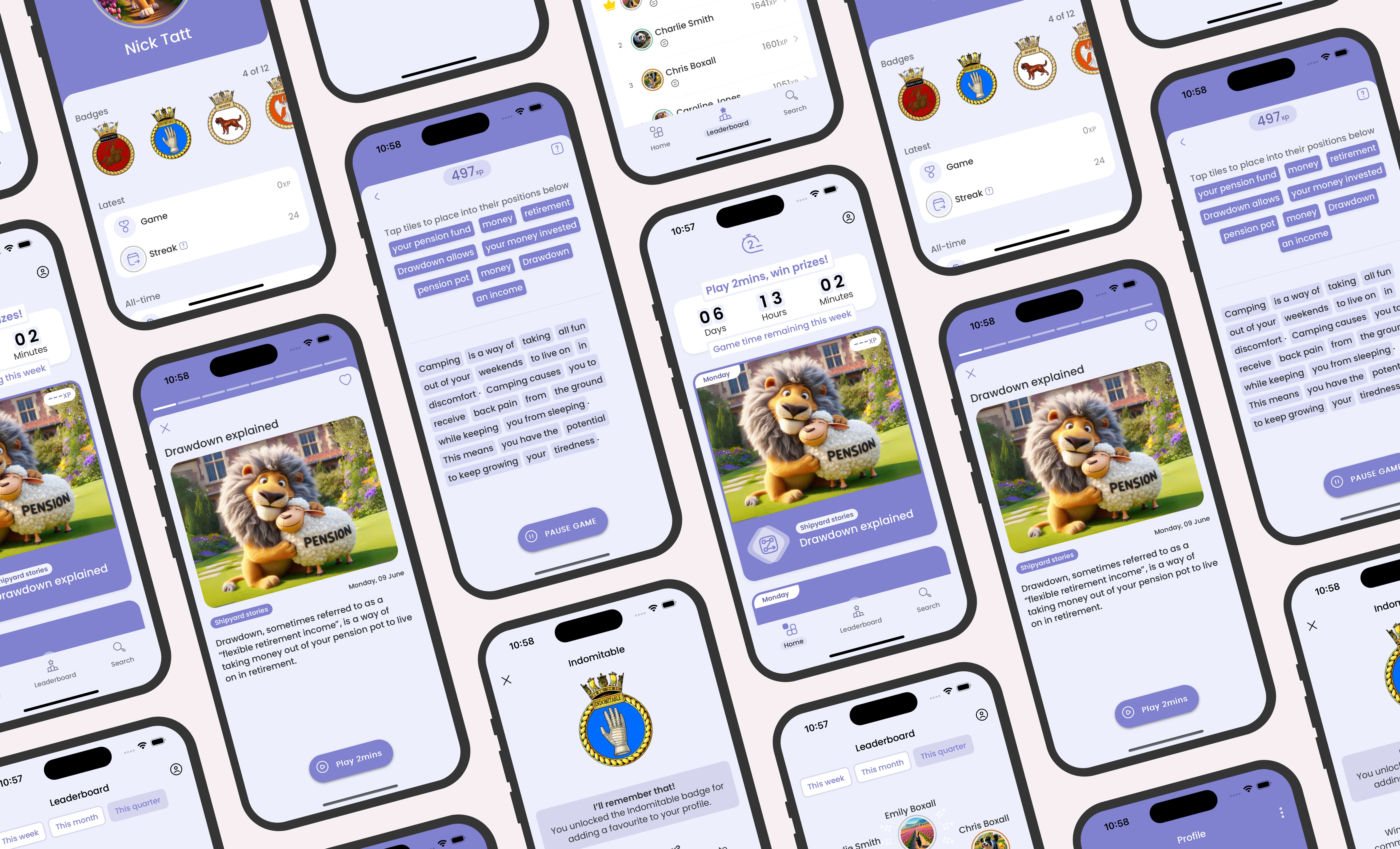
Gamified financial education Not every fintech app is a trading platform. The 2mins app we built uses cross-platform mobile development to make pensions and investments accessible through bite-sized learning and competitive gameplay. This kind of product benefits from an MVP-first approach, launching with a focused feature set and iterating based on real engagement data.

Payment and transfer interfaces Moving money between accounts, paying invoices, or splitting bills all require interfaces that feel instant and trustworthy. Latency or visual glitches erode confidence quickly. Native development ensures that animations, confirmation states, and error handling all behave exactly as the platform's users expect.

Adviser and broker tools Many financial firms need internal-facing apps as much as customer-facing ones. Mortgage brokers, IFAs, and claims handlers often work from tablets in meetings, and their tools need to function offline, sync reliably, and present complex data clearly. These requirements tend to push towards native builds or carefully scoped hybrid solutions.

Explore more →

Clinical environments are unforgiving places for poorly built software. Staff are busy, connectivity is unreliable in parts of many NHS buildings, and the consequences of data mishandling are serious. Mobile apps in this sector need to be designed around real clinical workflows, not theoretical ones.

Patient-facing health tools Apps that help patients manage conditions, book appointments, or access triage guidance need to be accessible, reliable, and simple. Our work on Health Help Now for the NHS required an interface that could be used confidently by people across a wide range of digital literacy, running smoothly on older devices as well as new ones.

Clinical data capture Ward staff and community nurses often need to record observations, complete assessments, or log interventions on the move. Native apps offer the offline-first capability and hardware integration (camera, Bluetooth peripherals) that these workflows require. The NHS Patients in Control project demonstrated how mobile platforms can put structured clinical data directly into the hands of the people who need it.

Remote monitoring and wearables Connected health devices, from pulse oximeters to glucose monitors, increasingly rely on companion mobile apps to collect, display, and transmit data. Building these companion apps natively ensures stable Bluetooth connections and background data handling, both of which are notoriously difficult to manage reliably in hybrid frameworks.

Mental health and therapeutic apps Digital therapeutics and mental health support apps are growing rapidly, but they carry particular design responsibilities. The Verenigma project, which uses voice AI for emotional regulation, illustrates how mobile apps in this space need to balance sophisticated technology with a genuinely supportive user experience.

NHS and regulatory compliance Any app handling patient data in the UK must meet NHS DSP Toolkit standards and comply with UK GDPR. This is not a checkbox exercise. It affects architecture decisions, hosting choices, authentication flows, and how data moves between the app and backend systems. Tinderhouse has delivered multiple NHS-compliant platforms and understands the practical implications of these requirements.

Explore more →

Sports apps live and die by the quality of their real-time data. Whether it is GPS tracking during a ride, live race positioning, or post-activity analysis, the technical bar is high and users are unforgiving of inaccuracy or lag.

GPS tracking and performance recording Tinderhouse built Map My Tracks, a GPS fitness tracking app with over one million users across 190 countries that reached number one on the App Store. High-performance GPS recording demands native development. Background location services, battery management, motion co-processor access, and efficient data storage all require platform-specific engineering that cross-platform frameworks handle less reliably.

Wearable companion apps The Bike Hub Apple Watch app was built to deliver cycling data directly to the wrist. Wearable development for Apple Watch and Wear OS involves designing for constrained screen sizes, limited processing power, and tight integration with the phone app. These are not scaled-down versions of a mobile app; they are distinct products with their own UX requirements.

Live event and fan engagement As Official Technology Partner to Team Sky from 2010 to 2015, Tinderhouse engineered real-time tracking systems and the official fan app, featuring live bio-data streaming and integration with platforms like Strava. Live sporting events demand apps that can handle unpredictable connectivity, high concurrent usage, and data that changes by the second.

Coaching and training platforms Coaches and athletes increasingly rely on mobile apps to plan training, review performance metrics, and communicate between sessions. These tools need to present complex data (power curves, heart rate zones, training load) in ways that are immediately useful, not just technically accurate. Native development gives you the charting performance and responsive interaction that this kind of data visualisation requires.

Club and community management Sports clubs, running groups, and endurance event organisers often need apps that combine event listings, membership management, results tracking, and social features. An MVP approach works well here, launching with the core functionality the community actually needs and expanding based on usage patterns.

Explore more →

Field teams do not work at desks, and their apps cannot assume reliable connectivity, clean hands, or time to navigate complicated menus. Mobile apps for construction and field operations need to be built for the reality of site conditions.

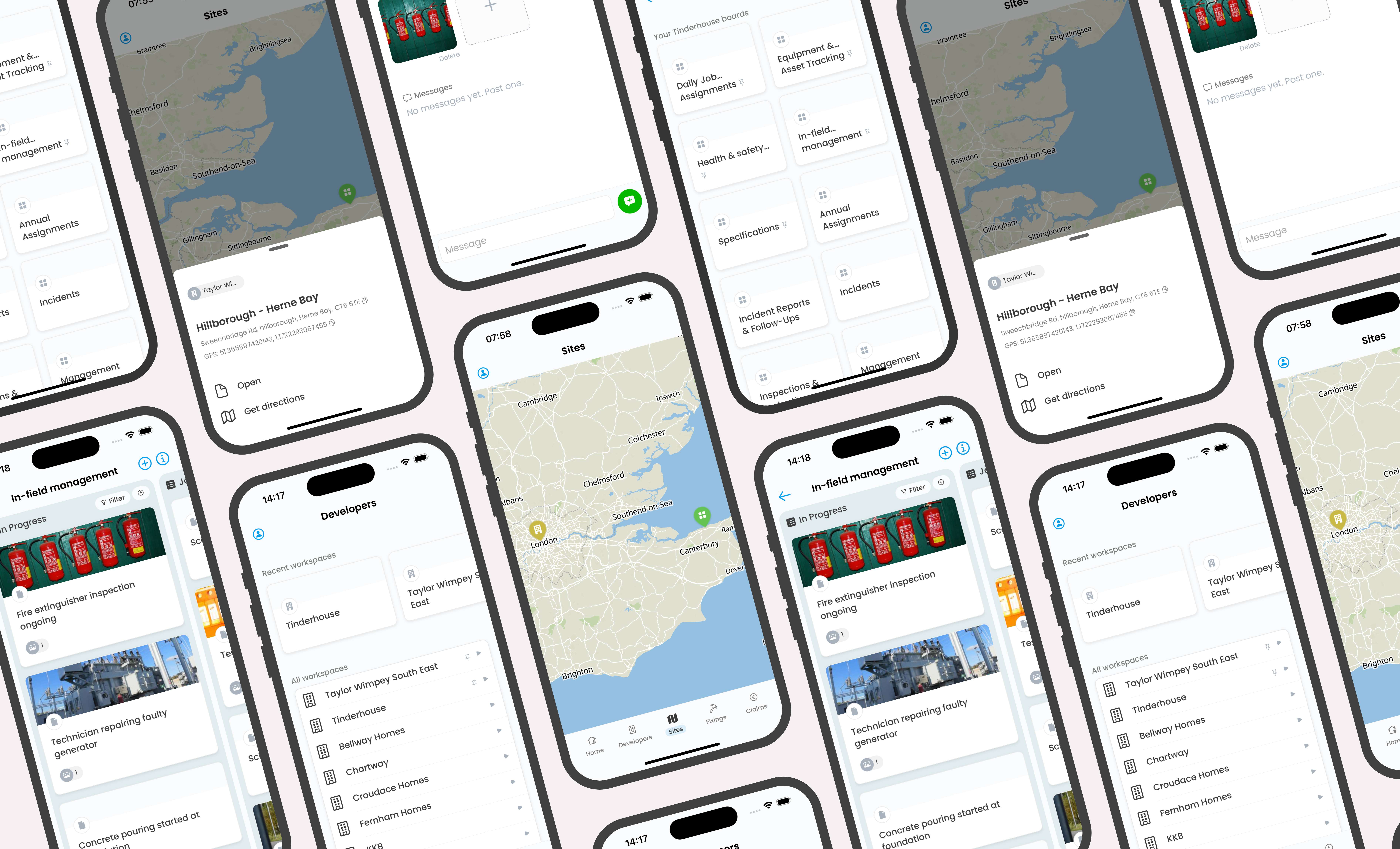
Workforce scheduling and job allocation The D&D Carpentry app was built to streamline communication and job allocation for construction sub-contractors across multiple sites. Getting the right people to the right site with the right information is a daily logistical challenge, and a well-built mobile app can replace the spreadsheets, WhatsApp groups, and phone calls that most firms still rely on.

Site reporting and compliance Building inspectors, site managers, and health and safety officers need to capture photos, complete checklists, and file reports from site. Offline capability is essential here: many construction sites have poor or no signal. Native apps handle offline data capture and background syncing far more reliably than web-based alternatives.

Asset and equipment tracking Knowing where your plant, tools, and materials are across multiple sites saves time and money. Mobile apps with barcode or QR scanning, GPS location tagging, and photo documentation can replace paper-based tracking systems. These features require hardware access that favours native or carefully chosen hybrid development.

Time and attendance logging Field workers clocking in and out across dispersed sites need a system that works on their phone, captures location data for verification, and feeds into payroll or project management systems. The app needs to be fast to use and difficult to get wrong, which means the UX has to be designed around gloved hands and five-second interactions.

Digital snagging and defect management Snagging lists on paper get lost. Digital snagging apps let site teams photograph defects, pin them to floor plans, assign them to trades, and track resolution. This is one of the clearest examples of where a focused MVP can deliver immediate value before expanding into broader project management.

Explore more →

Most SaaS products start as web applications, but the moment users expect to access the platform from a phone or tablet, the question of native versus hybrid versus PWA becomes unavoidable. The right answer depends on what the app actually needs to do on the device.

Mobile-first SaaS products Some SaaS platforms are inherently mobile. The Noted platform, built for field workforce management, was designed from the outset for use on phones and tablets in environments where a laptop is not practical. Starting with mobile as the primary interface, rather than treating it as an afterthought, produces a fundamentally different product.

Companion apps for web platforms Many SaaS businesses need a mobile app that extends their web product rather than replacing it. Push notifications, offline access to key data, and quick-capture features (photos, voice notes, location check-ins) are common requirements. A Progressive Web App can sometimes handle these needs at lower cost, but native development becomes necessary when deeper device integration is required.

Cross-platform efficiency For SaaS startups watching their burn rate, Flutter or other cross-platform frameworks can deliver iOS and Android apps from a single codebase without the quality compromises that earlier hybrid tools were known for. The trade-off is reduced access to platform-specific APIs, which matters for some products and not others.

Prototype and investor demos Early-stage SaaS companies often need a working mobile prototype to demonstrate their concept to investors or beta users. Our startup prototype development service is designed for exactly this scenario: building something real enough to test and raise funding with, without over-engineering features that may change after user feedback.

White-label and multi-tenant apps SaaS platforms that serve multiple clients sometimes need white-labelled mobile apps with customisable branding, permissions, and feature sets. The architecture decisions here affect everything from App Store submission strategy to how updates are deployed across tenants.

Hospitality and retail apps compete for attention on phones that already have dozens of apps installed. The bar for getting downloaded, kept, and actually used is high, which means the app needs to do something genuinely useful that the business's website cannot.

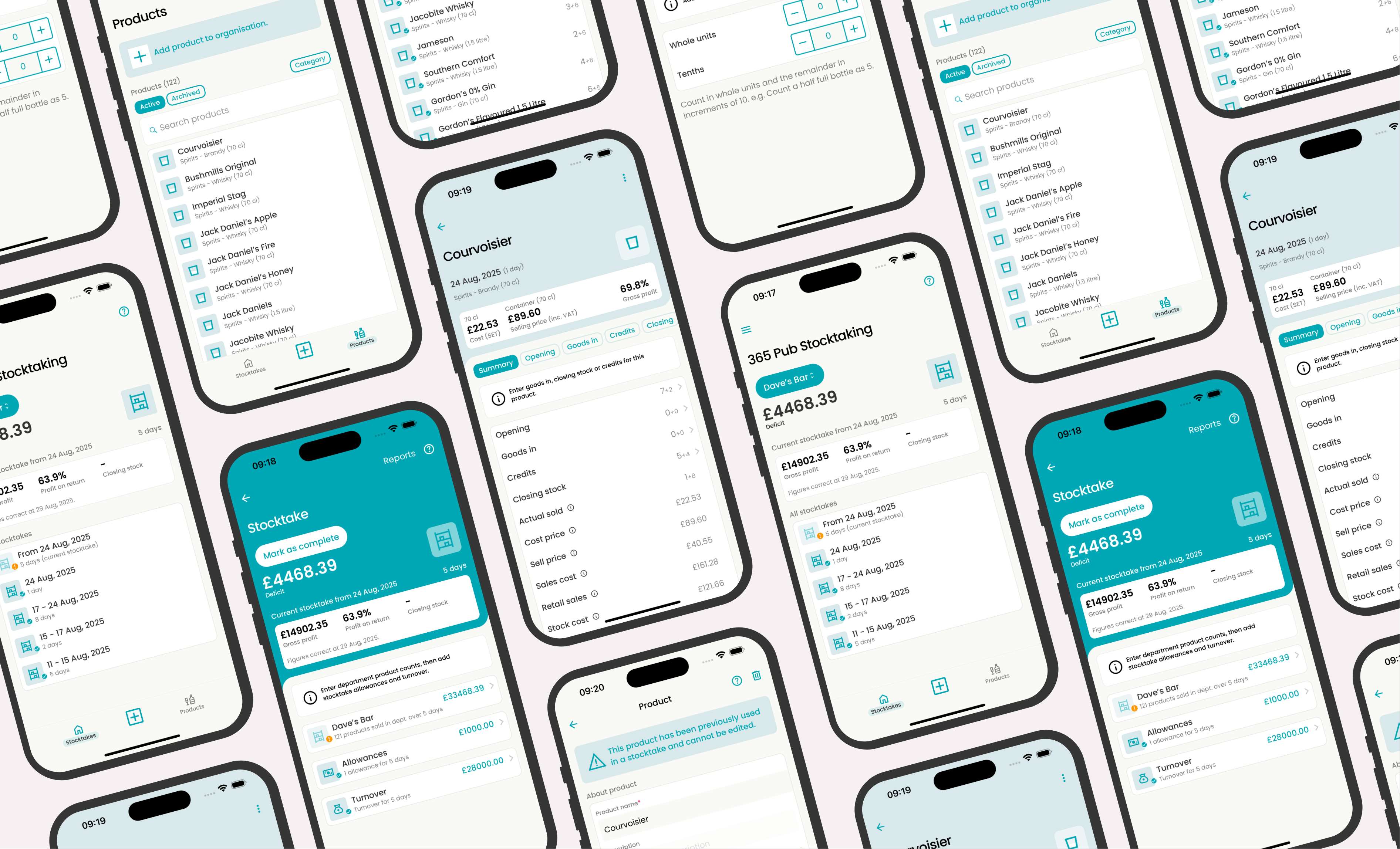
Stock and inventory management The 365 Pub Stocktaking app replaced costly external stocktaking services by putting professional-grade inventory tools directly into publicans' hands. Mobile inventory apps need to work in cellars and stockrooms with poor signal, scan barcodes reliably, and sync data when connectivity returns. These are native-first requirements.

Table booking and ordering Restaurants, pubs, and cafés increasingly use mobile apps for reservations, in-app ordering, and loyalty programmes. The challenge is building something that integrates with existing EPOS and kitchen display systems without requiring the venue to replace its entire tech stack. API-first development and careful technical discovery matter here.

Customer loyalty and engagement Loyalty apps that just stamp a digital card rarely justify the development cost. The ones that work tend to combine purchase history, personalised offers, and location-based triggers into something that feels useful rather than intrusive. Push notification strategy is critical here: too many and users disable them; too few and the app is forgotten.

Multi-site operations dashboards Retail and hospitality chains need to see performance data across locations. A mobile app that gives area managers live visibility of sales, stock levels, staffing, and customer feedback whilst travelling between sites can replace the end-of-day reports that most chains still rely on.

Explore more →

Public sector mobile apps serve populations with the widest possible range of devices, accessibility needs, and digital confidence. They also operate under procurement frameworks, accessibility legislation, and data governance requirements that commercial apps do not face.

Citizen-facing service apps Council services, planning consultations, and public health information all benefit from mobile access, but only when the app is genuinely easier to use than the website. Progressive Web Apps often make sense for public sector projects because they avoid the friction of App Store downloads whilst still offering offline access and push notifications.

Democratic engagement tools Tinderhouse built the Democratic Dashboard for the London School of Economics, a civic technology platform designed to make democratic data accessible. We also developed the Hansard Society's Statutory Instrument Tracker. Both projects required apps that present complex information clearly to non-specialist audiences.

Field worker and inspector apps Environmental health officers, planning inspectors, and social workers all need mobile tools for site visits. Offline data capture, photo documentation, GPS tagging, and form completion are standard requirements. The challenge is integrating these apps with legacy back-office systems that were not designed for mobile data input.

Accessibility as a baseline WCAG 2.2 AA compliance is a legal requirement for public sector digital services, not an optional enhancement. This affects every design and development decision, from colour contrast and font sizing to screen reader compatibility and touch target dimensions. Native apps offer stronger accessibility APIs than most hybrid frameworks, which matters when compliance is not negotiable.

Explore more →

Law firms, accountancies, and consultancies are not typically thought of as technology businesses, but their operations increasingly depend on mobile tools for client communication, document management, and business development.

Client portals and secure messaging Clients expect to be able to reach their solicitor, accountant, or adviser without playing phone tag. A mobile app with secure messaging, document sharing, and appointment booking gives clients the convenience they get from consumer apps whilst maintaining the confidentiality that professional services require.

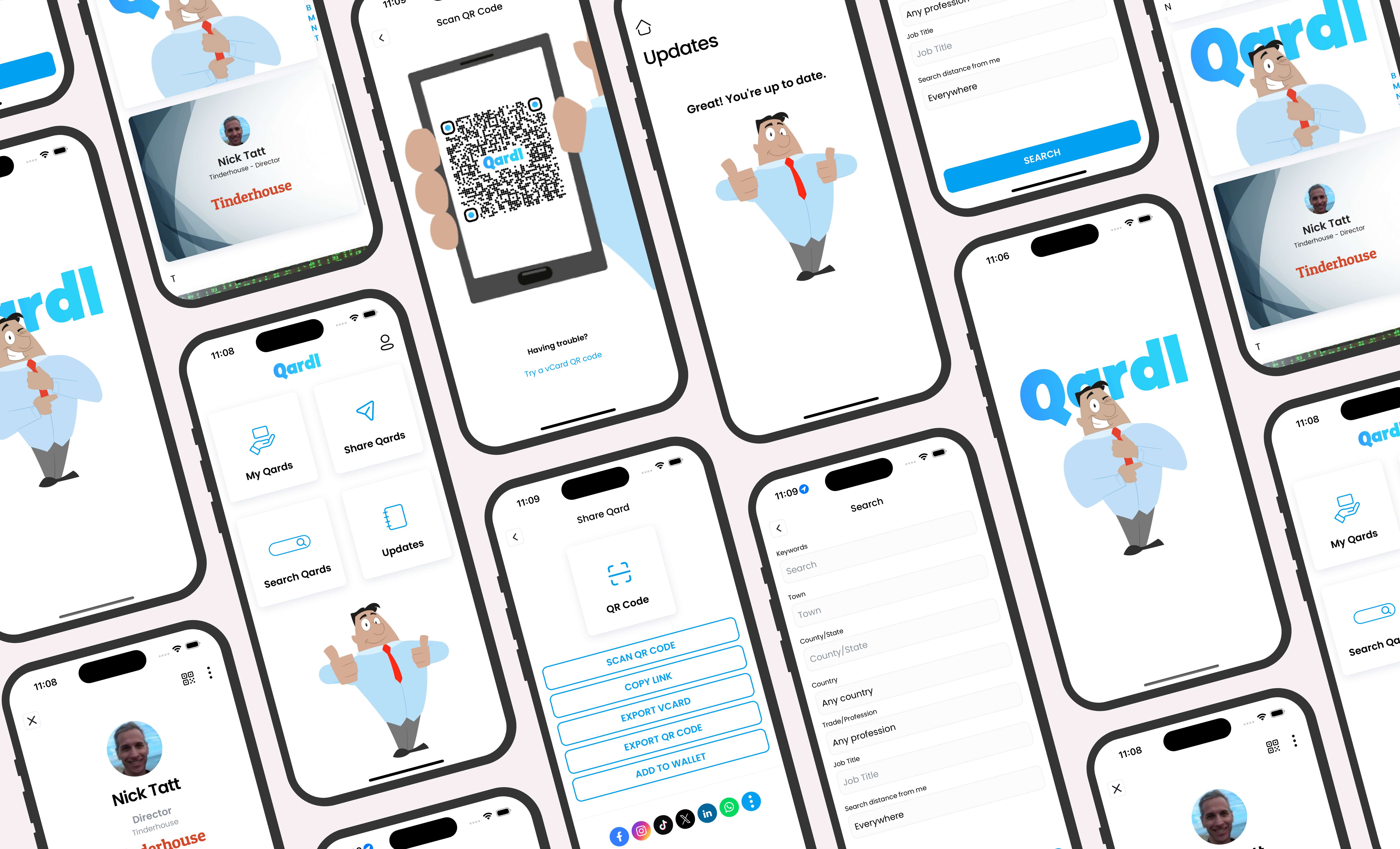
Digital business cards and networking The Qardl platform, which Tinderhouse built as a cross-platform mobile app, transforms how professionals share contact details at networking events. For firms where relationship-building is central to business development, tools like this replace the inefficiency of paper cards and manual CRM entry.

Time recording and billing Fee earners in professional services firms lose revenue every time they forget to log time against a matter. A mobile time-recording app that is fast to use, works offline, and syncs with the firm's practice management system captures billable time that would otherwise be written off.

Document review and approval Partners and senior staff frequently need to review and approve documents outside the office. A mobile app that renders documents correctly, supports annotation, and tracks approval workflows can speed up processes that otherwise stall until someone returns to their desk.

Explore more →

Logistics apps coordinate moving parts, literally. Drivers, dispatchers, warehouse staff, and customers all need different views of the same underlying data, delivered on different devices in different contexts.

Driver and courier apps Delivery drivers need route optimisation, proof-of-delivery capture (photo, signature, GPS), and real-time communication with dispatch. These apps run all day on a phone mounted to a dashboard, which means battery efficiency, screen readability in sunlight, and one-handed operation all matter. Native development handles background GPS and camera access more reliably than web-based alternatives.

Real-time fleet tracking Dispatchers and operations managers need to see where every vehicle is, which deliveries are complete, and where delays are building up. Mobile dashboards for this kind of real-time data need to handle frequent updates without draining the device or becoming unresponsive. The same GPS and real-time data engineering behind Map My Tracks applies directly to fleet management scenarios.

Customer delivery tracking End customers increasingly expect to see where their delivery is and when it will arrive. A well-built tracking interface, whether as a native app feature or a PWA, reduces inbound calls to customer service and builds trust. The technical challenge is presenting live location data smoothly without exposing the driver's exact position when they are not en route to that customer.

Warehouse and picking apps Warehouse staff using handheld devices or phones to pick, pack, and dispatch orders need apps that scan barcodes quickly, display pick lists clearly, and handle connectivity drops in large warehouse buildings. Rugged device compatibility and offline-first architecture are practical requirements, not nice-to-haves.

Charities operate with constrained budgets and high expectations. A mobile app has to justify its cost by reaching more supporters, improving service delivery, or reducing operational overhead in ways that a well-built website cannot.

Fundraising and donor engagement Mobile apps can support event-based fundraising, recurring donations, and challenge campaigns. The key is making the donation flow frictionless: every extra tap or form field reduces conversion. Apple Pay and Google Pay integration through native development removes the biggest barrier to impulse giving.

Volunteer coordination Charities that rely on volunteers need tools for shift scheduling, communication, and task management. A simple, well-designed mobile app can replace the email chains and shared spreadsheets that most volunteer coordinators still use. An MVP approach works well here, starting with scheduling and messaging before expanding.

Service user apps Organisations like Pilgrims Hospices, for whom Tinderhouse has delivered digital projects, often need to provide information and support to service users and their families. Accessibility and simplicity are paramount; the people using these apps are often doing so during difficult times and should never have to struggle with the interface.

Campaign and awareness tools Advocacy campaigns, petition platforms, and awareness-raising apps can extend a charity's reach beyond its existing supporter base. Progressive Web Apps are often the right choice here because they eliminate the download barrier, letting someone engage with a campaign directly from a social media link without visiting the App Store first.

Frequently asked questions

Everything you need to know about working with Tinderhouse, from costs and timelines to our process and expertise.

The most efficient path is via an MVP app development cycle. Following our proven technical discovery phase, we focus on engineering the core 'must-have' features, allowing you to launch, gather user data, and scale your iOS or Android app effectively.

The choice depends on your budget and functional requirements. Native apps offer the best performance and deepest hardware integration (like Bluetooth or complex GPS). Hybrid apps allow you to launch on both iOS and Android from a single codebase, reducing initial costs. PWAs are web-based solutions that offer app-like functionality without requiring a download from the App Store. We help you choose the right path during our technical discovery phase.

We offer dedicated services for both platforms. We build iOS apps using Swift and SwiftUI, and Android apps using Kotlin. This "platform-first" approach ensures that your app feels intuitive to users on their respective devices and remains compatible with the latest OS updates from Apple and Google.

An MVP (Minimum Viable Product) is a version of your app with just enough features to satisfy early customers and provide feedback for future development. Starting with an MVP is the smartest way for startups to minimise risk, reduce time-to-market, and ensure that the final product is built based on real-world user data.

Yes. As the mobile ecosystem expands, we specialize in Wearable App Development for the Apple Watch and Android Wear. Whether it’s a fitness tracker, a health monitor, or a remote control for industrial hardware, we ensure your app performs seamlessly on smaller screens and integrated devices.

Every project we launch comes with a 90-day post-launch warranty. At Tinderhouse, we believe execution doesn't end at 'Go-Live.' For the first three months after launch, our UK-based team handles any technical issues, bug fixes, or performance refinements within the original project budget. This ensures your software or AI system is fully stable in a real-world environment before transitioning to long-term support, protecting your investment and ensuring a seamless experience for your users.

We're proud to have worked with...

Team Sky: Elite Sports Technology Partner Willis re Sky Kent County Council Medway Council London School of Economics: Public Sector Research Systems NHS: Healthcare Digital Transformation Partner Cisco Systems: Enterprise Infrastructure Software Partner The Telegraph: National Election Platform Partner

Tinderhouse is ranked as one of the UK's top 50 mobile app development companies.

TEAM SKY
Tech partner
2010-2015
MAP MY TRACKS
#1 App
App Store (Fitness)
MAP MY TRACKS
Featured
App Store
BABY LED WEANING COOKBOOK
#1 App
App Store (Lifestyle)